


Business Sectors
Business Sectors
Events
Contents

COP31 coalition targets major expansion of electric shipping by 2035
A new maritime initiative launched at the UN’s annual climate conference aims to accelerate battery-powered shipping and shore power, targeting 20% electrification of international shipping by 2035


A coalition of more than 30 maritime organisations have joined to push for international shipping to use more electrification in its energy consumption.
The goal is to bring elecricity’s share of the energy mix in shipping to at least 20% by 2035.
Achieving the target would mean shipping would need to add two exajoules of annual electricity capacity by 2035, which equates to roughly six years of average annual electricity consumption in the UK.
The target applies specifically to international shipping’s final energy demand, including electricity used directly by vessels and supplied to ships at berth. It excludes domestic shipping, port and terminal operations, landside freight and electricity used to produce renewable fuels.
The initiative forms part of the wider COP31 ambition to increase electricity’s share of global final energy consumption from just over 20% to 35% by 2035.
Called the Maritime Electrification Breakthrough Goal, the initiative backs the adoption of battery-powered vessels, shore power and electrified port operations in shipping, while aligning investment, infrastructure development and government policy with the shipping industry’s longer-term decarbonisation objectives.
The coalition’s supporting statement identifies three principal pathways for maritime electrification: expanding onshore power supply (OPS) at ports, increasing the number of battery-electric and hybrid vessels, and electrifying cargo-handling equipment and other port operations.
The statement identifies shorter international voyages as a particularly promising area for further deployment, while listing charging infrastructure, maintenance requirements and local electricity capacity among the constraints.
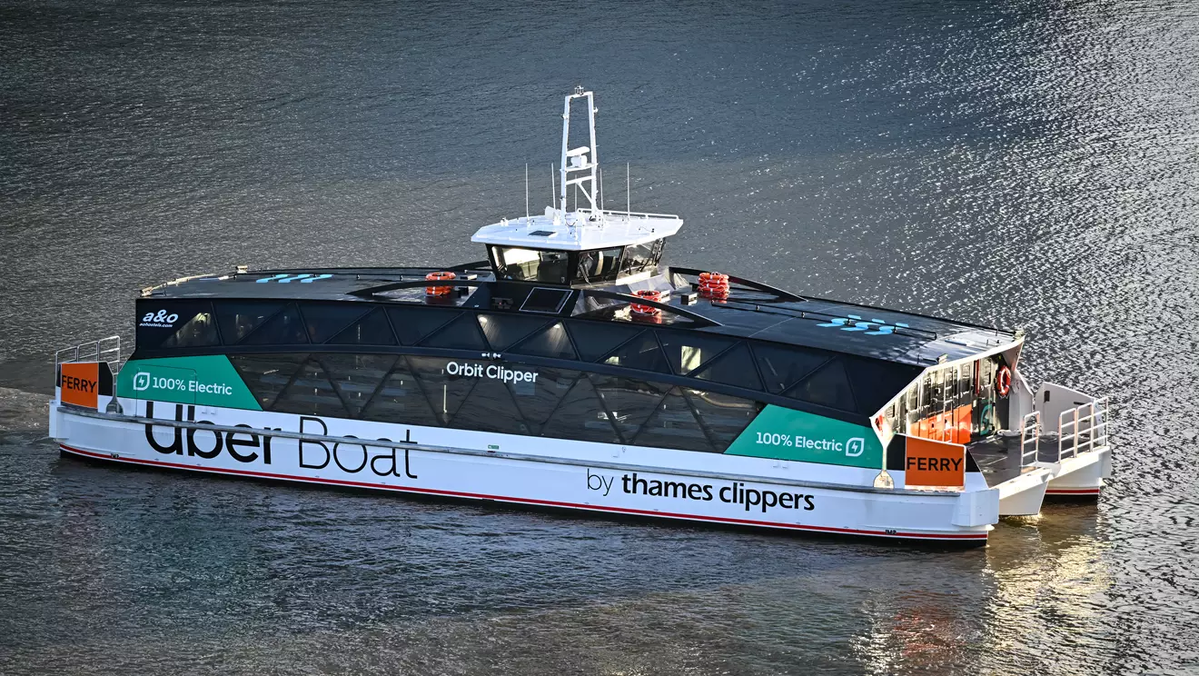
Shore power also offers significant potential to electrify shipping’s energy mix, according to the coalition. OPS is currently available at only about 3% of cruise ship terminals, though more than 1,600 battery-powered vessels, including fully electric and hybrid ships, are already operating globally.
Deployment of shore power technology is more established at some container and bulker terminals in North America, Europe and China. According to the report, more than 81% of berths across 21 major ports in China are equipped with shore power capabilities. The report also estimates that between 100,000 and 120,000 container-handling equipment units need to be decarbonised.
The initiative was launched by the Environmental Defense Fund and RMI, with backing from more than 30 organisations, including the Port of Long Beach, Zero Emission Maritime Buyers Alliance (ZEMBA), Maritime Battery Forum, European Onshore Power Supply Association (EOPSA) and World Resources Institute.
The coalition will share technical knowledge, support pilot projects, promote common standards, develop workforce skills and work with financial institutions to improve access to capital. Progress towards the 2035 target will be reviewed annually.
It is calling on governments to support stronger climate measures at the International Maritime Organization (IMO) in 2026, consistent with its 2023 greenhouse gas strategy, and include maritime electrification in their national climate commitments.
High upfront costs, uncertain electricity demand, price volatility and infrastructure development timelines remain significant barriers. The coalition is calling for policy incentives, public finance, guarantees and partnerships to reduce investment risks.
It says electrification could cut greenhouse gas emissions by up to 98%, depending on the electricity source, while reducing particulate matter, nitrogen oxides and sulphur oxides. It recognises that long-haul shipping will continue to require liquid fuels, including renewable alternatives such as green hydrogen and ammonia, positioning electrification as a complementary route towards the IMO’s 2050 net-zero ambition.





Related to this Story


Events

Maritime Regulations Webinar Week
 16 Dec 2025
 GMT - ONLINE

Floating energy: successfully unlocking stranded gas using FLNGs and FSRUs
24 Feb 2026GMT - ONLINE
© 2026 Riviera Maritime Media Ltd.


