


Business Sectors
Events

Floating energy: successfully unlocking stranded gas using FLNGs and FSRUs
 24 Feb 2026
 GMT - ONLINE
Contents
Register to read more articles.
Douglas Mawson: the end of Infinity, and beyond
As the last of the Infinity cruise ships is delivered, SunStone’s chief executive reveals how they will be developed and inform the cruise ship owner’s new class


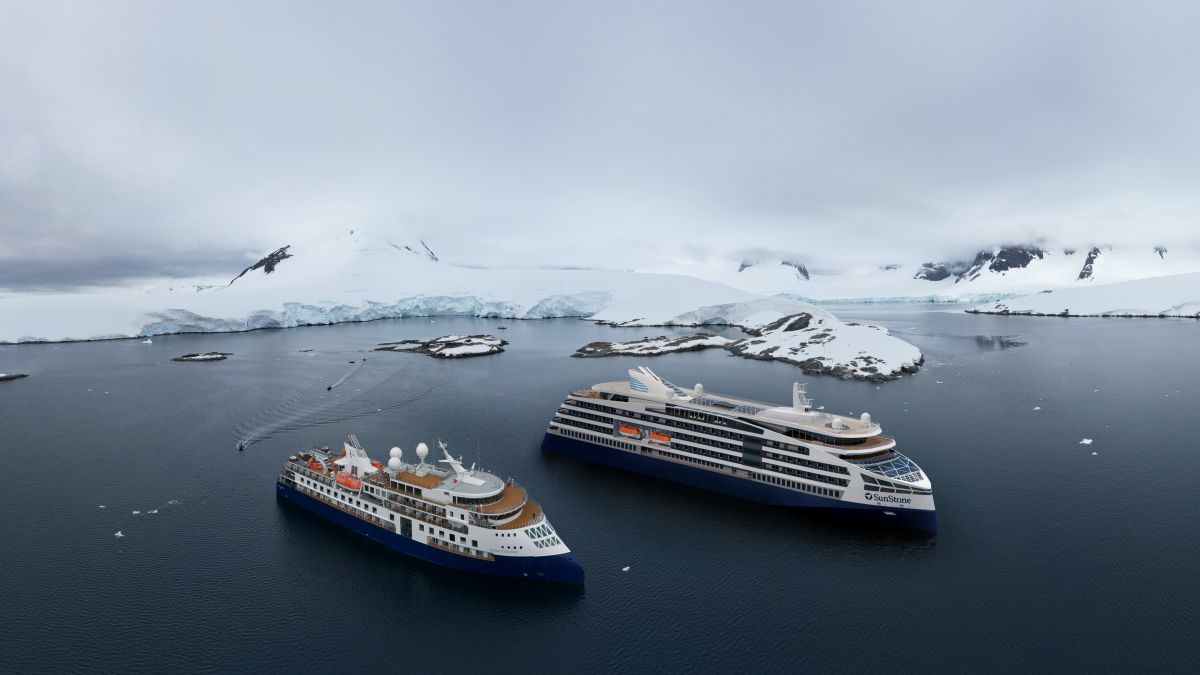
The delivery of Douglas Mawson marks the end of the current Infinity class. But SunStone Maritime Group is planning to add new vessels to this line of ships and introduce its new Boundless class.
Lessons learned and technology used within the first Infinity vessels will be taken forward in both its new classes of cruise ships.
SunStone chief executive Carsten Lund says, “The Boundless will be developed from the success of the Infinity with the same approach to comfort, safety and efficiency, but with a slightly larger footprint of 125 m as opposed to the 104 m of the Infinity vessels.”
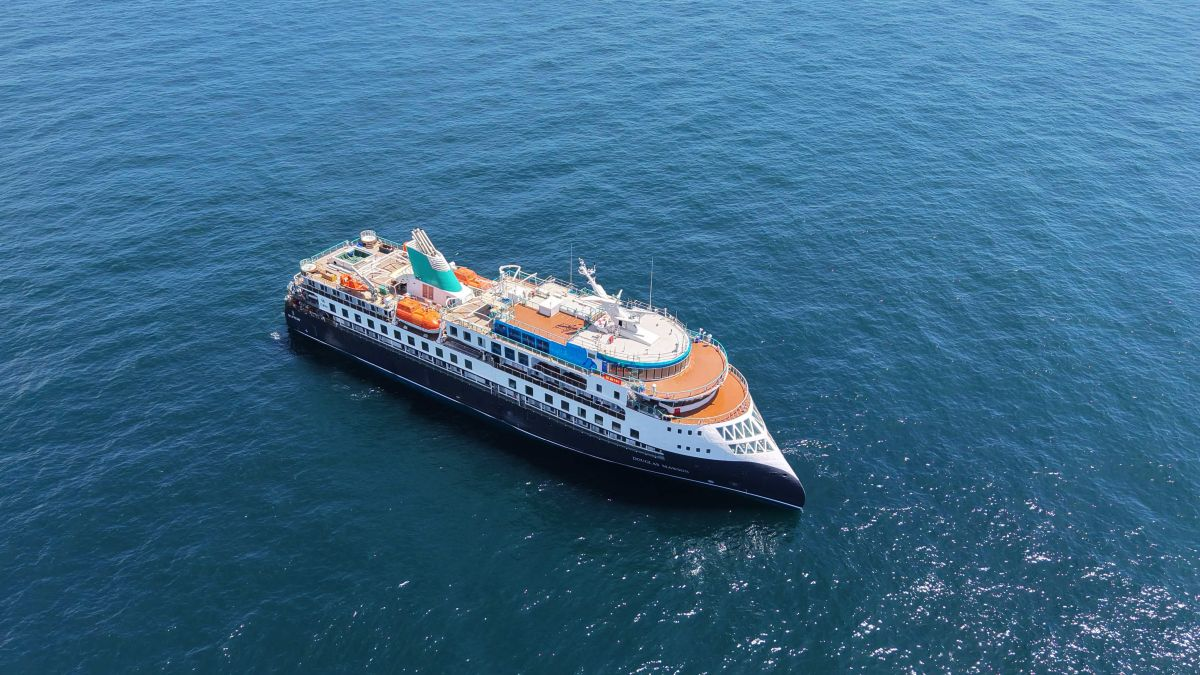
Douglas Mawson was delivered to Aurora Expeditions on 19 September 2025, making it the third Infinity ship to go to the cruise line operator. There are some changes compared with the previous two Aurora cruise vessels. It has a square pool, which has changed the design of the pool deck and there are more seating areas on the outside decks.
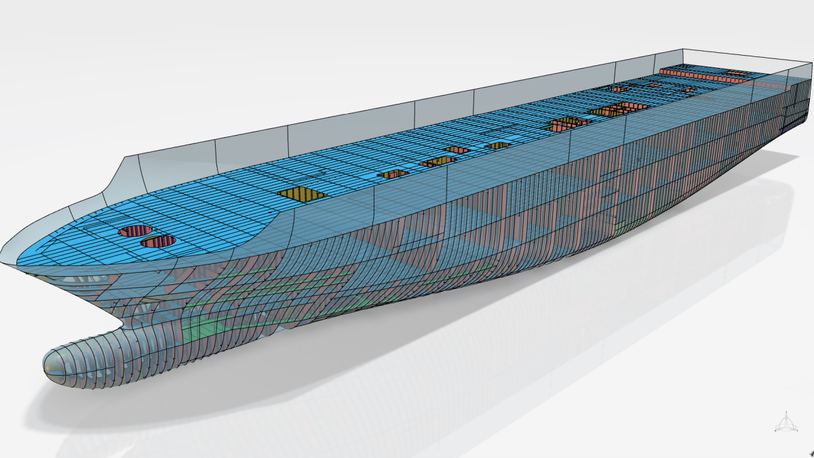
A technology used on Infinity that stands out is the X-Bow by Ulstein Design & Solutions. Mr Lund says, “The inverted bow gives several advantages including a more comfortable cruise experience for passengers. You don’t have the same slamming and vibration as you would with a conventional bow, as you ’cut’ through the water in a different way.”
“The X-Bow has proven to be a valued feature on the Infinity vessels, not only for comfort. It also provides great fuel efficiency because we use less energy moving through the water, and it increases areas accessible to passengers.”
The company is planning an inverted bow on the Boundless, developed by OSK Design, which is designing this fleet of ships.
The zero-speed stabilisers and virtual anchoring found on Douglas Mawson and the rest of the Infinity class will also be deployed on the Boundless.
The Infinity class boasts several firsts, from the X-Bow to being the first international cruise ships to be built in a Chinese shipyard (CMHI). Speaking about the experience, Mr Lund says, “There has been a natural learning curve as the series has progressed, both on our side and the yard. We are extremely pleased with all seven ships, both in relation to the build quality and the overall result.”
“We approached the project in a different way than usual, as we were the first to do this kind of collaboration.”
This involved a very close partnership between Ulstein as the naval architects, Tomas Tillberg Design and Makinen as interior designers and outfitters and then SunStone, all working with the Chinese shipyard.
“While the main suppliers had their own supervision teams, SunStone, at the peak of construction, had a supervision team of 30 people working in the yard.”
In terms of the fuel and propulsion used by its new Boundless class, SunStone is aware of making the cruise ships ready for the future.
Mr Lund says, “With the very remote areas in which we work, we have limitations as to what kind of fuels we can use. But we want to continue the positive tone that has been set by the Infinity class when it comes to the more environmentally responsible choices we can use within the limitations of expedition cruising.”
He says SunStone plans to use the same baseline as Infinity where diesel generators and electric propulsion are used. The ships will be methanol prepared – built to be converted easily into methanol once it is available. Batteries are also part of the discussion.
Mr Lund says, “It’s the best we can do for a future we don’t know. The ships need to last around 40 years on average, and we don’t know what the world will look like in 10 years when it comes to technology. We choose the equipment we trust and rely on today, because we need to have reliability when we operate in these remote areas, but at the same time, we include additional initiatives to cater to the ever-developing environmental requirements and we want to be in the forefront on that.”
“The batteries are also something we’re looking into because they could add another element of reducing emissions.”
Meanwhile, Infinity class has also enjoyed some ’futureproofing’. Sylvia Earle trialled biofuel this summer, bunkering in Barcelona.
Mr Lund comments, “This trial was an important step for us, and the result has shown all the Infinity vessels are able to run on biofuel. We still have the challenge of availability when it comes to the new fuel types. But as the infrastructure improves and availability improves, we know the Infinity vessel can run on biofuel when the operator wants to and has it available.”
Mr Lund says the company is in discussions with shipyards for Boundless and concurrently working on extending its Infinity class line with more ships. Mr Lund says, “The first series of Infinity vessels has been very well received, and we see a benefit in further developing this class of vessels.”
He adds, “We are widening our offering by continuing the development of the Boundless while also planning to offer more Infinity vessels. We see the expedition industry growing. The way in which the expedition vessels are being utilised is expanding as well. Expedition is not just about the polar regions, and although we believe the polar regions will continue to be popular, we also see expedition operators moving into the other areas like the Mediterranean and mainland Europe.”
Sign up for Riviera’s series of technical and operational webinars and conferences:
- Register to attend by visiting our events page.
- Watch recordings from all of our webinars in the webinar library.
Related to this Story
Events

Maritime Regulations Webinar Week
16 Dec 2025GMT - ONLINEFloating energy: successfully unlocking stranded gas using FLNGs and FSRUs
24 Feb 2026GMT - ONLINE
© 2024 Riviera Maritime Media Ltd.


