


Business Sectors
Business Sectors
Events
Contents

Register to read more articles.
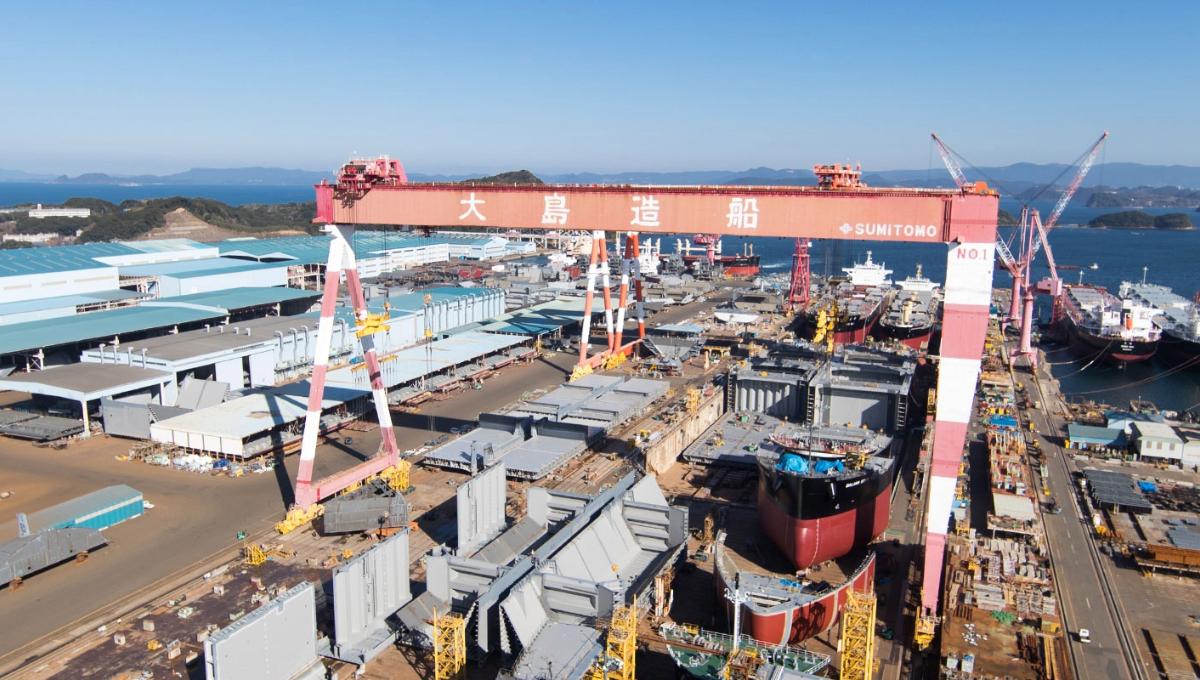
Dry bulk faces potential 'supply overhang' by end-2026
Continued fleet expansion in the dry bulk sector, combined with persistently low demolition activity, could lead to an oversupplied market by 2026, analysts warn


According to Signal Ocean’s latest weekly market monitor, the dry bulk fleet is projected to grow by nearly 500 vessels by the end of 2026. “If scrapping activity remains limited and demand growth does not match capacity additions, there is potential for a supply overhang,” said Signal Ocean market analyst Maria Bertzeletou.
Signal Ocean data shows between 2020 and 2024, the global dry bulk fleet expanded steadily, rising from 4,545 to 5,330 vessels – an annual growth rate of over 3%. “This growth was primarily supported by sustained newbuilding deliveries and relatively low levels of scrapping activity,” noted Ms Bertzeletou.
Newbuilding activity rebounded after early pandemic disruptions, with 2020 deliveries climbing to 230 vessels. Deliveries peaked in 2024, reaching 238 units. Looking ahead, Signal Ocean projects the fleet will grow to 5,603 vessels in 2025 and to 5,818 by 2026.
Scrapping activity remains subdued
At the same time, scrapping volumes have remained limited, ranging between just four and 13 vessels per year. A recent BIMCO report revealed dry bulk ship recycling hit a 17-year low in the first four months of 2025, as older ships remain profitable in the current trading environment.
Data from Howe Robinson Partners indicates vessels continue operating well beyond the 20-year mark. Between 2013 and 2023, the average scrapping age stood at 22 years for Capesize vessels, 24–26 years for Panamaxes and Supramaxes, and close to 30 years for Handysize bulkers.
Newbuilding loses momentum
Meanwhile, offering a more encouraging signal on the supply side of the dry bulk equation, newbuilding momentum has slowed in 2025. However, most of the current orders are scheduled for delivery from 2028 onward.
Signal Ocean attributes this to rising cost pressures and increasing policy uncertainty, particularly the impact of US port fees, which have discouraged US-linked shipowners from placing orders at Chinese yards. “Given China’s dominant role in the global shipbuilding industry, the tariffs have introduced new friction into the orderbook pipeline,” said Ms Bertzeletou.
She added some owners are now postponing orders or shifting interest toward non-Chinese shipyards – despite longer delivery times and generally higher costs.
Star Bulk Carriers, a US-listed Greek dry bulk owner, echoed this trend in its Q1 2025 earnings presentation. The company reported new contracting activity dropped sharply to 2.8M dwt in the first four months of the year, down from 20.0M dwt during the same period in 2024. It cited propulsion uncertainty, high construction costs and increased yard focus on other vessel types as key reasons for the slowdown.
Sign up for Riviera’s series of technical and operational webinars and conferences:
- Register to attend by visiting our events page.
- Watch recordings from all of our webinars in the webinar library.



Related to this Story
Events

Maritime Regulations Webinar Week
 16 Dec 2025
 GMT - ONLINE
Floating energy: successfully unlocking stranded gas using FLNGs and FSRUs
24 Feb 2026GMT - ONLINE
© 2026 Riviera Maritime Media Ltd.


