


Business Sectors
Events
Floating energy: successfully unlocking stranded gas using FLNGs and FSRUs
 24 Feb 2026
 GMT - ONLINE
Contents

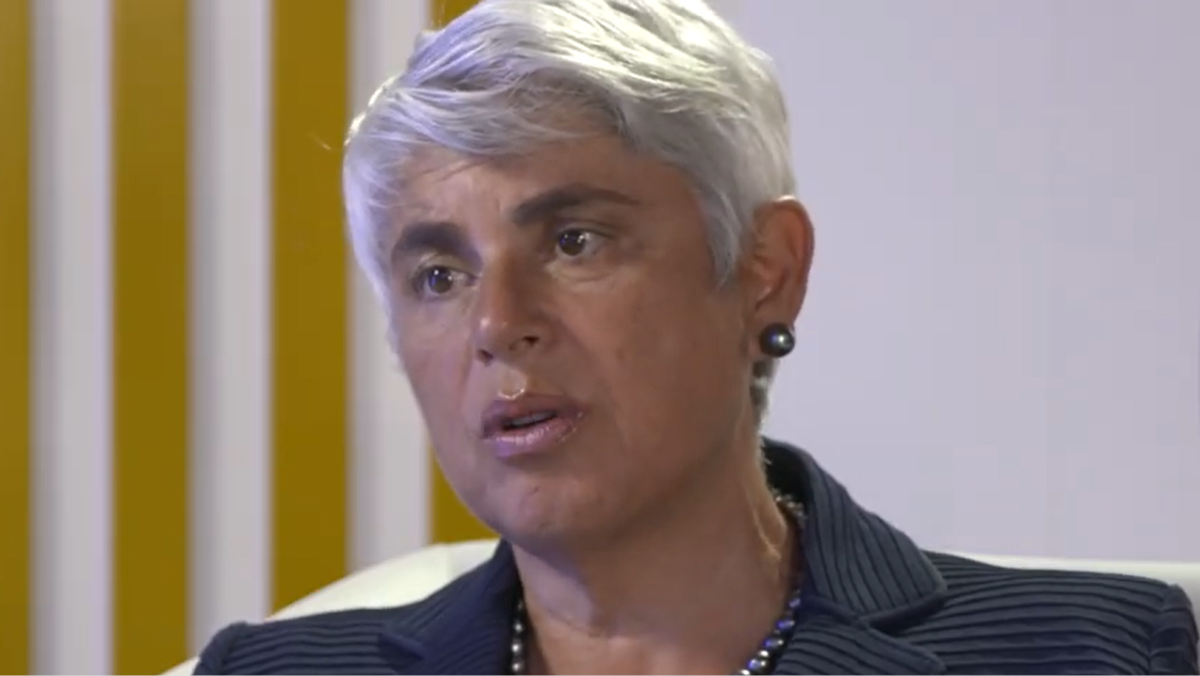
Frangou’s Navios boosts orderbook to US$1.9Bn with Capesize pair, sells mid-age VLCCs
Angeliki Frangou-led Navios Maritime Partners has joined a growing list of Greek shipowners returning to the Capesize bulk carrier newbuilding market, while simultaneously divesting two mid-aged VLCCs


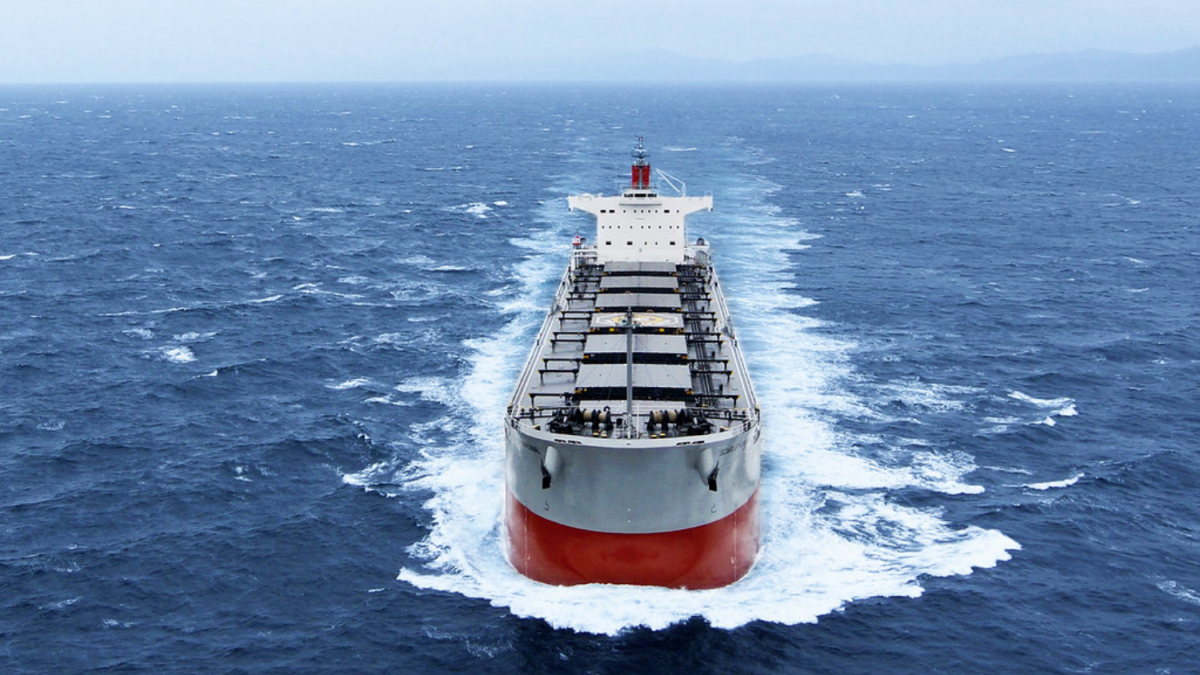
The US-listed owner disclosed in its Q4 earnings report that, in December, it agreed to acquire two Japanese-built, scrubber-fitted Capesize vessels under 12-year bareboat-in contracts. The vessels are scheduled for delivery through Q1 2029.
Navios holds purchase options beginning at the end of year four and extending through the charter period. Assuming the options are exercised at the end of the 12-year term, the bareboat agreements imply an aggregate purchase price of approximately US$134M.
According to the company’s earnings presentation, Navios is currently running a US$1.9Bn newbuilding programme comprising two bulk carriers, eight container vessels and 16 tankers.
Capesize contracting activity has gathered momentum among Greek owners in recent months, with Maran Dry, Capital Group and Seanergy Maritime among those placing orders.
At the same time, Navios has taken advantage of firm conditions in the VLCC secondhand market, agreeing to sell two vessels built in 2009 and 2011 for an aggregate gross price of around US$137M. The transactions are expected to close in Q2 2026.
Between 2025 and 2026, the company divested 14 vessels with an average age of 17.9 years, continuing its fleet renewal strategy.
In another notable development, Navios secured US$261M in contracted revenue through new long-term charter agreements covering 11 vessels across its container ship, tanker and dry bulk segments.
Including these contracts, the company’s contracted revenue now stands at US$3.8Bn through 2037.
’New world order’
Commenting on market dynamics, Navios chairwoman and chief executive Angeliki Frangou said a “new world order” has emerged, “with new trade agreements rising from the dust of decaying institutions.”
“Trade has become an instrument of national policy, as governments prioritise exports, industrial strategy and strategic control of supply chains, with national security considerations increasingly at the forefront of decision-making,” she said.
Ms Frangou also pointed to geopolitical tensions and conflicts reshaping trade flows, lengthening voyage distances and increasing costs and transit times.
“As political considerations grow in importance, trade routes are no longer determined solely by efficiency. In this changing environment, we believe our proven platform – combining a diversified fleet with disciplined risk management – positions us to continue delivering value across a wide range of market conditions,” she added.
Strong quarterly performance
Despite geopolitical uncertainty, Navios reported solid financial results.
Revenue increased to US$366M in Q4 2025, compared with US$333M in Q4 2024, while net income rose to US$117M from US$95M.
For the full year, revenue totalled US$1.3Bn in 2025, broadly flat compared with 2024, while net income declined to US$285M from US$367M.
The fleet achieved a combined time charter equivalent rate of US$25,567 in Q4 2025, up from US$23,205 a year earlier.
Navios owns and operates 67 bulk carriers, 51 container ships and 53 tankers, including vessels under construction.
Sign up for Riviera’s series of technical and operational webinars and conferences:
- Register to attend by visiting our events page.
- Watch recordings from all of our webinars in the webinar library.

Related to this Story

Events

Maritime Regulations Webinar Week
16 Dec 2025GMT - ONLINEFloating energy: successfully unlocking stranded gas using FLNGs and FSRUs
24 Feb 2026GMT - ONLINE
© 2024 Riviera Maritime Media Ltd.


