


Business Sectors
Business Sectors
Events
Contents

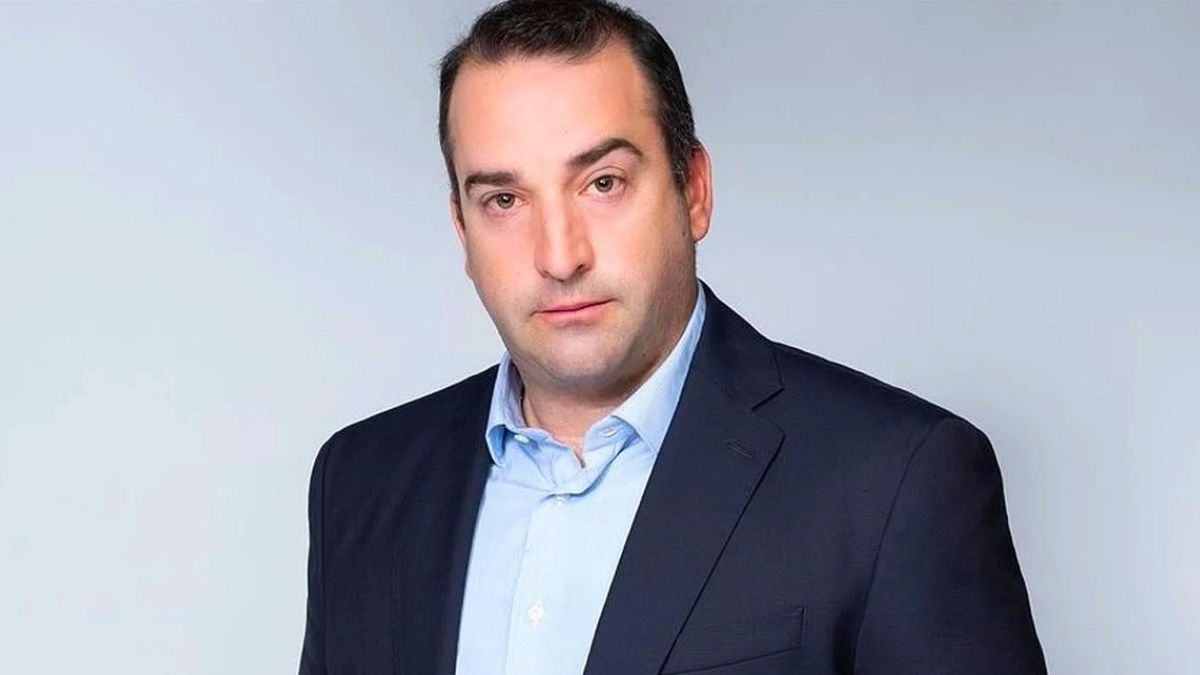
‘Huge impact’: Harry Vafias on tanker rates booming amid oil and gas supply shock
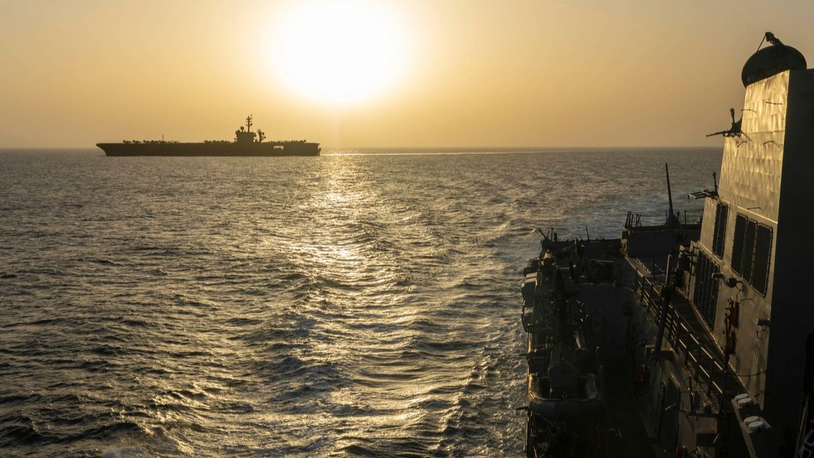
The dramatic escalation of the US-Israel confrontation with Iran is already having a significant impact on global shipping, with tanker rates surging sharply, according to a major Greek shipowner


Harry Vafias, active in the LPG carrier, tanker, and bulk carrier segments through US-listed entities StealthGas, Imperial Petroleum, and C3is Inc, as well as privately held companies Stealth Maritime and Brave Maritime, told Riviera that VLCC spot rates in the region are approaching US$500,000 per day, while Suezmax rates are nearing US$300,000 per day.
According to the Baltic Exchange, as of 2 March, VLCCs were earning US$424,000 per day on the spot market for voyages from the Middle East to China, an increase of more than US$200,000 since 27 February.
Similarly, average daily Suezmax earnings on the Middle East-Mediterranean route surged by nearly US$195,000, closing the day at above US$267,000
This comes amid a period of soaring tanker rates, driven by elevated Gulf exports, rising geopolitical risk premiums, and tightened supply in the market due to Sinokor’s aggressive expansion.
Mr Vafias described the situation as positive for shipping earnings – but detrimental for the global economy. “It’s good for shipping, but very bad for the world, as costs will rise significantly,” he said.
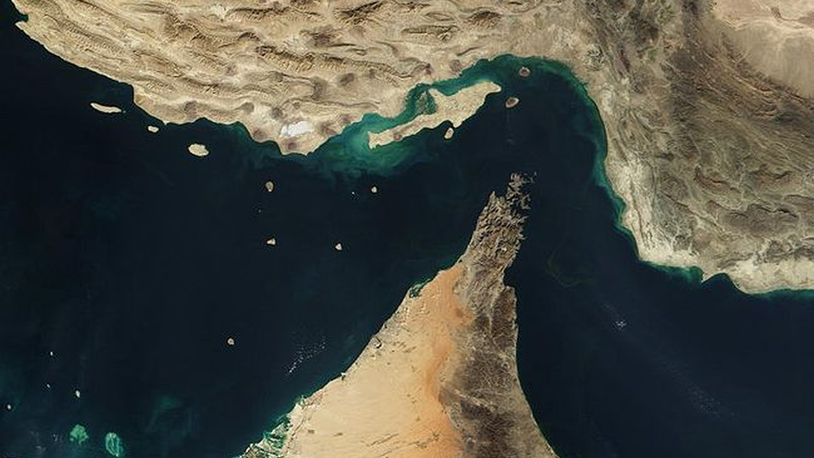
He added that transits through the region are now contingent on securing insurance cover – assuming insurers are willing to underwrite voyages amid cancellations by several P&I clubs. Analysts have told Riviera that from 28 February, 15:30 UTC onwards, most vessels in the area either performed U-turns, began idling, or diverted to alternative routes outside the Strait of Hormuz.
Mr Vafias also emphasised the difficulty of replacing Middle Eastern oil and gas supplies should the disruption persist. “There is no alternative to these oil and gas exporters. Who will replace the Middle East supply? It is not possible,” he said.
The Persian Gulf accounts for over one-third of global crude oil exports, while, according to Clarksons, around 20% of global oil supply and 38% of seaborne crude oil trade passes through the Strait of Hormuz.
Looking ahead, Mr Vafias suggested that if disruptions continue in the coming period, vessels may increasingly reroute around Africa during the summer months, while the Arctic route could become a seasonal option in winter.
Analysts have previously argued that the conflict is bullish for the tanker market, pointing to evolving trade flows.
Greek shipping interests are particularly exposed to developments in the region. Greek Minister of Maritime Affairs and Insular Policy Vasilis Kikilias said on the morning of 2 March that approximately 325 vessels linked to Greece – though sailing under foreign flags – are in the wider area, while 10 Greek-flagged vessels remain in the Persian Gulf.
Riviera’s Tankers 2030 Conference will be held in Singapore, 19-20 November 2026. Use this link for more information and to register for the event.


Related to this Story

Events

Maritime Regulations Webinar Week
 16 Dec 2025
 GMT - ONLINE
Floating energy: successfully unlocking stranded gas using FLNGs and FSRUs
24 Feb 2026GMT - ONLINE
© 2026 Riviera Maritime Media Ltd.


