


Business Sectors
Business Sectors
Events
Contents

Iran agrees military-controlled, two-week 'safe passage through the Strait of Hormuz'
Two-week ceasefire deal announced by US President Donald Trump who says US is ’very far along’ on ’longterm peace with Iran’, while attacks reportedly continue


The leaders of Pakistan, Iran, the US and Israel have all confirmed an immediate ceasefire predicated on an end to attacks by both sides and Iran reopening the Strait of Hormuz.
Versions of the deal presented on public communications channels by the leaders differ slightly.
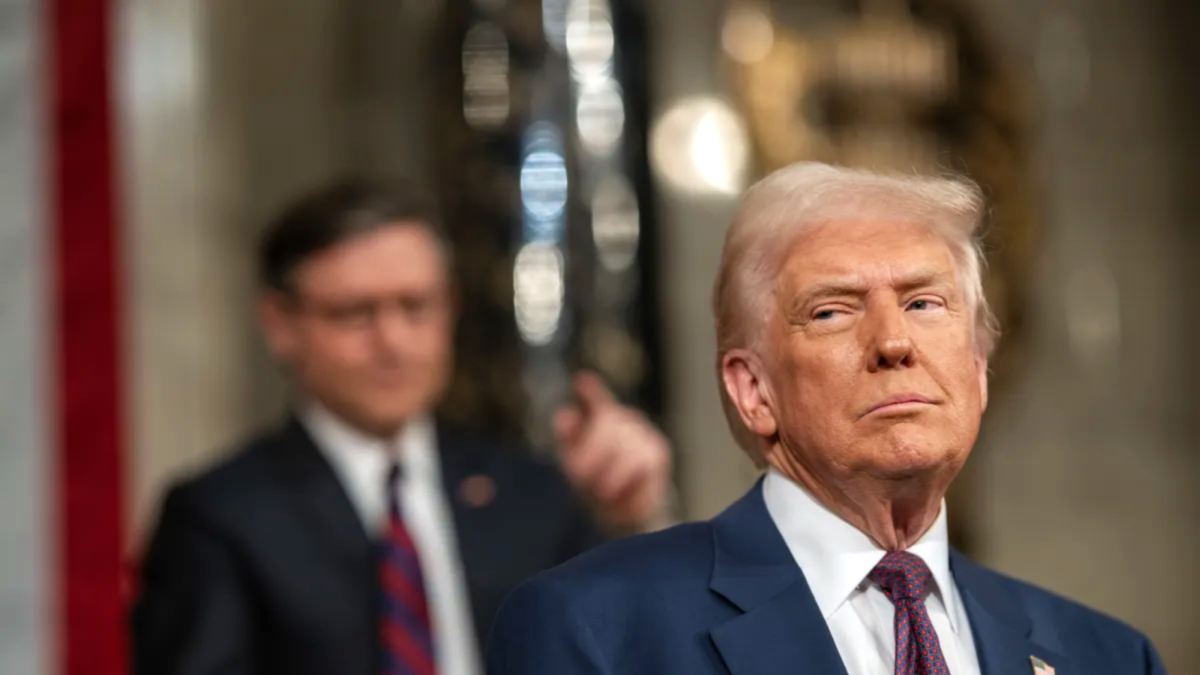
US President Donald Trump announced the détente first on the Truth Social website he owns, saying he had agreed to "suspend the bombing and attack of Iran for a period of two weeks," in a deal that was "subject to the Islamic Republic of Iran agreeing to the COMPLETE, IMMEDIATE and SAFE OPENING of the Strait of Hormuz".
President Trump also posted a statement signed by Iranian Minister of Foreign Affairs Seyed Abbas Araghchi in which the official specified that "safe passage through the Strait of Hormuz will be possible via coordination with Iran’s Armed Forces and with due consideration of technical limitations," without elaborating on what the military coordination would require or what the technical limitations were.
Pakistan’s Prime Minister Shehbaz Sharif took to X (formerly Twitter) to announce that Iran and the US "along with their allies, have agreed to an immediate ceasefire effective everywhere including Lebanon and elsewhere, EFFECTIVE IMMEDIATELY".
However, Israeli Prime Minister Benjamin Netanyahu, also writing on X, said "the two-weeks ceasefire does not include Lebanon".
"Israel supports President Trump’s decision to suspend strikes against Iran for two weeks subject to Iran immediately opening the straits and stopping all attacks on the US, Israel and countries in the region," Mr Netanyahu wrote.
The ceasefire deal was, according to both the US and Iran, agreed on the basis of continuing negotiations, with Pakistan’s Prime Minister announcing on X that he had invited delegations from the US and Iran to Islamabad on Friday, 10 April, "to further negotiate for a conclusive agreement to settle all disputes".
Donald Trump called a 10-point plan from Iran ’workable’, and Foreign Minister Abbas cited the US’ 15-point proposal and Trump’s ’acceptance of the general framework of Iran’s 10-point proposal as a basis for negotiations’.
Iran’s 10-point plan, published by Iranian state-controlled media outlets, includes lifting of sanctions, Iran’s continued control, via a ’safe-transit protocol’, of the Strait of Hormuz, US military withdrawal from the Middle East and a binding United Nations Security Council resolution, among other things.
A version of the plan released in Farsi included a condition that Iran be allowed to continue to enrich nuclear material, but that condition was, according to outlets including The Guardian, not present in the English-language version.
Attacks have continued and have been widely reported, with UK-based maritime security firm Vanguard Tech saying missile launches have been detected towards Israel and air defence activity reported around the region, "including alerts and interceptions in Kuwait, Bahrain, Saudi Arabia and the UAE".
Vanguard advised shipowners to assess all transits on a case-by-case basis and urged caution.
"All vessels are advised to remain aware of the extreme navigational hazards that could arise from attempts to mass exodus from the Strait," Vanguard said.
Sign up for Riviera’s series of technical and operational webinars and conferences:
- Register to attend by visiting our events page.
- Watch recordings from all of our webinars in the webinar library.




Related to this Story



Events

Maritime Regulations Webinar Week
 16 Dec 2025
 GMT - ONLINE
Floating energy: successfully unlocking stranded gas using FLNGs and FSRUs
24 Feb 2026GMT - ONLINE
© 2026 Riviera Maritime Media Ltd.


