


Business Sectors
Business Sectors
Events
Contents
Register to read more articles.
LNG carrier orderbook slows with final QatarEnergy orders
The surge in LNG carrier newbuild orders and subsequent fleet deliveries has been driven by Qatar’s massive natural gas project, but the ordering is now slowing


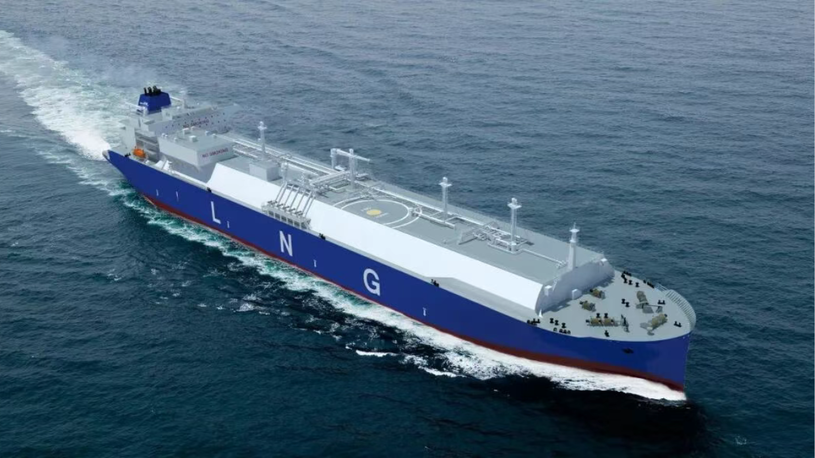
The global LNG carrier orderbook continues to grow as shipowners and energy companies position themselves to meet rising demand for gas transport. The latest developments in newbuild orders highlight a strong emphasis on efficiency, environmental compliance, and alternative fuel technology, all of which are shaping the future fleet.
Towards the end of 2024, Taiwanese shipowner U-Ming made its foray into the LNG sector with a joint venture with K Line, marking a strategic expansion beyond its traditional bulk carrier business. It ordered a 174,000-m³ LNG carrier from Samsung Heavy Industries. Delivery is reported to be in 2026, which is relatively short for what is becoming a crowded orderbook.
Decarbonisation is the key, and newbuild orders in 2024 for all types of vessels surged to the highest level in over 15 years, according to Clarksons Research, with shipowners investing in 93 alternative-fuel-capable LNG carriers. Overall, some 70% of alternative-fuelled tonnage (excluding LNG carriers) featured LNG dual-fuel capability, up from 43% the previous year.
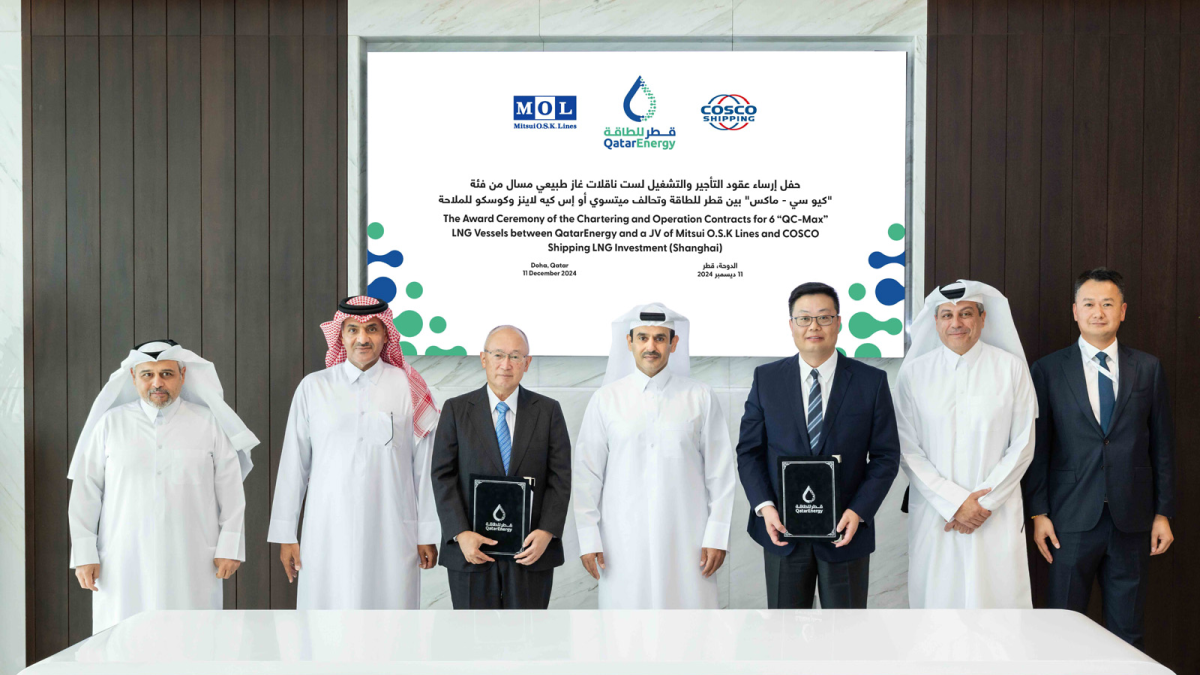
As 2024 drew to a close, QatarEnergy revealed it has played its last role (for now) in driving LNG newbuild activity. It finalised its massive 128-ship fleet expansion programme with agreements for six Q-Flex LNG carriers. These final vessels, each with a capacity of 271,000-m³, will be built by Hudong-Zhonghua Shipbuilding and delivered between 2028 and 2031.
This historic programme supports Qatar’s North Field expansion, which will increase the country’s LNG production capacity from 77M tonnes per annum to 142M tonnes per annum by 2030. The completion of this programme cements QatarEnergy’s position as a key driver of LNG carrier demand, with a focus on fleet replacement and future-proofing operations.
But that was also to be the role of Russia, which has been developing its LNG export facilities in the high Arctic. This ambition has been set back by its invasion of Ukraine and the sanctions imposed by the West. Despite sanctions, Russia was able to launch Aleksey Kosygin, the country’s first 172,600-m3 Arc7 ice-class carrier, built at the Zvezda shipyard, in January 2025.
The LNG carrier market is set to see a major influx of new tonnage in 2025, with at least 30 LNG carriers scheduled for delivery in the first quarter; January will see six vessels delivered, including four from Samsung Heavy Industries and one each from Zvezda and Hyundai. The Sinokor and NYK Line fleets will grow, with these additions featuring either XDF or DFDE propulsion systems to enhance fuel efficiency.
Then the pace picks up, with 12 LNG carriers entering service in February, including a 12,500 CBM small-scale bunkering vessel for Scale Gas. QatarEnergy, MOL, and K3 Consortium are among the key owners receiving deliveries, reflecting increased investment in LNG shipping from major global energy players.
March deliveries will continue at pace, with another 12 ships joining the fleet. This includes three 4,500 CBM small-scale LNG bunkering vessels for Nordic Hamburg, reflecting growing interest in small-scale LNG distribution. Additionally, Dynagas will take delivery of a 200,000 CBM LNG carrier, one of the largest in the new fleet, while BW LNG’s Venture Acadia will also enter service, bolstering capacity in the large LNG carrier segment.
Related to this Story
Events

Maritime Regulations Webinar Week
 16 Dec 2025
 GMT - ONLINE
Floating energy: successfully unlocking stranded gas using FLNGs and FSRUs
24 Feb 2026GMT - ONLINE
© 2026 Riviera Maritime Media Ltd.


