


Business Sectors
Events

Floating energy: successfully unlocking stranded gas using FLNGs and FSRUs
 24 Feb 2026
 GMT - ONLINE
Contents

Register to read more articles.
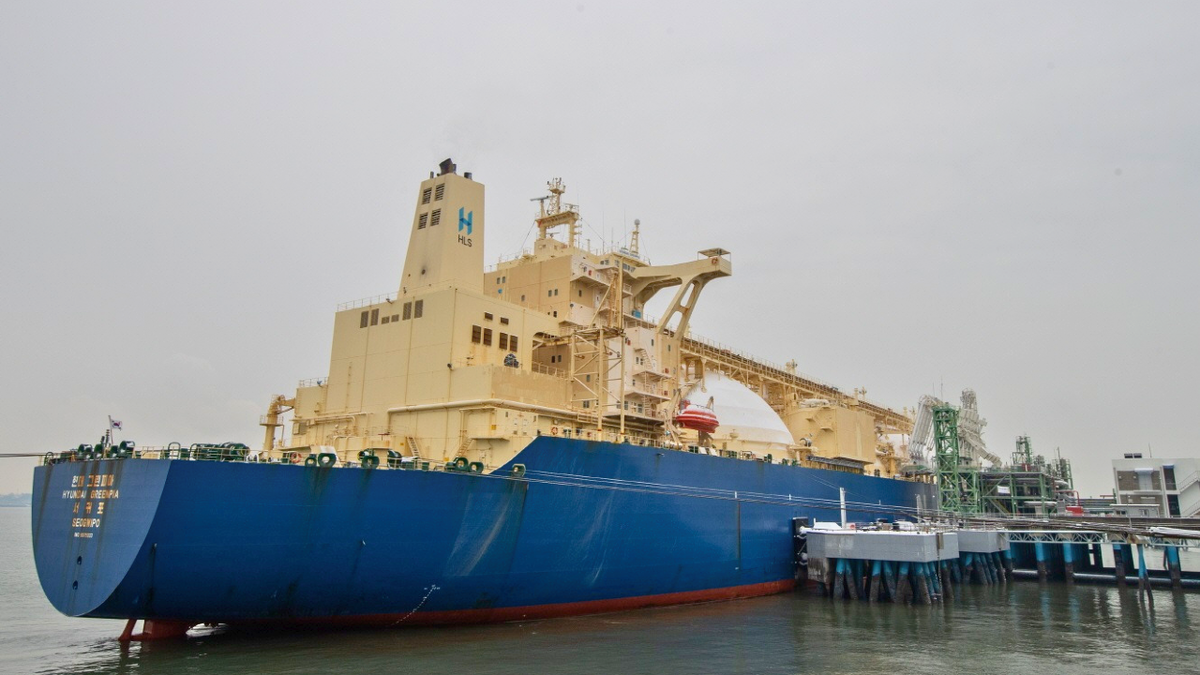
LNG scrap sales suspended by spot surge
Clarksons data showed LNG carrier spot earnings hitting their highest level since August 2024 as recycling reports pointed to record gas carrier scrapping


LNG carrier earnings tightened sharply in mid-November, reinforcing the sense that owners of modern tonnage would think twice before committing vessels for recycling.
Clarksons reported the average spot rate for a modern two-stroke 174,000-m³ LNG carrier increased by 30% week-on-week to US$77,500/day in the week to 14 November, the highest level since August 2024 and more than three times the mid-October level.
That acceleration reflected tightening availability in both basins.
In its weekly gas and chemical markets commentary in Shipping Intelligence Weekly, Clarksons noted “further firm gains” in LNG carrier spot markets, describing an “increasingly bullish” week in the West, with firm activity on both sides of the Atlantic and “momentum firmly with owners”.
In the East, the availability of two-stroke units was reported as tight, with several large vessels positioned towards Canada, reducing prompt options in the Pacific.
The freight rebound followed a period of weaker LNG market conditions earlier in the year, which had already pushed a significant tranche of older capacity towards the beaches.
Clarksons estimated a record 1.9M m³ of LNG capacity had been sold for demolition in 2025 to date, more than four times the 10-year average in cubic-metre terms.
Within the broader gas carrier segment, total demolition reached 1.1M dwt on an annualised basis, 122% higher than the previous year.
On the ground, recyclers confirmed LNG units had become a notable, if intermittent, feature of the end-of-life market.
In its Week 46 market insight, vessel cash buyer GMS reported “a steady stream of occasional LNGs” – alongside end-of-life MR tankers and smaller product tankers – had prevented ship recycling markets from “dozing off completely” in the latter part of 2025.
Earlier in the year, Bangladeshi yards’ activity had “essentially banked primarily on large LDT dry bulk and LNG units”, before volumes faded and 2025 was described as “barren” for the country’s recyclers.
At the same time, overall recycling supply remained constrained even as yards invested to comply with the Hong Kong Convention and related frameworks.
Clarksons calculated just 10.4M dwt had been reported sold for demolition across all sectors in 2025 to date, around half the 10-year average annual rate, despite a 34% increase on 2024’s exceptionally low total.
GMS highlighted the pressure this combination of low volumes and lower prices had placed on South Asian facilities, noting Indian HKC-approved yards in particular were facing a “struggle for survival”.
For LNG owners, the data pointed to a market in which a meaningful slice of older capacity had already exited, while tight spot tonnage and firmer earnings made further removals less attractive in the near term.
With recycling economics weakened and regulatory compliance costs rising at the yards, decisions to scrap LNG carriers now looked increasingly binary: either crystallise residual values in a thinner, more regulated demolition market, or continue trading into a freight environment that, at least for now, was rewarding modern two-stroke tonnage handsomely.
Sign up for Riviera’s series of technical and operational webinars and conferences:
- Register to attend by visiting our events page.
- Watch recordings from all of our webinars in the webinar library.



Related to this Story



Events

Maritime Regulations Webinar Week
16 Dec 2025GMT - ONLINEFloating energy: successfully unlocking stranded gas using FLNGs and FSRUs
24 Feb 2026GMT - ONLINE
© 2024 Riviera Maritime Media Ltd.


