


Business Sectors
Business Sectors
Events
Contents
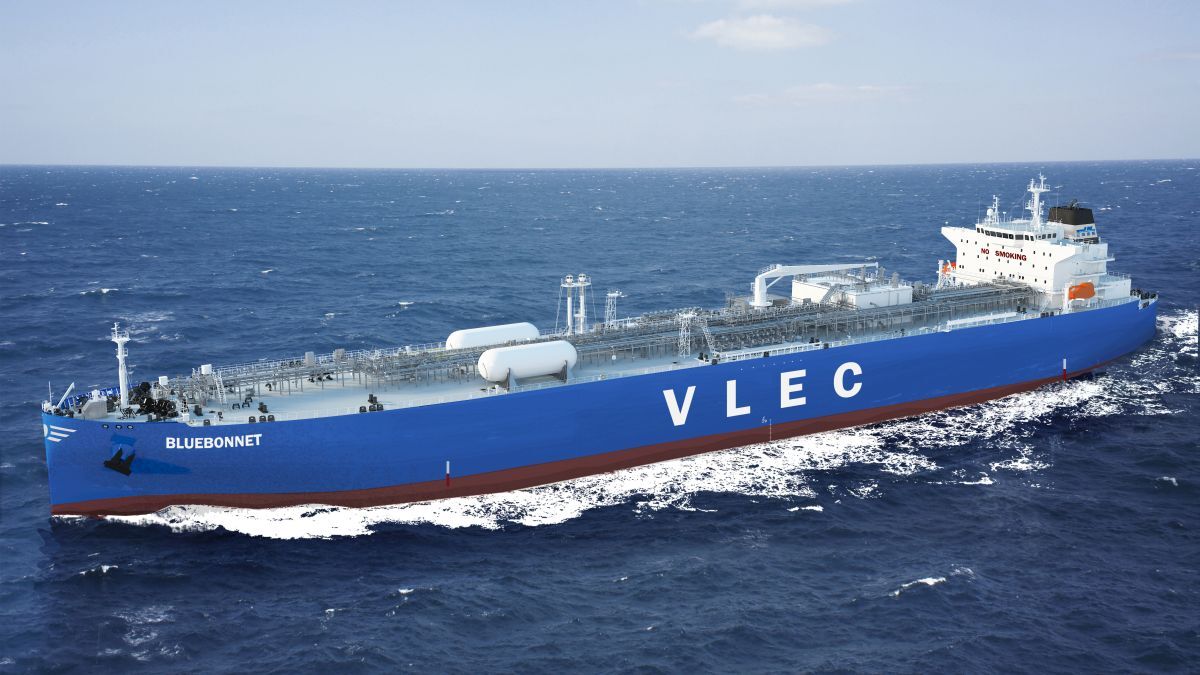
LPG and ethane carriers top non-conventional fuel-capable vessels as ordering picks up
Of the 38 vessels recorded in April in DNV’s tracking of ships capable of burning non-conventional fuel types, 14 came from the LPG and ethane carriers market segments


Norwegian classification society DNV has tracked more than three dozen vessel orders in April 2026 among ships that are capable of burning fuels other than conventional fuels derived from liquid petroleum.
At 38 total orders, April represented nearly half of the 83 total ship orders in 2026 that DNV classifies as capable of burning alternative fuels, although some of these ’alternative’ fuels the class society tracks, such as liquefied natural gas (LNG), are fossil-based.
LNG remained the dominant fuel type in DNV’s figures for the month, with 20 orders including eight car carriers, six container vessels, four crude tankers and two cruise vessels.
"After a slow start to the year, it is encouraging to see an uptick in orders for alternative-fuelled vessels in April. While the broader trend towards LNG remains evident in the data, it is also interesting to see a wider spread among the segments this month, with notable uptake in the tanker and cruise segments," DNV Maritime global decarbonisation director Jason Stefanatos said.
In non-LNG orders, the bulk carriers segment showed four newbuilds ordered capable of burning ammonia fuel.
"The ordering of four ammonia-fuelled vessels in the bulker segment also stands out. While ammonia is still at an early stage as a marine fuel, projects like this – and the operational experience gained from them – are essential for moving the industry from concept to capability and taking practical steps towards wider adoption," Mr Stefanatos said.
Overall non-conventional fuel newbuilding orders fell 40% year-on-year in Q1 2026, with activity dominated by LNG and no ammonia-capable tonnage booked from mid-2025 until April 2026.
Among the vessel segments receiving new ship orders in April 2026, LPG and ethane carriers had the highest proportion, combined, with 14 vessels ordered, according to DNV.
Offering further evidence of a wider positive trend for vessel orders, Linerlytica reported this week that the global orderbook has reached a record high of 13M TEU following a fresh wave of new orders, pushing the orderbook-to-fleet ratio to a post-global financial crisis high of 38.3%.
Linerlytica also indicated that new shipbuilding contracts in the first four months of 2026 have already exceeded 1.9M TEU in capacity. At the current pace, total contracting this year is on track to surpass the 2025 full-year record of 5.1M TEU – the highest annual volume of new orders ever recorded.
In terms of vessel numbers, data from Xclusiv Shipbrokers shows that 209 container vessels had been ordered by the end of April. Most of these orders are concentrated in the feeder and Handy segments.
Sign up for Riviera’s series of technical and operational webinars and conferences:
- Register to attend by visiting our events page.
- Watch recordings from all of our webinars in the webinar library.


Related to this Story
Events

Maritime Regulations Webinar Week
 16 Dec 2025
 GMT - ONLINE
Floating energy: successfully unlocking stranded gas using FLNGs and FSRUs
24 Feb 2026GMT - ONLINE
© 2026 Riviera Maritime Media Ltd.


