


Business Sectors
Events
Contents
Register to read more articles.
2025 in maritime environmental protection: waste, water, wildlife
Webinars and pilots in 2025 shifted maritime environmental protection towards enforceable waste rules, treated water reuse and voyage tools to cut plastic and protect whales


In 2025, Riviera launched Maritime Environmental Protection to expand the coverage of what had previously been the narrow focus of Ballast Water Treatment Technology.
The expanded coverage encompasses all pollution emissions entering the water from commercial vessels.
Across a series of news stories and webinars in 2025, speakers described how static approval regimes, outdated test protocols and weak enforcement were struggling to keep pace with new fuels, new materials and rising expectations from regulators and society.
Oily waste management remained a core concern, and in Riviera’s webinar Oily waste: challenges, issues and remedies, held on 29 October 2025, H2O LLC technical specialist Matthew Adams and Marinfloc sales and production manager Fredrik Andersson warned that outdated rules, weak enforcement and poor training continue to undermine oily water separator performance.
Mr Adams reminded delegates nearly all modern oily water separators were built to IMO MEPC 107(49), designed to deliver effluent at or below 15 ppm oil content.
He described the equipment as “the first line of defence in preventing accidental oil discharges into the sea,” but linked its effectiveness to basic seamanship, including understanding discharge limits, special areas, oil record book requirements and proper calibration of oil content monitors.
"Enforceable sewage rules, not an approval-only mindset"
Mr Andersson argued static separator designs certified under MEPC 107(49) struggle with dynamic bilge chemistry shaped by low-sulphur fuels, methanol, LNG, biodiesel, detergents and advanced lubricants, while type-approval tests still rely on 1990s fuel samples.
He told delegates, “When no one checks, compliance becomes optional”, and pointed to flocculation as a practical retrofit and newbuild option, arguing “the solutions for pollution exist” and there are no excuses for continued bypassing and poor practice.
Wastewater and sewage treatment formed a parallel strand of activity.
The Greywater and blackwater: improving the compliance gap webinar was framed around the growing scrutiny of shipboard wastewater discharges because of their role in eutrophication, oxygen depletion and pathogen spread.
With enforcement uneven and older ships often lacking modern treatment capabilities, the event set out to explore how to close the compliance gap and how new technology and regulatory developments might shape future wastewater handling at sea.
Against that backdrop, EN Decision director Dr Wei Chen argued IMO’s current approach to sewage regulation needs a fundamental shift towards evidence-based enforcement, warning approval regimes had allowed ’invalid’ sewage treatment plants to persist on ships. He called for enforceable sewage rules, not an approval-only mindset.
The message from the wastewater coverage was shipboard installations and type-approvals are only the starting point; regulators would increasingly expect proof of in-service performance aligned with real discharge impacts.

The year also brought a concrete proposal to close the loop between land-based water management and shipboard consumption.
In a recycled water pilot proposal for ports in Australia, Innovation Approach Oz chief executive Kayla Peperkamp outlined a plan to supply surplus Class A recycled water to vessels at Victorian ports.
She told Riviera, “Water and waste challenges do not stop at the shoreline,” explaining experience in sewerage and stormwater reform points to the need to extend sustainable practice into shipping and ports.
Marine plastic litter emerged as another focal point and efforts have moved up the regulatory agenda at the International Maritime Organization, with member states pursuing enhanced requirements to curb plastics entering the marine environment from ships.
“You don’t wait for heavy fouling to accumulate or for performance to drop”
Policy advisor Peter Van den dries explained steps to cut ship-sourced plastics through improvements to port reception facilities and measures to deal with lost or discarded fishing tackle.
By linking onboard segregation and record-keeping with reception capacity and procedures ashore, this strand of coverage underlined that marine litter outcomes depend on both ship and port systems being aligned with evolving IMO expectations.
Coatings and biofouling control completed the picture on releases to the marine environment. In Biofouling management and biocide-free coatings: regulatory pressures and practical adoption, delegates learned that global regulations are increasingly targeting biocide use, with strong pressure to limit biocides in coatings and calls for better biofouling control and more sustainable solutions.
During a Riviera webinar on the subject, I-Tech AB technical director Dr Markus Hoffmann told delegates that a recent review of type-approvals for anti-fouling coatings showed 95% of products approved by class remained biocidal and he cautioned “biocide-free coatings are not a panacea” and noted class-approval is not the same as market share.
GIT Coatings head of market strategy and vessel performance Philippos Sfiris described a proactive mentality, where bio-free coatings were paired with planned maintenance and early intervention. “You don’t wait for heavy fouling to accumulate or for performance to drop,” he said. “You try to address slime directly, early on in the process, and then manage it as a routine.”
The coatings discussion linked marine environmental protection with fuel and emissions performance, showing how poorly performing coatings could shift impact from water to air rather than remove it.
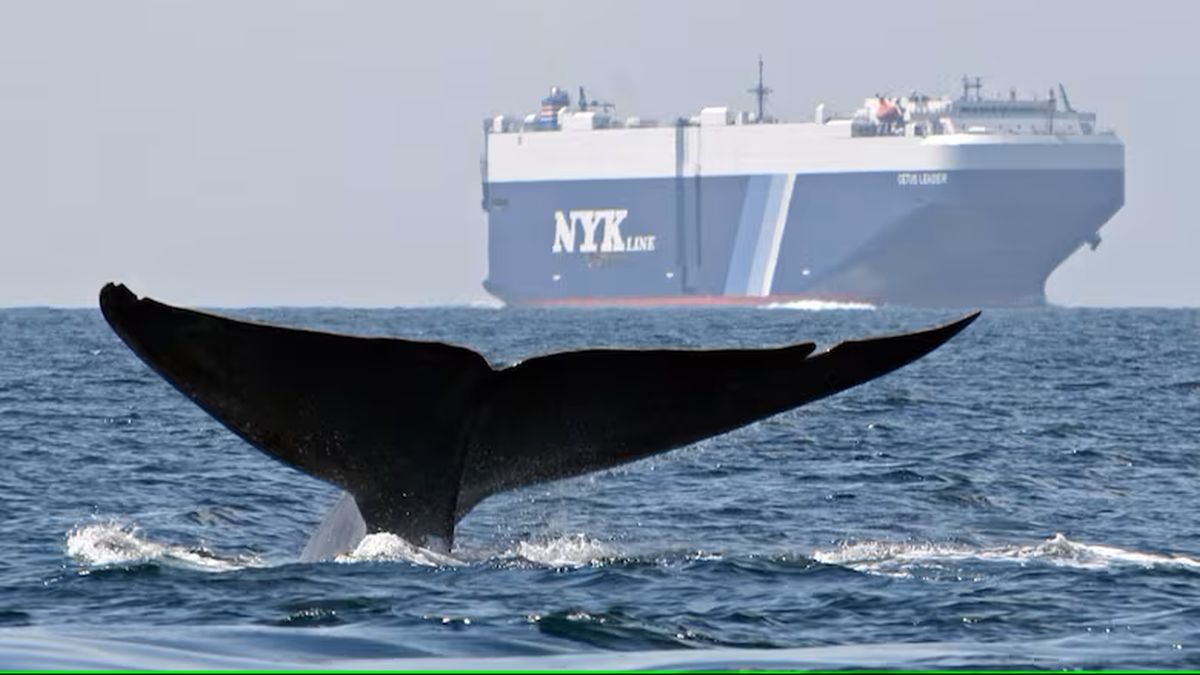
Biodiversity and underwater noise were addressed through a different type of tool when the World Shipping Council (WSC) updated its voyage-planning aid Whale Chart, adding new entries on the US West Coast and in southern British Columbia
WSC described the publication as a global voyage-planning aid mapping where slower ship speeds and route adjustments could protect whales from ship strikes and reduce underwater noise, bringing together what it called all known mandatory and voluntary measures worldwide, including speed restrictions, routeing schemes and seasonal protection zones.
The 2025 activity on oily waste, wastewater, plastics, coatings and whales point towards a more integrated view of marine environmental protection, a sector dealing with legacy approval regimes and ageing test protocols while trying to match them with evidence-based enforcement, verifiable performance and tools that connect shipboard practice with port infrastructure and route planning.
The direction of travel across the year was clear: compliance would increasingly be measured in terms of what actually enters the sea and how voyages interact with marine ecosystems, rather than solely by reference to certificates on board.
Sign up for Riviera’s series of technical and operational webinars and conferences:
- Register to attend by visiting our events page.
- Watch recordings from all of our webinars in the webinar library.
- To take part in the Maritime Environmental Protection webinars, contact brand manager Rob Gore (rob.gore@rivieramm.com)
Related to this Story

Events

Maritime Regulations Webinar Week
 16 Dec 2025
 GMT - ONLINE
Floating energy: successfully unlocking stranded gas using FLNGs and FSRUs
24 Feb 2026GMT - ONLINE
© 2024 Riviera Maritime Media Ltd.


