


Business Sectors
Events
Floating energy: successfully unlocking stranded gas using FLNGs and FSRUs
 24 Feb 2026
 GMT - ONLINE
Contents
Alternative fuels: practical considerations and horizons for use in OSV engines
Despite some convergence around methanol and ethanol, owners are advised to look at options that best match real-world operating profiles


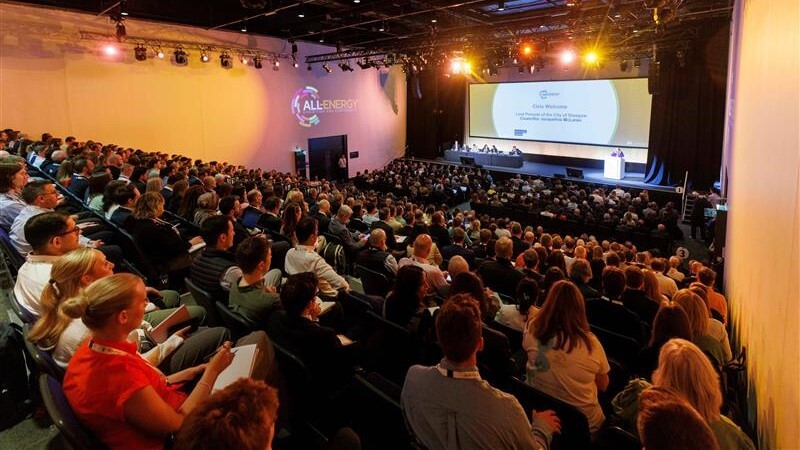
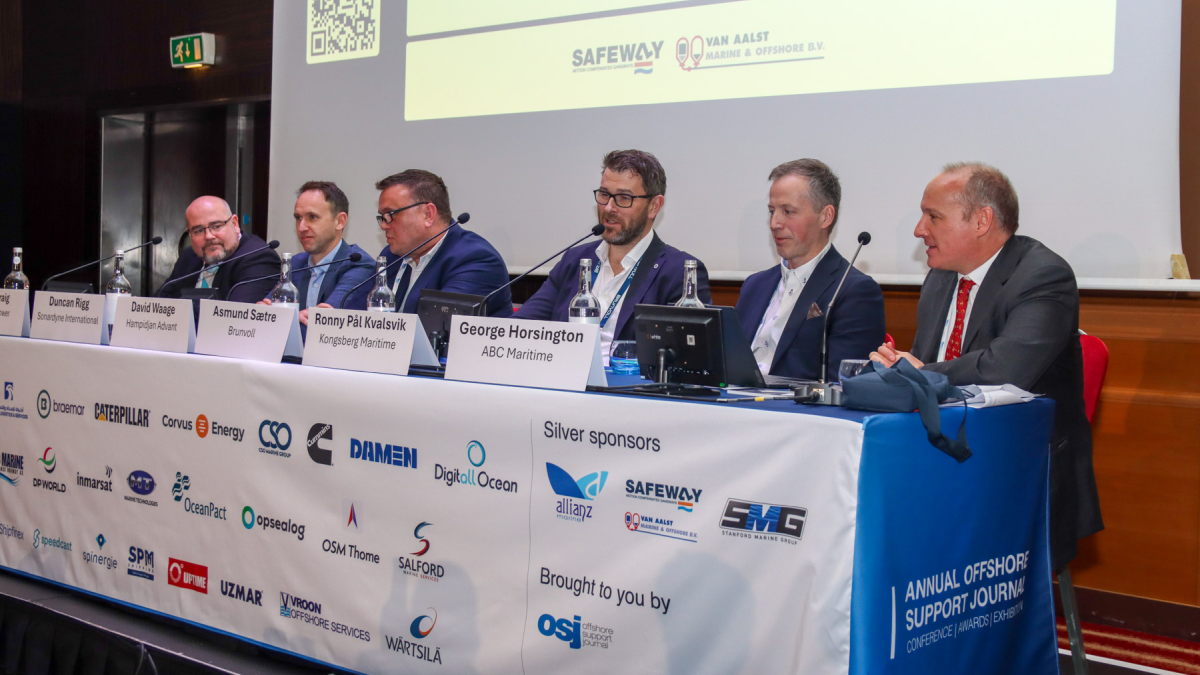
Offshore vessel owners and operators, facing a growing array of choices in planning for emissions reduction regulations, heard engine makers aligning around methanol and ethanol as practical future fuels, supported by advances in engine technology and hybrid power systems during discussions at Riviera’s Annual Offshore Support Journal Conference, Awards and Exhibition in London.
Despite uncertainty in the geopolitical and regulatory landscape, decarbonisation targets remain a central driver in engine manufacturing, according to Everllence SE head of high speed, Florian Keiler. And Mr Keiler was confident about where the company sees momentum building in the offshore vessel fuels landscape for high-speed engines.
“Based on the requirement to decarbonise, we have looked into all the fuels, and... the most promising type for these ships is methanol,” he told delegates, pointing to biomethanol and green e-methanol as the lowest-carbon options from a well-to-wake perspective.
As for general demand drivers for the fuel’s production, Mr Keiler said Everllence expects early demand to come from a mix of maritime sectors. Superyacht owners, power demands, emissions regulations for harbour tugs, consumer-led green travel demands from cruise and ferries, and governmental needs to lower emissions from owned fleets all factor into the mix, along with increasingly stringent emissions regulations and carbon costs for ships.
Variable-speed operation was highlighted as a key enabler for lower costs and lower emissions, particularly for offshore vessels with dynamic positioning that spend much of their time operating at partial load.
Zeppelin Power business and technology manager Pål Erik Ruen said variable-speed operation can deliver tangible fuel and lifecycle cost benefits, with the correct operational profile in place.
“Fuel economy is much, much improved going to a variable speed solution compared with... the same engine operating in a constant speed, fixed-type operation,” Mr Ruen told delegates.
When it comes to fuel selection, complexity and cost remain decisive factors, he told delegates.
“The solution that is selected brings us the lowest complexity for the highest substitution rate at the lowest cost with the lowest emissions.”
But whatever the solution, a choice for moving to alternative fuels is "not going to be free," he cautioned. "Alternative fuels are never free.”
Energy storage is increasingly part of the conversation for propulsion systems on board vessels needing to lower emissions. And, battery systems are now well established in offshore applications, with suppliers reporting steady improvements in performance and falling costs.
“We have experienced a roughly 10%–15% improvement in capacity year to date, and we expect that this will continue,” said vice-president for the global offshore segment at Corvus Energy, Tuomo Salmi.
Battery integration is already reshaping vessel design, he said, even in the offshore vessel space.
“It’s fair to say that high-performance OSVs are already here,” Mr Salmi said. “OSVs are at the forefront of maritime electrification.”
Wärtsilä Norway head of offshore SGA, Jon Inge Buli, encouraged operators to delve into their specific operations, including the geographic locality in which they work and the fuels on offer.
“One of my personal favourites is ethanol,” he said, noting that the “proximity of it in one of the world’s largest offshore markets, Brazil," would be attractive to vessels operating in that region.
A loose poll of engine-maker representatives showed that the first of the newest round of alternative-capable engines for offshore vessels would be delivered between now and the middle of 2027.
Riviera’s Offshore Support Journal Conference, Brazil, will be held in Rio de Janeiro on 13-14 October 2026. Use this link for more information and to register for the event.

Related to this Story

Events
Maritime Regulations Webinar Week
16 Dec 2025GMT - ONLINEFloating energy: successfully unlocking stranded gas using FLNGs and FSRUs
24 Feb 2026GMT - ONLINE
© 2024 Riviera Maritime Media Ltd.


