


Business Sectors
Business Sectors
Events
Contents

Register to read more articles.
How to modernise Brazil’s OSV fleet in a growth market
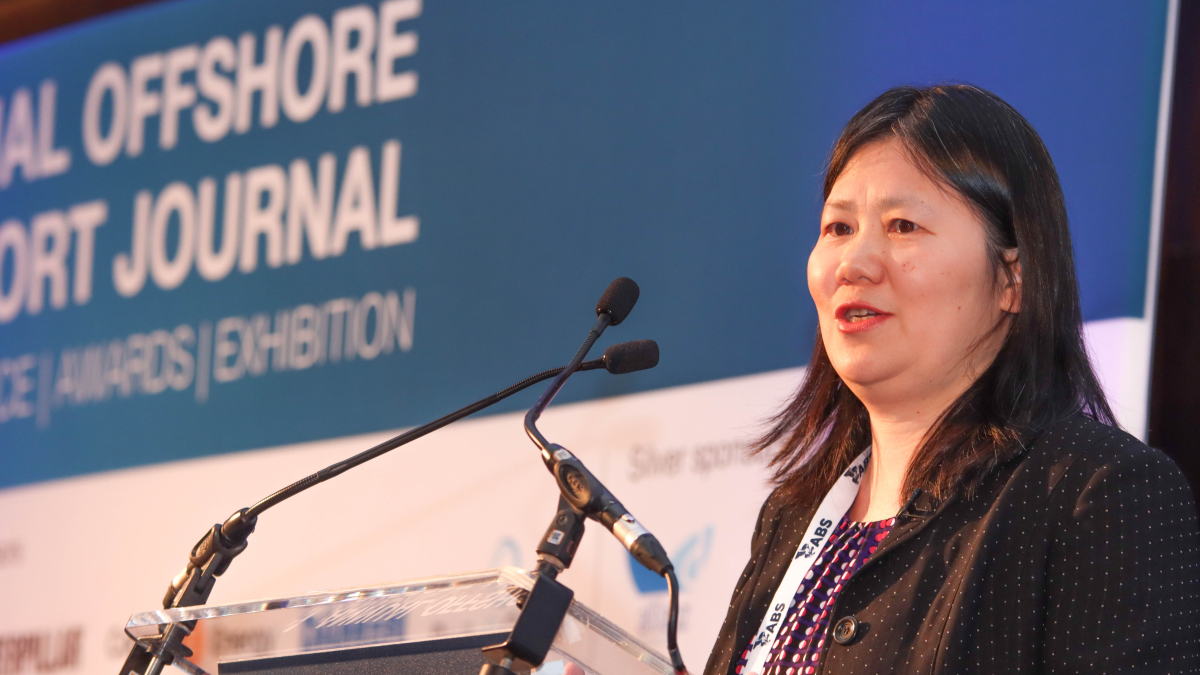
ABS director Wei Huang and global offshore account manager Gabrielle Caldas outline the latest sustainable innovations driving construction of new vessels in Brazil and the related safety requirements


Offshore support vessel (OSV) procurement is surging to support plans to revitalise traditional offshore oil and gas activity and explore promising frontiers. State-owned Petrobras’ renewal of its platform supply vessels (PSVs) signals a booming market ahead as the operator aims to deliver a greener fleet by 2030.
As digitalisation and environmental considerations transform the OSV sector, new vessel designs and future fleets will be equipped with the latest technological advancements to enhance efficient performance in complex operations. Three key pillars are shaping the future of the global OSV market: compliance, operational efficiency and safety performance.
As the world changes and the offshore sector adapts, classification societies remain an integral part of validating the safe adoption of new technologies by serving as trusted advisors to the OSV market.
The collaboration between class and industry is charting the course in key regions across the Americas, with Brazil’s procurement for a modern ABS-classed OSV fleet leading the way.
As PSV construction builds momentum, OSV requirements are being redefined to keep pace with regulations and rapid technological innovation. The industry is entering a new era and the push for reduced emissions is accelerating the adoption of novel technologies and propulsion systems to reduce fuel consumption.
"Brazil is a major hub driving demand for OSV modernisation"
Expanded emissions reporting requirements for European Union (EU) ports now mandate offshore vessels of 400 gt and above report emissions data under the EU regulations. The implementation of FuelEU Maritime in 2025, a regulation promoting the use of renewable, low-carbon fuels and clean energy technologies for ships, will significantly influence fuel choices for OSVs operating in European waters.
Globally, offshore operators are seeking to adopt hybrid battery, dual-fuel and alternative fuel technologies to improve performance and reduce emissions to demonstrate their commitment to meeting climate-related objectives. This evolution is spurring demand for the new technologies that support carbon neutral, fully digitalised, highly automated and smartly monitored vessels.
Fleet modernisation and engineering for the future
According to ABS’s Insights into Future OSV Designs and Operations, the OSV of the future will be multi-functional, designed to perform complex support operations. Modern
OSVs will be equipped to serve multiple offshore sectors such as carbon capture transport and renewables, with large accommodation spaces, heavy-lift cranes, helidecks and streamlined hull forms.
Brazil is driving demand for OSV modernisation, using domestic shipyards to significantly boost the Brazilian shipbuilding industry, creating jobs and stimulating economic growth.
This approach aligns with Brazil’s local content requirements, which mandate that a substantial percentage of vessel components, materials and labour must be sourced domestically. These requirements, administered by Brazil’s National Petroleum Agency (ANP), have historically ranged from 40% to 70% depending on vessel type and component category.
For global OSV operators and shipyards, navigating local requirements adds complexity to vessel construction but also creates opportunities for innovation within the Brazilian maritime and offshore ecosystem.
Brazil’s procurement of a modern OSV fleet includes onboarding smart technologies, electrification and alternative fuel solutions, such as hybrid-electric propulsion systems and engines capable of using ethanol and methanol.
This fleet transformation must balance international technological innovation with local manufacturing capabilities.
New orders represent a long-term investment in the region’s offshore infrastructure to support a ramp up in offshore operations into the next decade as energy demand rises.
Brazil’s move toward hybrid vessels is an industry trend that will continue this year as the offshore sector strives to bring forward solutions to drive down greenhouse gas emissions.
Emerging fuel technologies
Adopting the latest technologies to meet the highest standards is central to the offshore industry’s strategy, both in Latin America and globally.
Next-generation OSVs will deliver significant benefits through improved operational efficiency and reduced fuel consumption. Early adopters in Brazil’s OSV sector are reporting fuel consumption and emissions reductions when implementing hybrid systems combined with dual-fuel capabilities.
The implementation of these technologies also poses new challenges. Retrofitting existing vessels with dual-fuel capabilities requires significant capital investment and may result in operational downtime.
For newbuilds, the higher initial costs must be balanced against long-term operational savings and regulatory compliance benefits. Additionally, crew training and safety protocols must adapt to and accommodate the specific requirements of alternative fuels.
Dual-fuel engines
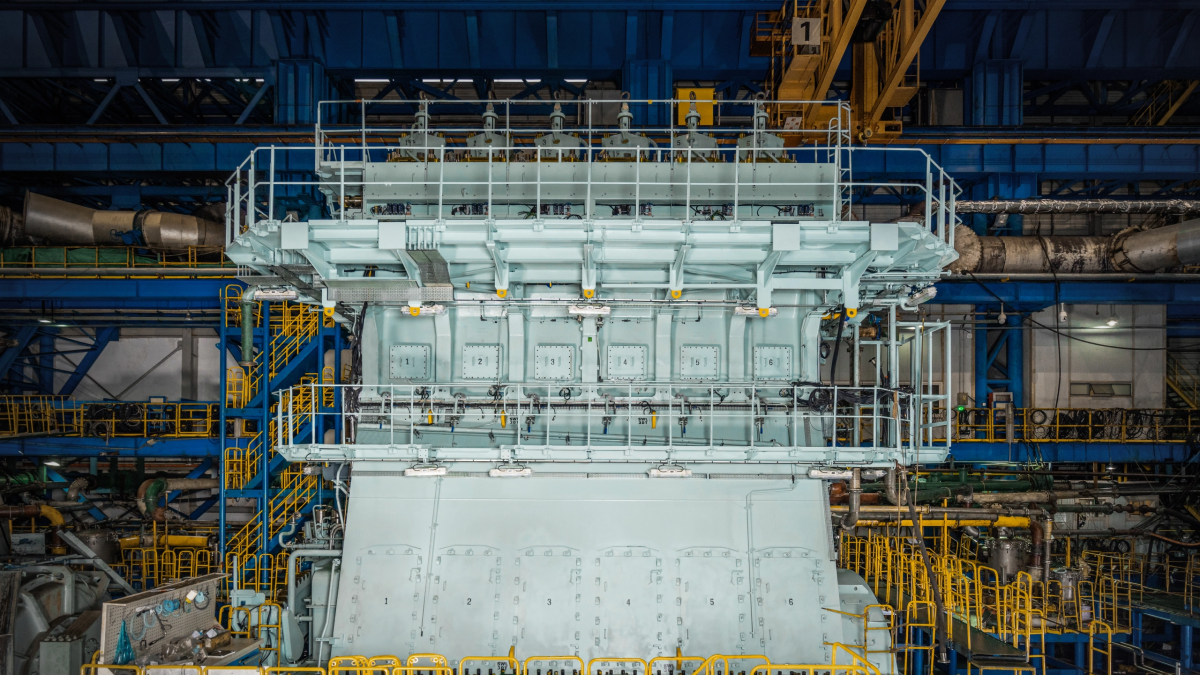
The transition to dual-fuel engine technology offers greater fuel flexibility for OSVs. Modern dual-fuel engines effectively switch between fuel types without interrupting operations, offering both operational flexibility and emissions-reduction capabilities.
Petrobras’ recent tender specifications highlight its commitment to this technology, with requirements for vessels equipped with hybrid diesel-electric propulsion systems capable of using multiple fuel types. This approach can enable a transition to lower-emissions operations while maintaining the reliability and operational range that offshore operations demand.
Several alternative fuel options are emerging as viable solutions for the global OSV fleet, with a particular focus on ethanol and methanol.
"Vapour detection systems, specialised ventilation and appropriate personal protective equipment are essential for safe handling"
Methanol is rapidly emerging as a viable alternative for the marine industry due to its lower carbon footprint and simpler onboard handling compared with LNG. Like LNG, lower carbon versions of methanol (biomethanol and synthetic methanol) can easily serve as drop-in fuels in existing methanol systems.
The existing infrastructure for methanol bunkering, based on its wide use in the chemical industry and global shipping volume, provides a significant advantage for OSV adoption.
However, its lower energy density compared with conventional fuels and high flammability require careful management and additional safety measures. For OSVs with space constraints, this lower energy density presents challenges that must be addressed through careful design and operational planning.
Digital solutions
Modern OSVs are increasingly equipped with smart technologies that optimise fleet performance, including advanced dynamic positioning systems, remote monitoring capabilities and predictive maintenance implementation. Cyber security considerations are also becoming more prominent as vessels become further connected and integrated with shore-based systems.
These digital innovations enable better integration to enhance safety, reliability and efficient performance across the fleet. Real-time fuel consumption monitoring and emissions tracking systems are becoming standard features, allowing operators to optimise vessel operations for both economic and environmental performance.
Newbuild safety considerations
Adopting alternative fuels requires a solid understanding of the associated risks, not only for vessel safety but also for the safety of all personnel involved in OSV operations.
Methanol, for example, presents unique safety challenges due to its toxicity and flammability. Vapour detection systems, specialised ventilation and appropriate personal protective equipment are essential for safe handling. Unlike LNG, methanol remains liquid at ambient temperature, simplifying storage but requiring careful attention to containment and spill management.
These safety considerations must be addressed through comprehensive risk assessments during the design phase and ongoing training throughout vessel operation. Regulatory frameworks continue to evolve alongside technology, requiring close collaboration between vessel operators, class societies and regulatory authorities.
Providing objective safety guidance
Offshore engineering guidelines are essential for understanding how to integrate these new technologies with the highest level of safety for future-ready fleets.
ABS rules and standards for OSVs reflect the latest advancements and safety best practices, with a particular focus on decarbonisation, digitalisation, cyber security and other sustainability factors.
Specific guidelines for alternative fuel systems address the unique safety considerations associated with each fuel type.
For dual-fuel engines, detailed specifications support fuel switching procedures, emergency operations and crew training requirements.
Electrification and alternative fuel guidelines cover requirements for offshore energy generation and distribution, battery energy storage systems, fuel cells and hybrid electrical power systems.
Additionally, the ABS Guide for Sustainability Notations provides a framework and standard approach to certify the environmental performance of vessels.
To support Brazil’s local content requirements, ABS provides specialised knowledge of regional needs by offering an important objective view as a key project collaborator during the planning, design, construction and delivery phases.
This presence on the ground is essential for maintaining compliance during the implementation of innovative technologies.
Evolving designs, technology adoption trends and continual investment in safety and sustainability are supporting the future of the growing OSV market.
As the global OSV fleet undergoes significant transformation to support renewed offshore activity in key regions like South America, including adopting alternative fuels and automated technologies. ABS is working closely with the industry to develop rules and guides to enhance offshore safety in this next era of innovation.
Both Ms Caldas and Ms Wei Huang will be presenting at Offshore Support Journal Conference, Americas in Brazil, 7-8 October 2025. Learn more about the event and register, by visiting the Offshore Support Journal, Americas, Brazil.


Related to this Story


Events

Maritime Regulations Webinar Week
 16 Dec 2025
 GMT - ONLINE
Floating energy: successfully unlocking stranded gas using FLNGs and FSRUs
24 Feb 2026GMT - ONLINE
© 2026 Riviera Maritime Media Ltd.


