


Business Sectors
Business Sectors
Events
Contents
Register to read more articles.
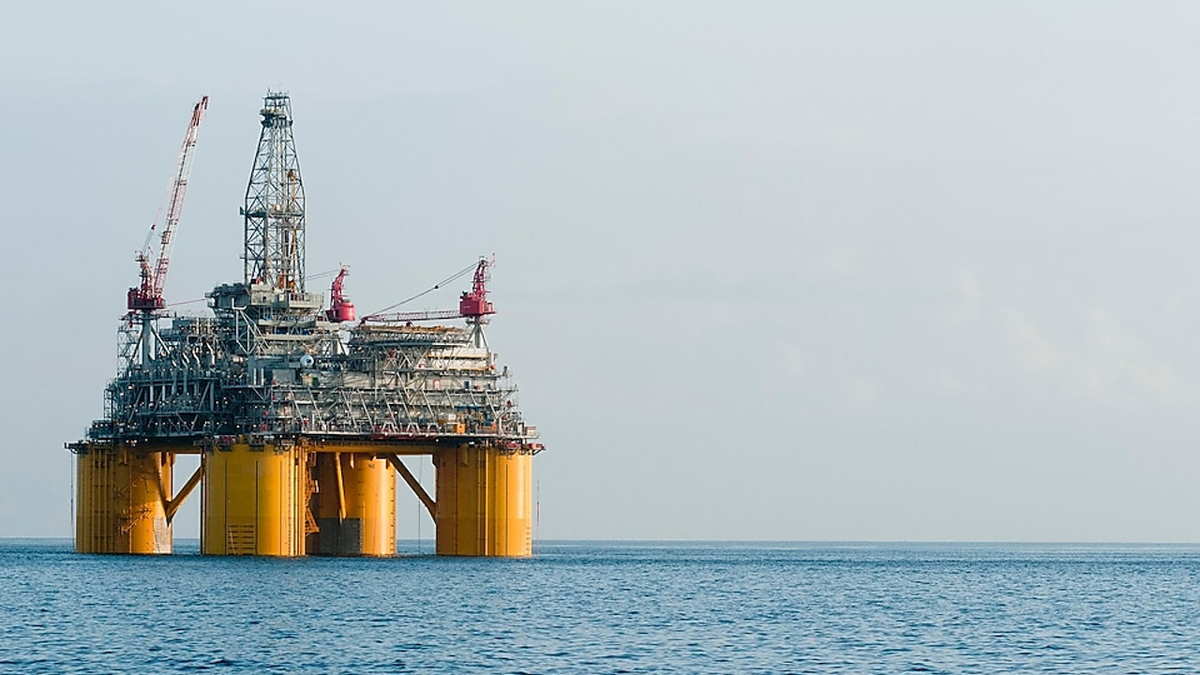
Shell restarts production at Mars and Ursa in US Gulf of Mexico
Shell Offshore Inc has re-started production at its hurricane-damaged Mars and Ursa platforms in the US Gulf of Mexico well ahead of its original estimates


Production from the platforms had been halted following “significant structural damage” at Shell’s West Delta-143 (WD-143) offshore facilities from Hurricane Ida on 29 August.
“Our Hurricane Ida recovery efforts are the latest example of how our people come together with great determination to tackle the biggest challenges of the day,” said Shell upstream director Zoe Yujnovich. “We are proud to have safely restored our full production in the US Gulf of Mexico, where the barrels have among the lowest greenhouse gas intensity in the world.” Shell began exporting oil and gas through the West Delta-143 (WD-143) A facility, which was originally estimated to be offline until the end of 2021.
On 1 October, Shell successfully restarted production at its Olympus platform in the Gulf of Mexico and began exporting oil and gas through the West Delta-143 (WD-143) C facility. “When Mars and Ursa are fully ramped up, we will have 100% of Shell-operated production in the Gulf of Mexico back online, ahead of schedule from our initial estimates,” said Shell in a press statement.
The WD-143 facilities serve as the transfer station for all production from Shell’s assets in the Mars corridor in the Mississippi Canyon area of the Gulf of Mexico to onshore crude terminals. Production from Olympus flows across WD-143 C while production from Shell’s Mars and Ursa facilities flow across WD-143 A.
The WD-143 platform, owned by Shell Offshore Inc (71.5%) and BP Exploration & Production (28.5%), is operated by Shell Pipeline Company LP.
The Mars corridor consists of Shell-operated tension leg platforms Mars, Olympus and Ursa.
Riviera Maritime Media’s Annual Offshore Support Journal Conference will be held in London 17 November. Register your interest and access more information here


Related to this Story

Events

Maritime Regulations Webinar Week
 16 Dec 2025
 GMT - ONLINE
Floating energy: successfully unlocking stranded gas using FLNGs and FSRUs
24 Feb 2026GMT - ONLINE
© 2026 Riviera Maritime Media Ltd.


