


Business Sectors
Events

Floating energy: successfully unlocking stranded gas using FLNGs and FSRUs
 24 Feb 2026
 GMT - ONLINE
Contents
Register to read more articles.
SPM: control connectivity access to prevent incidents
A Dubai, UAE-headquartered vessel owner is getting the most out of the latest satellite connectivity and is facing the resulting challenges


Investing in satellite communications for merchant ships and offshore support vessels brings operational and crewing benefits, but comes with challenges that owners need to face.
Owners are deploying equipment on ships to communicate over low Earth orbit (LEO) satellites to augment the connectivity already available from geostationary (GEO) satellites. These LEO constellations bring faster communications with lower latency, but can be less cyber secure than connectivity over GEO satellites, and can impact crew rest periods.
SPM Shipping has deployed LEO communications hardware on its tankers, bulk carriers and OSVs to improve seafarer recruitment and retention.
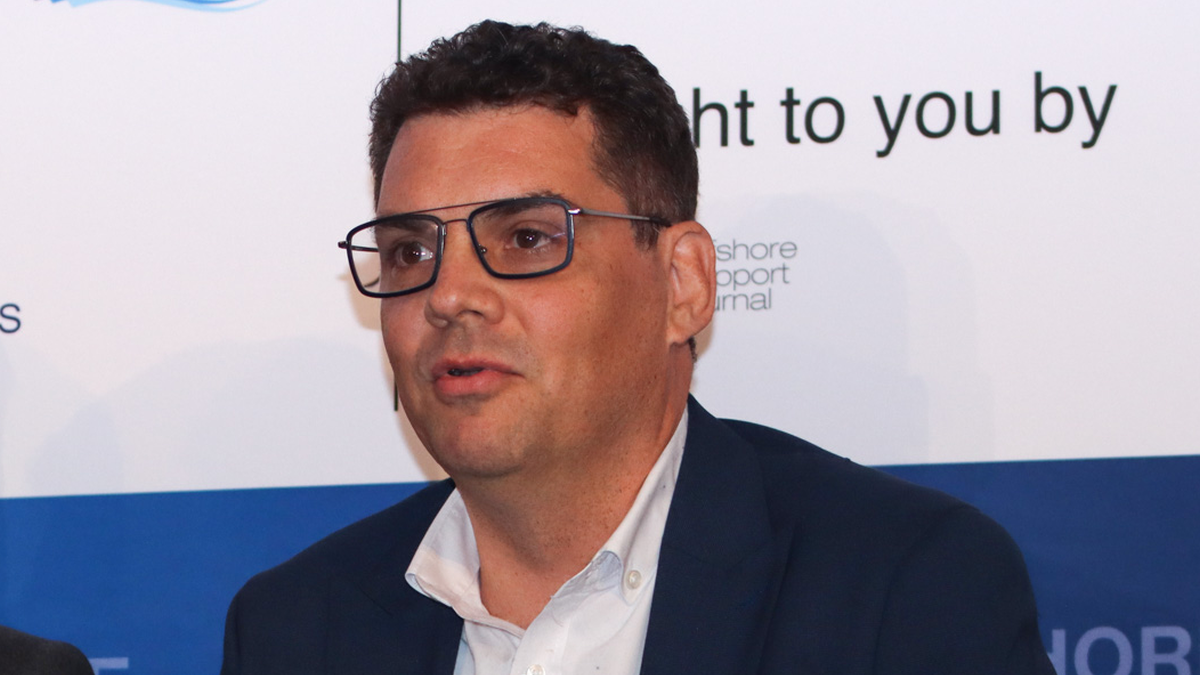
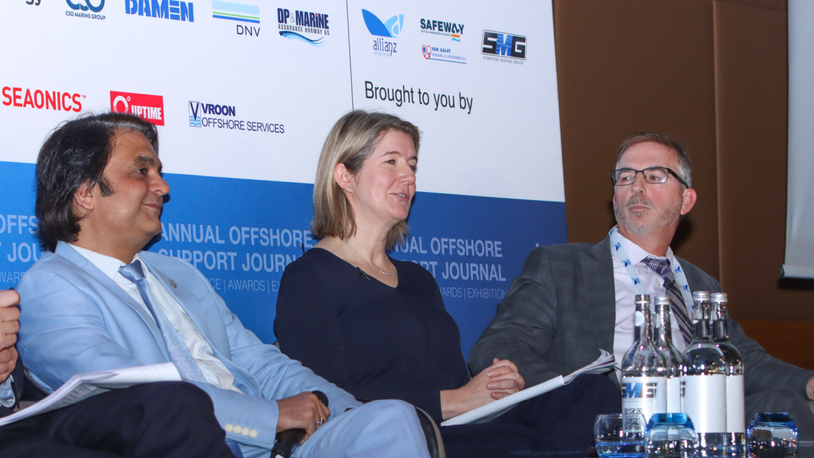
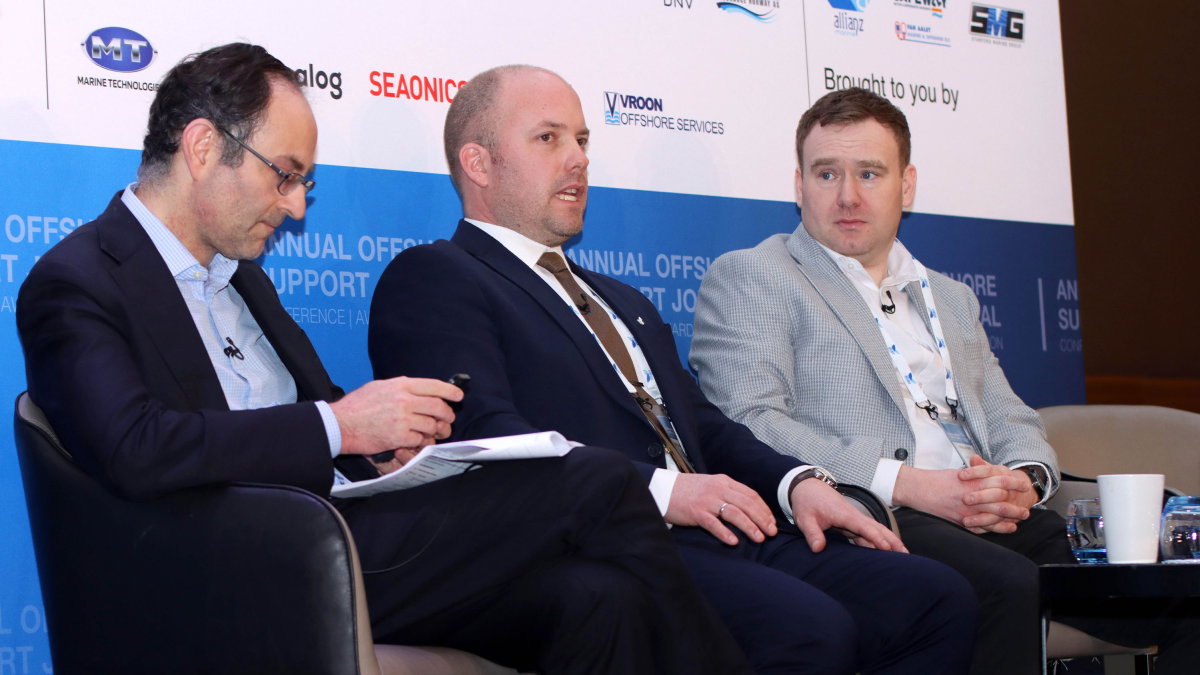
According to Dubai, UAE-headquartered SPM Shipping’s head of offshore chartering, John Goes, LEO connectivity is becoming a greater requirement for the new generation of crew who use mobile devices, offering fast satellite communications for social media and gaming.
“Good communications and streaming are important,” he said at Riviera’s Annual Offshore Support Journal Conference, in London, UK, in February 2026. “People are always on the phones, checking in and talking to their families,” Mr Goes said, adding that this comes with challenges on ships. “When it is possible to communicate very fast through various media, we need to find ways to control that,” he explained. “Crew are going to be on their devices all the time. If you do not control access, then they will be on their device the majority of the time.”
Mr Goes said this could impact their ability to rest and recover when they are not on duty, “so they can safely operate an asset at sea.”
Controlling connectivity access on board vessels limits the risk of an incident.
“We need the crew to get plenty of rest, otherwise there is the risk of an accident, or some other issue,” said Mr Goes.
Another challenge is ensuring secure communications across LEO satellites because of the sensitive data stored on board ships and transferred over the airwaves.
“Security of information is one thing that we see a lot, especially in chartering, where relevant, sensitive information goes on board,” said Mr Goes.
He wants a greater focus on cyber security from the maritime communications industry to prevent leaks and online incidents.
Owners and operators can limit the risk from cyber incidents by training crews to identify potential cyber threats and to react to them.
"We need people who are responsible and have a cultural understanding of why,” Mr Goes said. “Creating a cultural responsibility is the most important aspect on board.
Riviera’s Offshore Support Journal Conference, Middle East will be held on 8-9 December 2026. Use this link for more information and to register for the event.
Related to this Story
Events

Maritime Regulations Webinar Week
16 Dec 2025GMT - ONLINEFloating energy: successfully unlocking stranded gas using FLNGs and FSRUs
24 Feb 2026GMT - ONLINE
© 2024 Riviera Maritime Media Ltd.


