


Business Sectors
Business Sectors
Events
Contents

Register to read more articles.
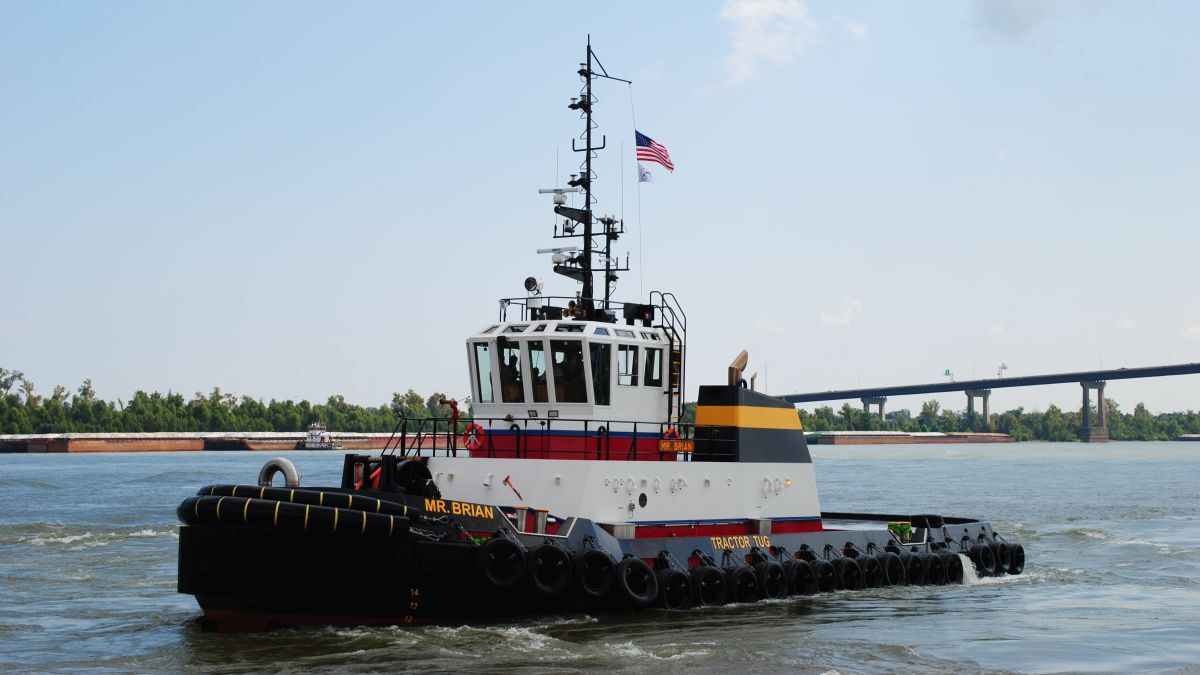
Tugboat, towboat sales plummet as availability dries up
High prices are keeping the secondhand tugboat and pushboat market particularly tight, with few vessels for sale and owners keeping assets working longer


Owners are sweating their fleets of tugboats and pushboats worldwide for longer and are becoming increasingly reluctant to sell them, as asset values remain firm and charter rates strong.
While shipyard newbuilding orders and tugboat construction has increased in the past five years, there has been a significant drop in secondhand sales of tugs and pusher vessels outside of corporate fleet transactions.
Of the 5,130 tugboats US-based broker Marcon International tracks worldwide, 213 were officially on the market for sale in November 2025, which was down almost 13% from the 245 in November 2024 and represented a huge drop of 65% from the 616 listed tugboats available in Q4 2020.
Of the 213 vessels available for sale, 52 (representing 24% of the total) were in the US, 35 (16%) were in Europe, 29 (14%) were in the Far East and 26 (12%) were located in the Mediterranean market.
“The global tugboat market has undergone notable changes in recent years, especially regarding the availability of vessels for sale and the rate at which older units are scrapped,” said Marcon in its latest report.
“The number of tugboats available for sale has dropped significantly, as older or poorly maintained vessels have been removed from the market and dismantled,” it said.
Marcon said the global tugboat market was “tight and selective” and the pool of workable vessels available at realistic prices had shrunk markedly, especially in the US.
“Owners that hold good, mid-life tonnage are generally reluctant sellers, while many of the older vessels that do come to market are either too tired or too costly to bring up to modern regulatory and operational standards, or both,” said Marcon.
“Utilisation and pricing dynamics in the tug sector are increasingly shaped by owners’ decisions to keep working older assets rather than turn them over, even as costs to maintain and upgrade those vessels keep climbing.”
Costs are rising due to machinery inflation, limited drydock slots, higher regulatory and environmental compliance requirements and energy and wage rises.
“The number of tugboats available for sale has dropped significantly”
But, owners that have structurally sound, mid-life vessels with long-term business expectations can justify the repower and refurbishment investment.
Newbuild costs are climbing, despite competition between shipyards, while secondhand prices are considered high due to shortages of available assets.
Faced with these costs, some owners are delaying investment decisions and focusing shipyard orders on their highest-priority vessels.
“Many operators prefer to hold onto existing units, even if older, rather than accept prices that do not align with replacement cost or current earning potential,” said Marcon.
“Good equipment still attracts strong interest, yet closing deals often requires patience, creativity and a realistic alignment of expectations on both sides about risk, future utilisation and the true cost of replacement.”
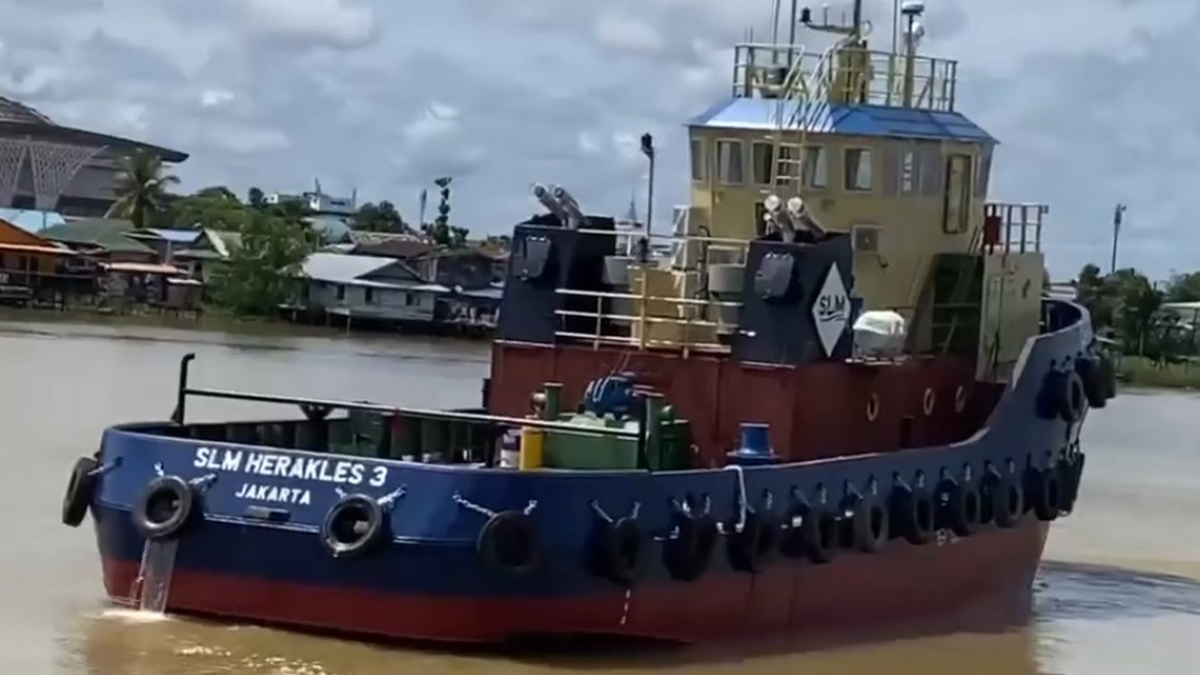
According to S&P Global Sea-web, as of November 2025, 2,438 tugboats worldwide had been scuttled, broken up, or were scheduled for demolition, a 0.83% increase from the 2,418 tugs reported in November 2024.
Over the past five years, tugboat scrapping has risen, with a 56% increase since November 2020, with the main reason for scrapping being the high cost of repairing older or damaged vessels.
Propulsion types
Of the available tugboats for sale, 12% (26 vessels) were less than 10 years old or were newbuilding re-sales or currently under construction, including triple-screw newbuild resales for delivery in the US in 2026, while 18% (39) were over 50 years of age.
Of Marcon’s sales listings, 61% were conventional twin-screw tugs, 22% had azimuth thrusters, 10% were single-screw tugs and 6% had Voith Schneider propulsion.
In terms of machinery, 28% of the tugs Marcon had identified as available had Caterpillar main diesel engines, 11% had EMD, 10% had Cummins and 10% had IHI’s Niigata engines on board.
Outside of individual sales, several corporate transactions saw fleet ownerships change during 2025. This included Maritime Partners acquiring Centerline Logistics and West Gulf Marine, Moran Towing purchasing Bisso Towboat, and Redwood Holdings acquiring Canal Barge Co, all in the US.
Other major transactions involved Boluda acquiring the Australian operations of Smit Lamnalco, Svitzer purchasing a 66.6% stake in Buksér og Berging and SAAM taking the remaining 30% of Intertug.
Global fleet
Newbuild deliveries had swelled the worldwide tugboat fleet to 23,470 sea-going tugs of more than 100-gt in November 2025, up from 22,400 in November 2024 and 19,950 in Q4 2020, according to S&P Global Sea-web’s online ship register, quoted in Marcon’s report.
Demand for tugboat services has risen in the past five years as shipyards completed larger dry cargo and container ships and oil and gas carriers, while ports expanded to accommodate these ultra-large vessels.
This necessitated more powerful tugboats operating in harbours and terminals worldwide, with higher rated propulsion and winches to handle more complex port operations.
The largest national fleet of tugs over 100-gt is under Indonesian flag, with 7,890 tugs in November 2025 and domestic shipyards building more than 100 in 2025. Indonesia’s dominance in the global tug fleet is particularly due to the nation’s archipelagic geography, with 54,720 km of coastline, and bustling ports.
The US has the second largest national fleet of tugs, with 1,450 over 100-gt listed, over half being twin-screw tugboats, operating in multiple ports and new terminals across the nation’s 19,920 km of coastline.
Japan has a fleet of 742 tugs under its flag operating in busy ports along its 29,750 km coastline, and South Korea had 620 tugs, many working in the nation’s shipyards and ports.
Malaysia has 530 tugs, India has 525, Panama has 385, Singapore 368 and Turkey 360.
According to S&P Global, the average age of tugs worldwide is 23.2 years (36 years for US-flagged tugboats).
Inland market
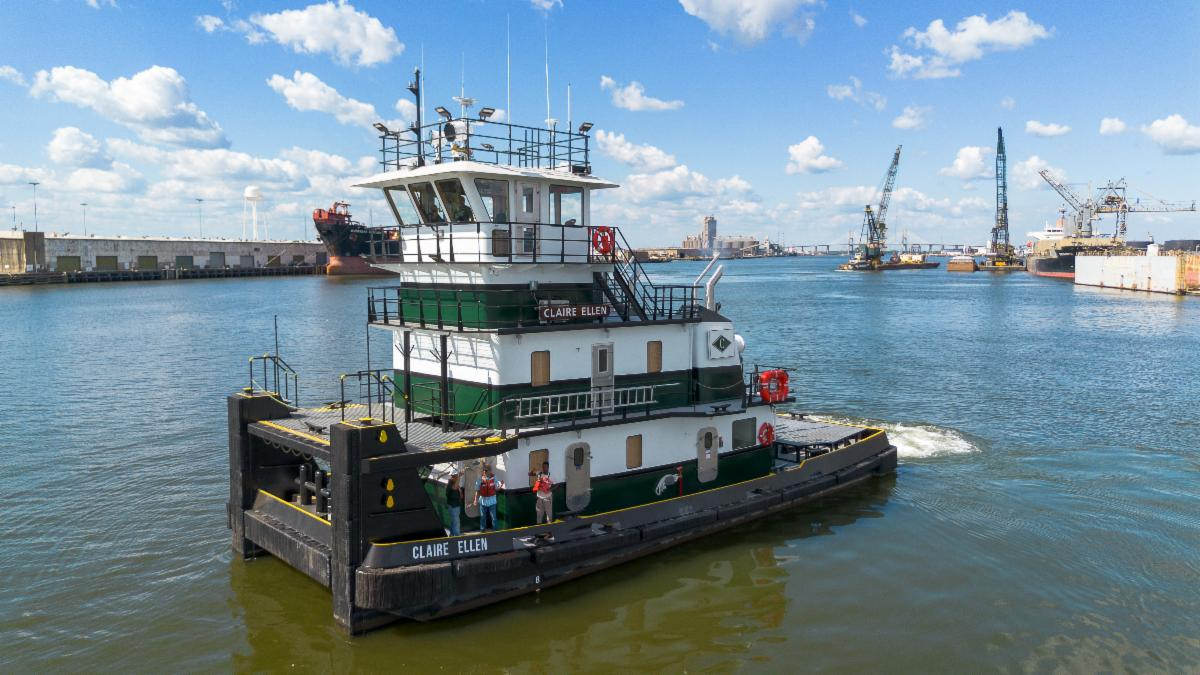
There is even less availability of secondhand tonnage in the pusher tug market, with owners able to repower and upgrade towboats and pushboats and keep these assets working on inland waterways longer.
Of the 810 inland river pushboats that Marcon tracks, just 13 were available for sale in the US and six available for charter worldwide in November 2024.
Two of the publicly marketed vessels were built within the last 10 years and six were over 45 years old, indicating there is very limited modern tonnage being offered to the open market.
This is a marked change from the 23 vessels available for sale in mid-2024 and the 73 available in mid-2020.
“US and international pushboat markets remain structurally tight, with very little modern tonnage openly available for sale or charter and virtually no larger horsepower units [over 3,000 hp] coming to the market,” said Marcon.
“The combination of the shrinking for-sale inventory, high utilisation of larger horsepower units, and modest rejuvenation of the active fleet is clear evidence of a seller’s market, with limited choices for buyers seeking younger or more powerful inland pushboats,” it said.
In 2025, Marcon International completed nine sales and one tow, bringing its total to 1,611 transactions with a combined value of more than US$1.5Bn since 1981.
Its 2025 transactions included a research vessel, a jack-up barge, two inland river pushboats, two twin-screw tugs, an ASD tug, an oceangoing barge and an inland barge. Marcon also arranged for the tow of a barge by a twin-screw tug in 2025.
Riviera’s 28th International Tug & Salvage Convention, Exhibition & Awards will be held in Gothenburg, Sweden, in association with Caterpillar, 19-21 May 2026. Use this link for more details of this industry event and the associated social and networking opportunities.



Related to this Story


Events

Maritime Regulations Webinar Week
 16 Dec 2025
 GMT - ONLINE
Floating energy: successfully unlocking stranded gas using FLNGs and FSRUs
24 Feb 2026GMT - ONLINE
© 2026 Riviera Maritime Media Ltd.


