


Business Sectors
Business Sectors
Events
Contents
Register to read more articles.
Recycling experts divided as regulatory tension and compliance dilemmas loom
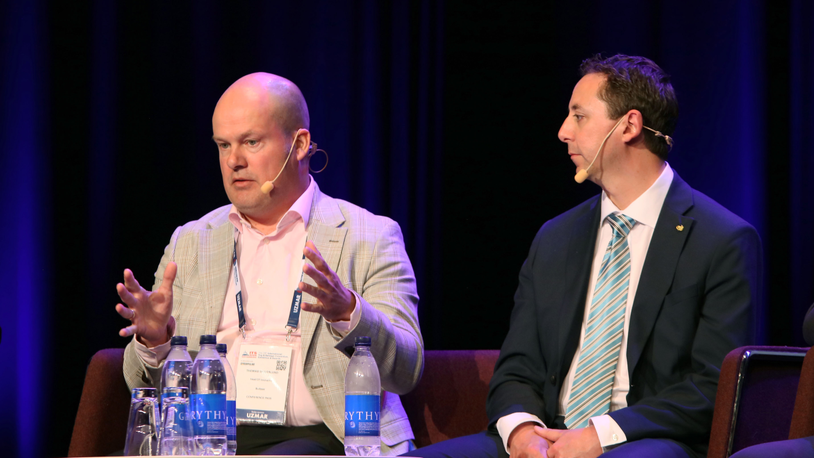
A panel comprising representatives from international organisations, maritime bodies and legal experts reached different conclusions on how best to move forward on a ship recycling regulatory landscape characterised by overlapping jurisdictions and contradictory requirements


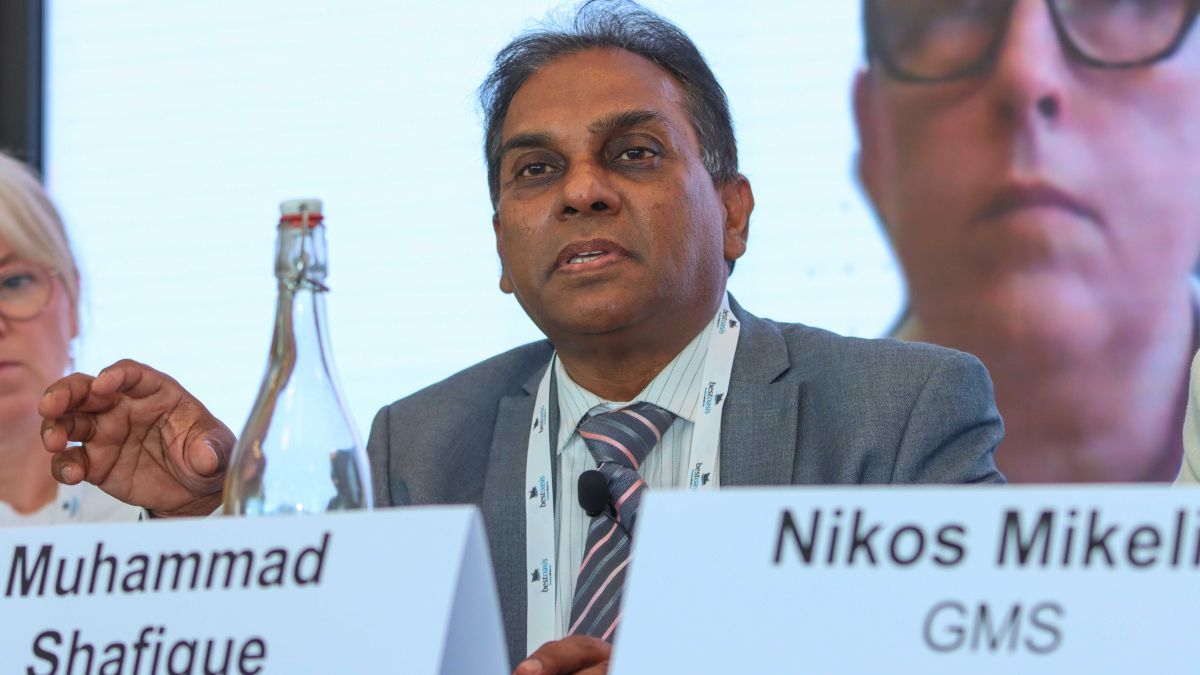
Speaking at Riviera’s Responsible Ship Recycling Forum in London, maritime coordinator for IMSO and IMO, Capt Muhammad Shafique emphasised the need for pragmatic convergence between regulatory regimes. He highlighted growing frustration among ship recycling facilities that have invested in upgrading to EU standards without receiving recognition. "Many yards have applied to EU SSR in India, Bangladesh, some in Pakistan also. They have upgraded their facilities to EU SSR standard but are getting frustrated that none of them has got international EU status for ship recycling," he explained.
BIMCO manager of intergovernmental engagement, Gudrun Janssens, challenged perceptions that the shipping industry favours the Hong Kong Convention because it imposes less stringent requirements than Basel. "The allegation is wrong," Ms Janssens asserted. "We support the Hong Kong Convention because it is changing the face of ship recycling globally. We see changes on the ground that never happened under the Basel Convention."
Ms Janssens contrasted theoretical regulatory standards with practical outcomes, noting while the EU Ship Recycling Regulation claims higher standards, its real-world impact has been limited. "The reality of the Ship Recycling Regulation is that very few ships were recycled under the regulation. The EU has seen end-of-life vessels decreasing majorly," she said, referencing Commission evaluation data.
Programme management officer with the United Nations Environment Programme, Susan Wingfield, provided insights into recent Basel Convention COP17 discussions, where ship recycling emerged as a contentious issue. Ms Wingfield emphasised that both conventions serve the same governmental stakeholders despite their different approaches. "Basel has 191 parties, which means it’s near universal. Hong Kong, being newer, doesn’t have as many state parties, but they’re the same governments. They’re the governments making the decisions," she noted.
The panel addressed the challenging intersection between competing legal frameworks, with Norton Rose Fulbright partner Michael Werner highlighting the dilemma facing European shipowners. "The EU is not an IMO member, so it cannot easily become a member of the Hong Kong Convention. EU law currently sets a different standard from Hong Kong," Mr Werner explained.
Mr Werner also cautioned despite the Hong Kong Convention’s imminent entry into force, EU-based shipowners must navigate their immediate legal landscape. "Shipowners here in Europe must see what the current law is. You can look at risk mitigation, but you have to be confronted personally with the law, which is currently imperfectly enforced by the courts."
GMS’ Nikos Mikelis warned suggestions for both conventions to simultaneously apply would create unworkable contradictions. "Instead of having the best of both worlds, in my view, we have the worst of both worlds," he argued, explaining overlapping jurisdictional requirements would undermine the coherent framework the Hong Kong Convention provides.
Looking to the future, panellists outlined different approaches to resolving regulatory tensions. Mr Werner advocated for the EU to pursue bilateral agreements under Article 11 of its regulations with major recycling states. Capt Shafique pointed to post-implementation amendments to the Hong Kong Convention after its June entry into force as a potential path forward.
Ms Wingfield detailed the Basel Convention’s two-year process for addressing the relationship between the conventions, including an open-ended working group meeting in June 2026 and potential decisions at COP18 in 2027. "All stakeholders are invited to come with comments on the IMO provisional guidance and the interplay of the two conventions," she explained. Dr Mikelis dismissed as "myth" the suggestion the Hong Kong Convention would not deliver tangible environmental improvements.
Sign up for Riviera’s series of technical and operational webinars and conferences:
- Register to attend by visiting our events page.
- Watch recordings from all of our webinars in the webinar library.

Related to this Story


Events

Maritime Regulations Webinar Week
 16 Dec 2025
 GMT - ONLINE
Floating energy: successfully unlocking stranded gas using FLNGs and FSRUs
24 Feb 2026GMT - ONLINE
© 2026 Riviera Maritime Media Ltd.


