


Business Sectors
Business Sectors
Events
Contents

Register to read more articles.
Red Sea crisis drives fuel demand in key bunkering hubs
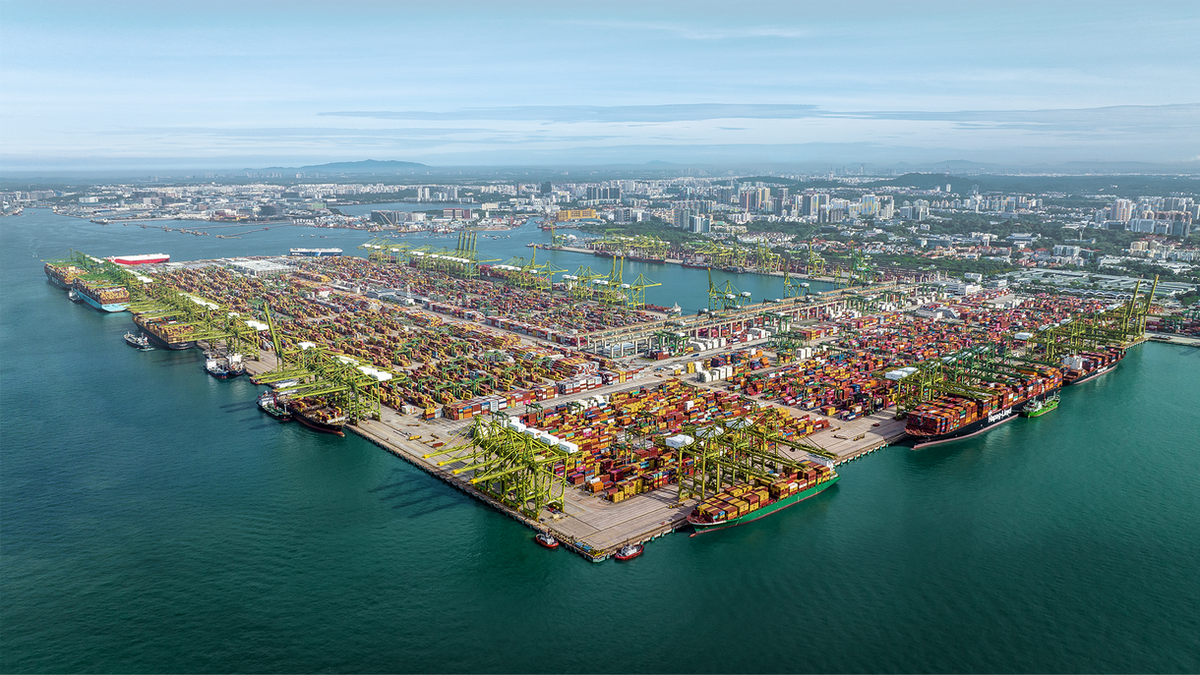
Disruptions in the Red Sea have significantly increased global cargo tonne-miles, leading to a surge in bunkering demand in major hubs such as Singapore, Panama and Fujairah


“Some key African ports saw a surge in bunkering demand around December and January, right after the Houthi attacks began. Ship operators were rushing to load extra fuel to make longer voyages around Africa,” explained Kpler senior oil analyst Roslan Khasawneh.
Mr Khasawneh noted this sudden spike in demand, along with limited fuel supply options, allowed suppliers at these African ports to charge steep premiums. As a result, fuel demand was kept to the bare minimum in those locations.
“Now these shipping disruptions have become the new normal, operators have adjusted and are planning their voyages more efficiently. This has shifted the extra bunkering demand toward major hubs, where reliable fuel supplies are available at competitive prices.” he added.
Record year for Singapore
According to Kpler data, Singapore’s year-to-date bunker sales have risen by 8% compared with last year, reaching 36.4M tonnes, putting the port on track for a record-breaking year.
“Singapore’s bunker sales should continue to grow year-on-year, supported by ongoing shipping disruptions. However, economic challenges and regional price competition could limit some of the gains,” Kpler pointed out.
In August, Singapore’s bunker sales dipped to 4.6M tonnes - a two-month low and a 2% decline from the previous month. Despite this, the August figures still marked a seasonal record. The share of high-sulphur fuel oil (HSFO) in total fuel oil sales remains at a record high of 41%, matching July’s figures.
On the LNG side, Singapore’s LNG bunker sales grew to a two-month high of 46,000 tonnes, pushing the year-to-date total to 301,000 tonnes.
Strong demand in Panama and Fujairah
Panama also posted strong bunkering numbers. According to Kpler, Panama’s bunker sales in August hit a nearly 1.5-year high of 457,000 tonnes, representing a 9% increase year-on-year and a 5% rise from July.
“Like other major bunkering hubs, Panama is seeing an increase in HSFO demand, which is replacing very low sulphur fuel oil (VLSFO) in many cases. In August, HSFO accounted for 33% of total sales, a new record since the IMO-2020 regulations,” Kpler reported.
In contrast, bunker sales in Fujairah experienced a slight 3% decline year-on-year in August, dropping to 656,000 m3. However, sales increased by 6% month-on-month, as shipping activity from the Middle East Gulf picked up to a three-month high, according to Kpler data.
The share of HSFO in Fujairah’s total fuel oil sales stood at 43% in August, down from the record 47% earlier in the year.
“The port of Fujairah still depends heavily on VLSFO imports from Kuwait and Brazil, as domestic production struggles due to the continued absence of Dar Blend crude,” Kpler concluded.
Riviera’s Tanker Shipping & Trade Conference will be held in London, 22 October 2024. Click here for more information on this industry-leading event.





Related to this Story

Events

Maritime Regulations Webinar Week
 16 Dec 2025
 GMT - ONLINE

Floating energy: successfully unlocking stranded gas using FLNGs and FSRUs
24 Feb 2026GMT - ONLINE
© 2026 Riviera Maritime Media Ltd.


