


Business Sectors
Business Sectors
Events
Contents

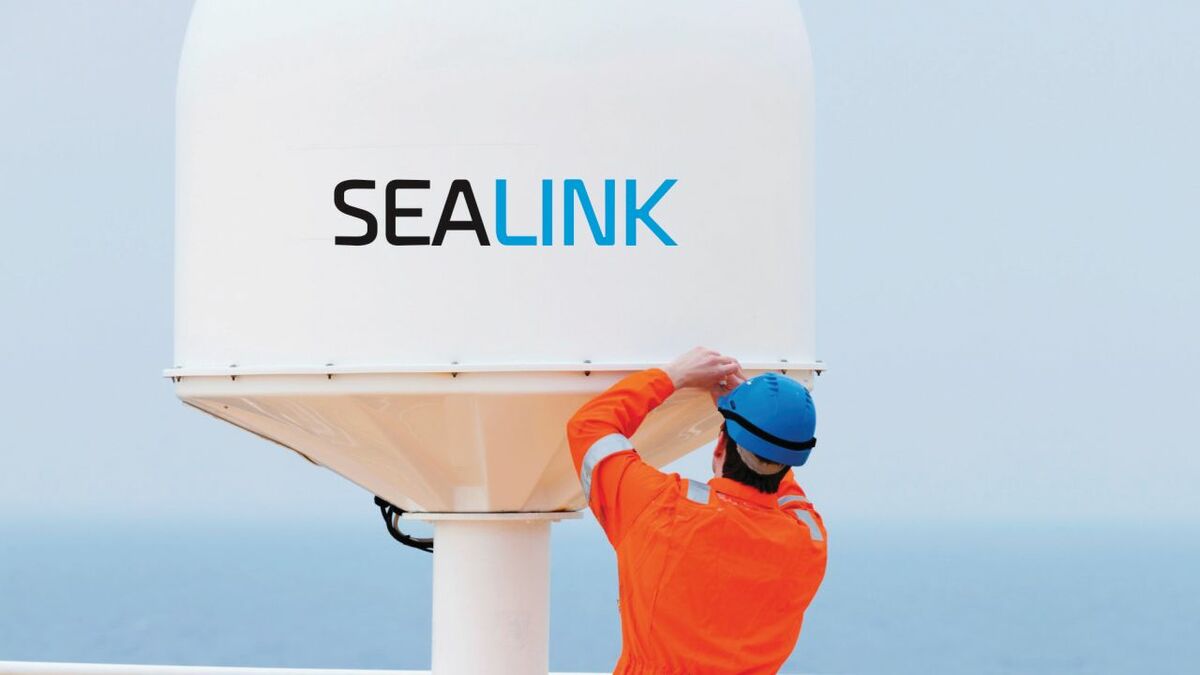
Regional conflicts drive 50% spike in GNSS interference incidents
Ships are at a greater risk of groundings and collisions, and of losing satellite communications due to a huge increase in GNSS jamming and spoofing


A community of ship operators and owners using Marlink’s satellite communications network has reported a significant increase in Global Navigation Satellite System (GNSS) interference.
Marlink has seen a 50% increase in detected and reported GNSS jamming and spoofing incidents in March 2026, compared with February, due to regional conflicts and state-backed electrical interference.
This 50% rise in incidents among Marlink’s customer base is closely linked to evolving geopolitical conditions, particularly in the Middle East, where electronic interference, including jamming and spoofing, is increasingly affecting maritime operations.
Signals from the GNSS, which include those from the GPS, Galileo, Glonass, and BeiDou satellite constellations, support ship positioning, navigation, timing and satellite acquisition across all maritime antenna types, including those used in distress alerting systems.
Low signal strength makes maritime satellite communications inherently vulnerable to local interference through jamming and spoofing, with the potential to disrupt safe and effective operations due to service quality and availability.
“Maritime operators are facing an unprecedented level of GNSS interference in certain regions today,” said Marlink president for maritime, Tore Morten Olsen.
“When positioning is compromised, it can quickly impact both connectivity and safety systems on board.”
Observations during Q1 2026 showed that interference events are no longer isolated but are becoming a persistent feature along key maritime routes.
Operators must adopt a more resilient and informed approach to navigation and connectivity, and take remedial action if GNSS interference is detected.
According to Marlink, practical steps for vessels operating in affected regions include restarting antenna control systems if incorrect GNSS data is detected and power cycling – turning affected terminals off and back on again – where necessary to restore services.
Vessel operators should also verify position against onboard systems and update manually where required, and check GNSS data integrity after exiting interference zones.
Alongside operational guidance, Marlink is deploying resilience measures that strengthen the integrity of positioning, navigation and timing used by satellite communications systems. These include using interference-resistant GNSS reception, filtering and suppressing disruptive signals, and identifying abnormal signal behaviour in real time.
By combining improved signal reception with onboard mitigation techniques and continuous monitoring, these capabilities help maintain stable antenna pointing, accurate positioning and service continuity, even when GNSS signals are degraded or manipulated.
In March, UKMTO Operations Centre reported considerable localised and sporadic GNSS interference in the Persian Gulf, Strait of Hormuz and Gulf of Oman, along with at least 21 physical attacks on shipping.
The regional maritime threat environment across the region is critical, with continued navigation interference and persistent operational disruption to shipping and ports.
Orca AI and Riviera will be hosting a navigation briefing on 30 March 2026 in a webinar: GPS Under Attack: Preparing for a World of Unreliable Navigation. Use this link for more information and to register your interest to attend.



Related to this Story
Events

Maritime Regulations Webinar Week
 16 Dec 2025
 GMT - ONLINE
Floating energy: successfully unlocking stranded gas using FLNGs and FSRUs
24 Feb 2026GMT - ONLINE
© 2026 Riviera Maritime Media Ltd.


