


Business Sectors
Business Sectors
Events
Contents
Rotortugs deployed with eco-friendly fendering
Signet Maritime’s latest tugboats have fenders made from polyurethane, which can be recycled and reprocessed, and are 30% lighter than rubber


Tugboats and workboats are integral to manoeuvring and docking large ships in harbours and terminals, so ensuring they are well-protected is essential for uninterrupted service. Fendering protects the bow and stern of tugs during pushing and manoeuvring operations, while fenders on the port and starboard sides reduce the risk of damage from side contacts.
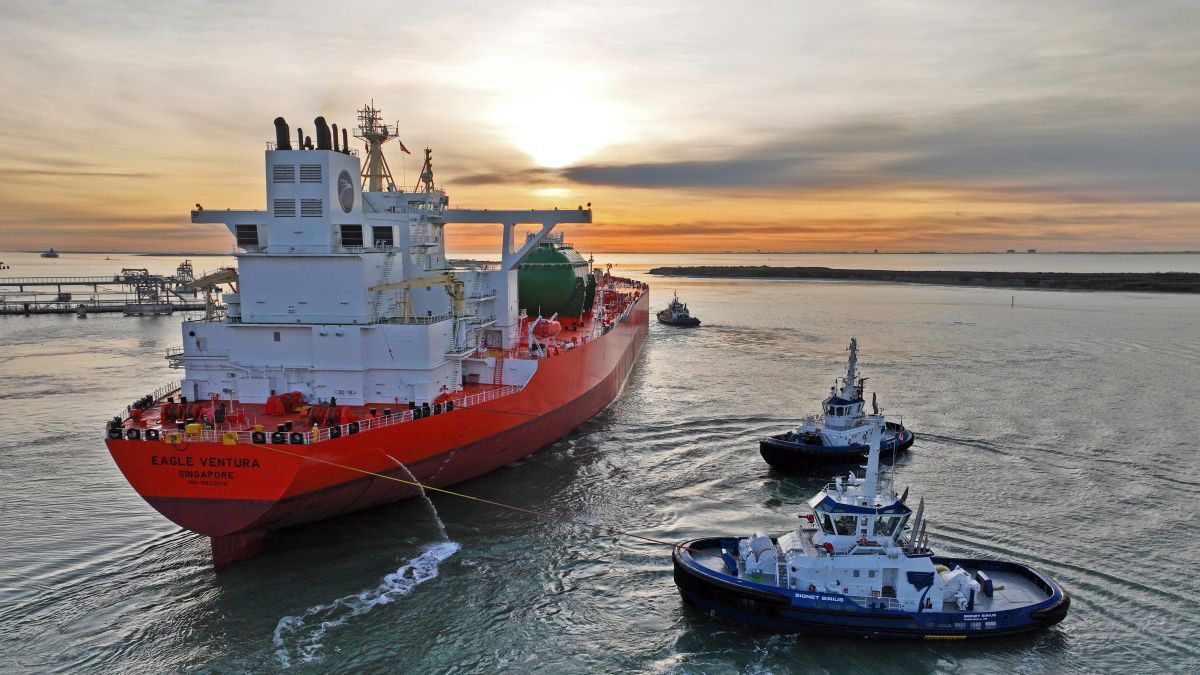
Signet Maritime’s 2024-built Rotortugs, which support ships in ports along the US Gulf Coast, have the latest fendering technology with low weight and high durability.
Its own shipyard, Signet Shipbuilding & Repair in Pascagoula, Mississippi, completed two 299-gt tugs, Signet Sirius and Signet Capella, to Robert Allan Ltd’s advanced Rotortugs 92-32W design, and they are operating in Ingleside, Texas.
These 32-m tugs have 5,760 kW installed power coming from three Rolls-Royce Solutions’ mtu 4000 series engines driving three Kongsberg-manufactured, controllable-pitch Z-drives in a Rotortug propulsion layout providing omni-directional manoeuvrability and a bollard pull of up to 92 tonnes.
Signet Maritime’s 299-gt tugs have a moulded beam of 14 m, a moulded depth of 5 m and a maximum draught of around 7 m. They were designed to escort deep-draught very large crude carriers with durable fenders facilitating efficient docking at oil terminals.
They each have fendering from Cornwall, UK-headquartered Buoyant Works made from eco-friendly polyurethane material, which can be recycled and reprocessed into new products once the fenders are past their use-by date.
This material is 30% lighter than rubber fenders, which lowers fuel consumption, operating costs and therefore emissions, says Buoyant Works manager Tom Cox. Another benefit is it can be recycled. “We are experimenting with ways in which we can recycle old products that have served their purpose. We can remake them to return to the vessel they were on previously as a repaired asset, or make them into an entirely new product,” he adds.
The UK company is replacing traditional cylindrical fenders with the modular layouts of W-shaped and D-shaped fender designs, to deliver performance benefits and overall weight savings.
“Our fenders work harder and under more extreme conditions compared with rubber alternatives,” says Mr Cox. “Their modular approach means small parts are cheaper and easier to replace if required.”
Buoyant Works says benefits of using its fenders include: progressive compression; abrasion resistance five times that of traditional rubber; superior tensile strength and tear resistance properties to alternative fender technologies; non-marking single material construction; a wide hardness range available enabling performance flexibility; consistent production process enabling tight weight and performance tolerances to be achieved; and the availability of custom sections to suit more complex requirements.
Robert Allan undertook extensive analyses and simulations to confirm the suitability of the ART 92-32W naval architecture and worked with Buoyant Works on fendering requirements and design.
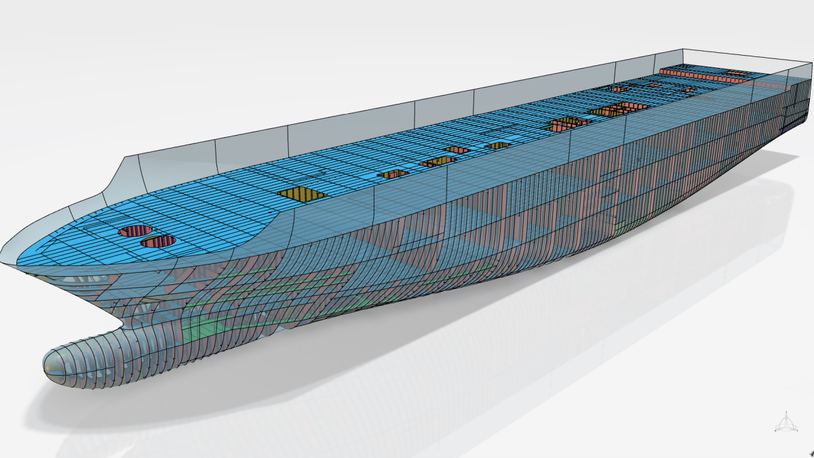
These ABS-classed tugs were the first commercial vessels in US history to be produced using 3D structural models in combination with key plans in design, approval and construction. All future vessels constructed by Signet Shipbuilding will follow the same design regime.
Cylindrical rubber fenders are robust protectors on tugs during ship handling and docking and are an ideal solution for impact absorption, according to Zhenjiang, China-headquartered Tonly Rubber Co. “The cylindrical shape allows for an even distribution of forces, effectively minimising the risk of damage to both vessels.”
Its cylindrical fenders are put through rigorous testing, ensuring they stand up to the challenges of various marine environments. Their positive characteristics include exceptional compression resistance, maintaining their shape and effectiveness over time, resistance to ultra-violet degradation in all marine environments and Tonly’s capabilities for tailoring them to specific tug designs.
Tonly also supplied D-shaped (DD, DO and DC rubber type), W-shaped, SC- and SD-type square fenders, trapezoidal composite and super-arch V-shaped fenders from its facilities in Jiangsu Province.
Riviera’s TUGTECHNOLOGY ‘25 will be held in Antwerp, 22-23 May 2025. Click here for more information on this industry-leading event.

Related to this Story


Events

Maritime Regulations Webinar Week
 16 Dec 2025
 GMT - ONLINE
Floating energy: successfully unlocking stranded gas using FLNGs and FSRUs
24 Feb 2026GMT - ONLINE
© 2026 Riviera Maritime Media Ltd.


