


Business Sectors
Business Sectors
Events
Contents
Register to read more articles.
Salvors prepare for war-zone ship response
Salvage providers and insurance representatives have been sent to the Middle East to assist distressed ships struck by projectiles, despite the heightened risks in a war zone


As more ships are damaged by drones, missiles and unmanned surface vessels, the list of casualties requiring assistance increases.
Several salvage companies have been asked to send people and assets to assist distressed ships across the Middle East, from Iraq to the United Arab Emirates (UAE), but they are concerned for the safety of their personnel and those of subcontractors.
Protection and indemnity (P&I) insurance providers covering these damaged ships are also asking special casualty representatives (SCRs) to fly out to stranded vessels to facilitate their salvage.
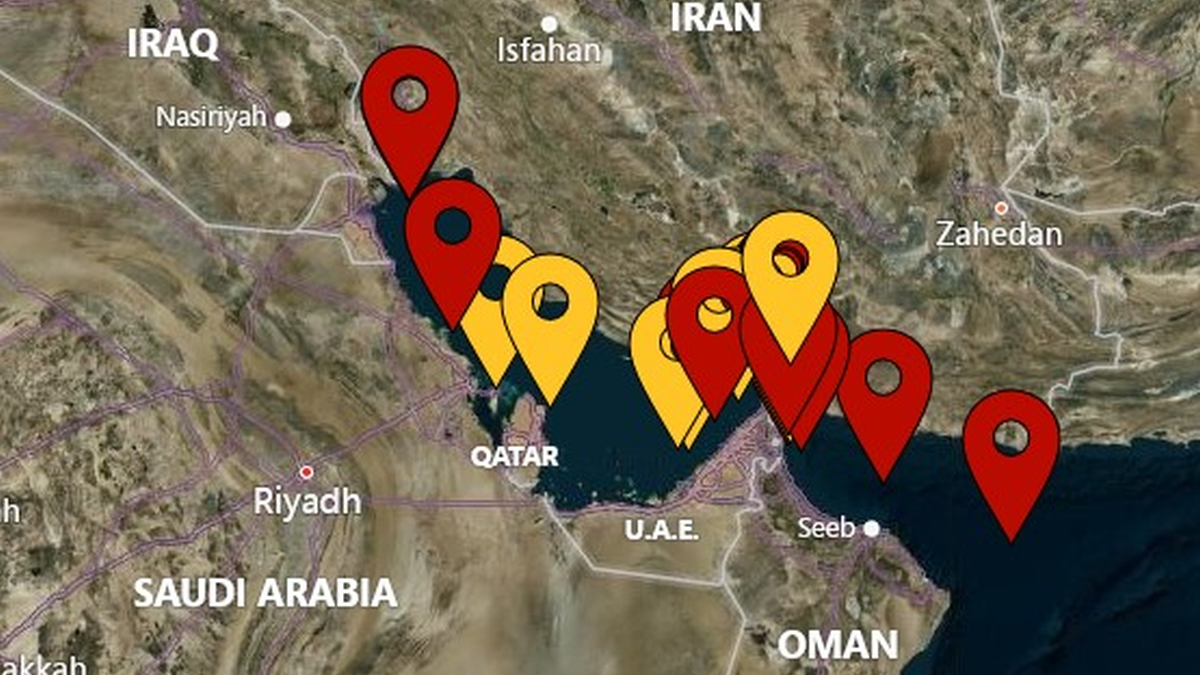
As of 19 March 2026, 22 ships had been struck by projectiles in the Middle East Gulf and off Oman’s coast since the start of the US/Israel-Iran conflict, mostly from Iranian weapons, according to the Royal Navy’s UK Maritime Trade Operations (UKMTO) Centre.
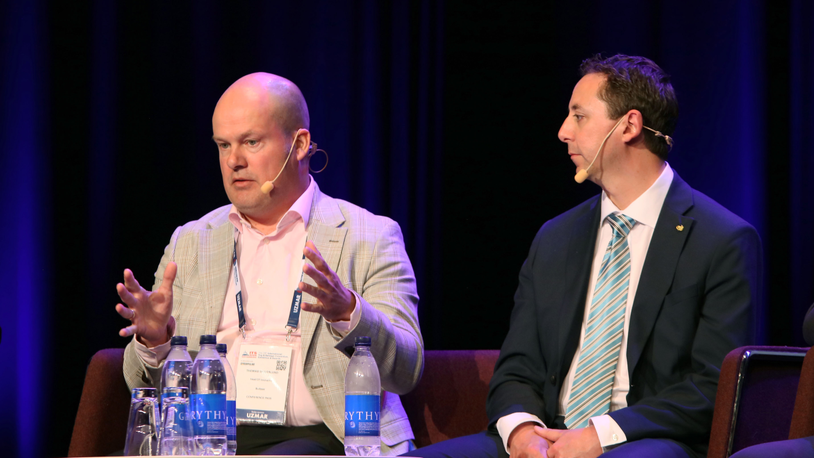
On 18 March at an International Salvage Union (ISU) event in London, UK, salvors and SCRs told Riviera they are receiving requests to assist damaged ships in this warzone, but are reluctant to assist.
One SCR showed Riviera a letter from Iraqi authorities requesting support to deal with a damaged tanker that had been struck by projectiles, causing a fire in its territorial waters.
At the ISU conference, representatives from two salvage companies told ITS how shipowners and governments have asked for support to rescue stranded ships in the UAE and off Oman.
Salvors responding to damaged ships could face danger from Iranian missiles and drones, limiting the viability of what can be achieved while the war continues.
ISU president Leendert Muller said wars are “casting shadows over our industry” as he addressed the association’s members.
“We are in turbulent times, and this has increased due to armed conflicts with human suffering and impacts on global shipping and energy trades.”
He fears for the safety of seafarers trapped in the Middle East Gulf and those providing response services while ships continue to be attacked, and salvors are required to respond.
Four seafarers were killed and three injured when a tugboat from the UAE was destroyed by Iranian projectiles as it was sent to assist a missile-damaged container ship in the Strait of Hormuz.
According to the UKMTO, 2012-built tug vessel Mussafah 2 was struck by projectiles six nautical miles north of Oman on 6 March 2026, as it was steaming to assist stricken Malta-flagged Safeen Prestige, which had also been attacked by Iranian ballistic missiles, 18 nautical miles off Khasab, Oman.
Salvage providers fear a similar fate could befall their seafarers and assets if they are sent to assist damaged tankers, bulk carriers and container ships in the region.
Operations are also impacted by the recent extension of the war zone to incorporate the seas around the Arabian Peninsula, the western side of the Arabian Sea and into East Africa.
This has implications for war risk premiums and the ability of salvage providers to obtain approvals to operate in these areas.
IMO deputy director for the organisation’s marine environment division, Patricia Charlebois, said there have been at least 22 attacks on ships, leaving “several dead seafarers” and damaged vessels.
She said there are about 1,000 stranded tankers and 20,000 seafarers in the Persian Gulf, with no major oil spill yet and huge cost increases for shipowners.
“War risk insurance premiums are up fivefold,” said Ms Charlebois. “If there was a major oil spill, there would be no way to salvage and protect the environment. It would be highly challenging.”
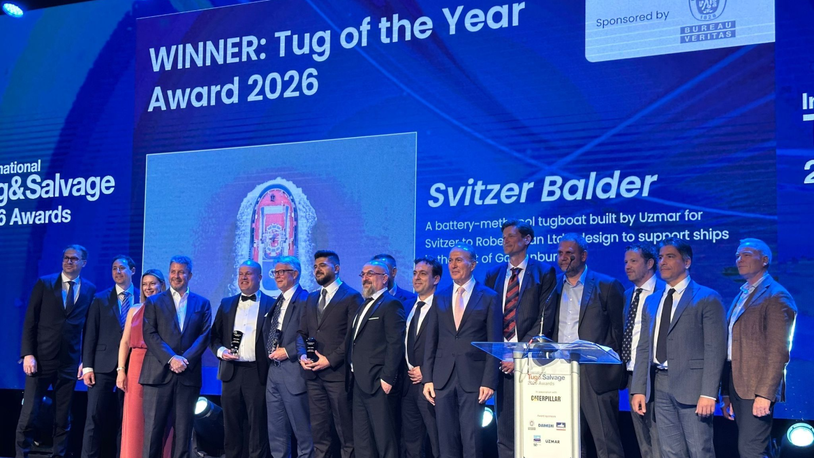
Riviera’s 28th International Tug & Salvage Convention, Exhibition & Awards will be held in Gothenburg, Sweden, in association with Caterpillar, 19-21 May 2026. Use this link for more details of this industry event and the associated social and networking opportunities.
Related to this Story


Events

Maritime Regulations Webinar Week
 16 Dec 2025
 GMT - ONLINE
Floating energy: successfully unlocking stranded gas using FLNGs and FSRUs
24 Feb 2026GMT - ONLINE
© 2026 Riviera Maritime Media Ltd.


