


Business Sectors
Events

Floating energy: successfully unlocking stranded gas using FLNGs and FSRUs
 24 Feb 2026
 GMT - ONLINE
Contents

Register to read more articles.
Slovakia delays new EU sanctions package, seeks Russian gas exemption
The adoption of the European Union’s 18th package of sanctions against Russia has been delayed, as Slovakia pushes for exemptions that would allow it to fulfill an ongoing gas supply agreement with Gazprom


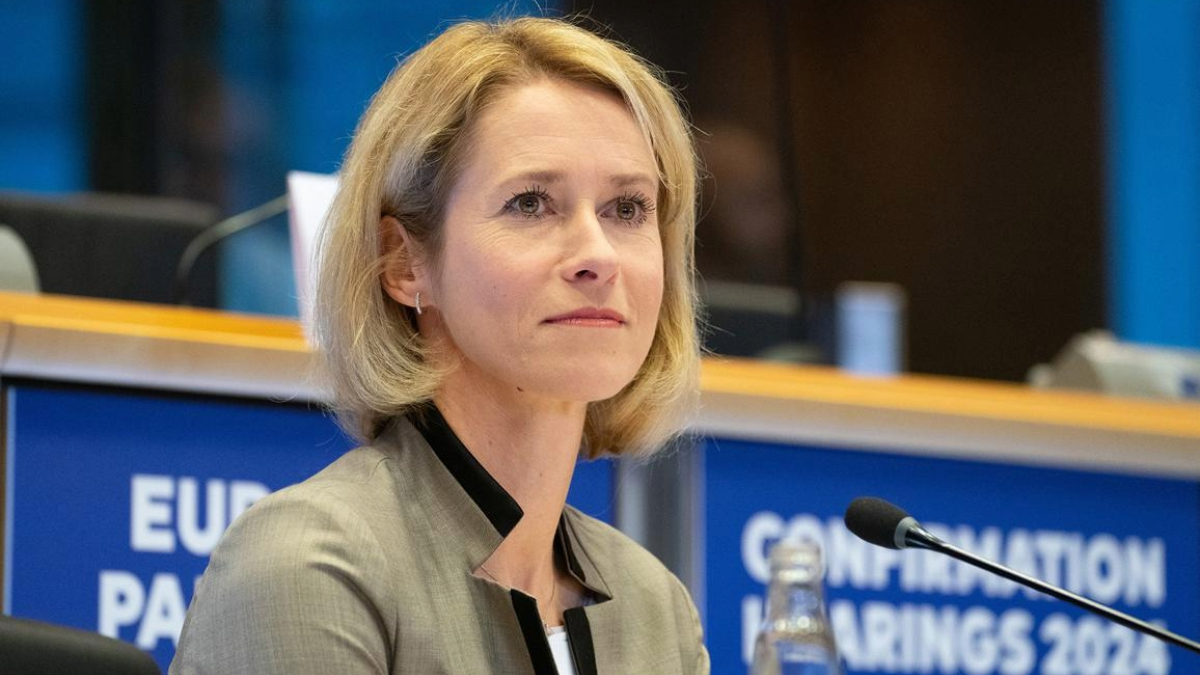
EU foreign policy chief Kaja Kallas expressed disappointment over the delay, stating on 15 July that while she was “sad” the sanctions were not approved, she remains hopeful a deal can be reached. “The ball is in Slovakia’s court,” she added.
Slovak Prime Minister Robert Fico posted on X that the governing coalition “rejects the idiotic proposal from the European Commission to stop Russian gas flows from 2028.”
However, he signalled a willingness to negotiate, stating Slovakia is prepared to seek guarantees that would ensure secure gas supplies beyond 2028.
“The best solution would be to grant Slovakia an exemption allowing it to fulfill its contract with Gazprom until it expires in 2034,” Prime Minister Fico said. Under the current long-term agreement, Slovakia receives approximately 3.5Bn-m³ of gas annually.
EU sanctions packages require unanimous approval from all 27 member states to pass.
Slovakia’s dependence on Russian gas
Since the expiration of a key transit agreement between Russia and Ukraine at the end of 2024, Russian gas flows through Ukraine to Slovakia have ceased. According to Reuters, Slovakia has since been sourcing some of its gas via the TurkStream pipeline and through Hungary.
ICIS senior LNG analyst Alex Froley told Riviera that until January 2025, Slovakia remained one of the few European countries still importing Russian pipeline gas and was hoping those flows would continue.
“Slovakia was also a key transit route for Russian gas passing through Ukraine to Western Europe. That gas would flow through Slovakia’s pipeline system operated by Eustream, which is half owned by the government,” Mr Froley noted.
He added that up to January 2025, Slovakia not only used Russian gas for domestic consumption but also generated revenue by transporting it through its pipelines.
What the sanctions package includes
Riviera reported in June that key measures in the EU’s proposed 18th sanctions package include a ban on imports of refined petroleum products derived from Russian crude oil, along with an adjustment to the existing oil price cap mechanism.
On the latter, Reuters recently noted the European Commission has proposed a floating price cap on Russian crude, set at 15% below the average global market price over the previous three months. The current cap, set by the G7 in December 2022, remains at US$60 per barrel.
The proposed sanctions also include a transaction ban on the Nord Stream 1 and 2 pipelines, effectively prohibiting any EU operator from engaging – directly or indirectly – in activities related to those assets.
In addition, the EU plans to expand its crackdown on the so-called shadow fleet by adding 77 more vessels to its sanctions list, in addition to the 342 ships already targeted.
Sign up for Riviera’s series of technical and operational webinars and conferences:
- Register to attend by visiting our events page.
- Watch recordings from all of our webinars in the webinar library.


Related to this Story


Events

Maritime Regulations Webinar Week
16 Dec 2025GMT - ONLINEFloating energy: successfully unlocking stranded gas using FLNGs and FSRUs
24 Feb 2026GMT - ONLINE
© 2024 Riviera Maritime Media Ltd.


