


Business Sectors
Business Sectors
Events
Contents
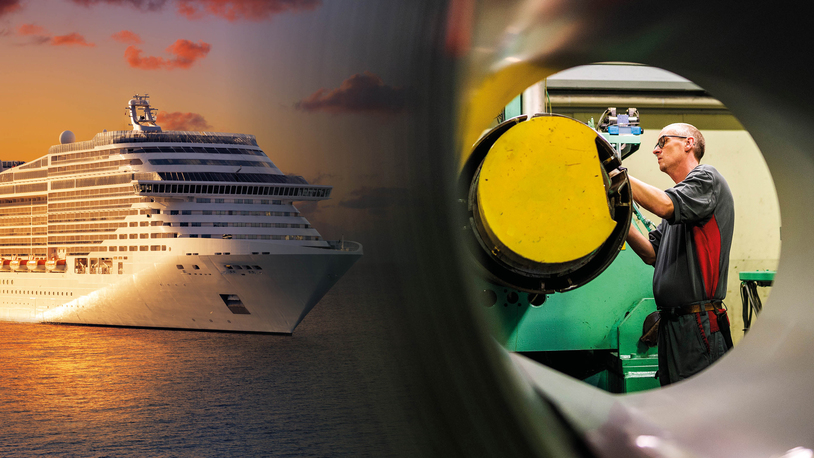
SuperFerry 9 sinking highlights Philippine ferries’ poor safety record


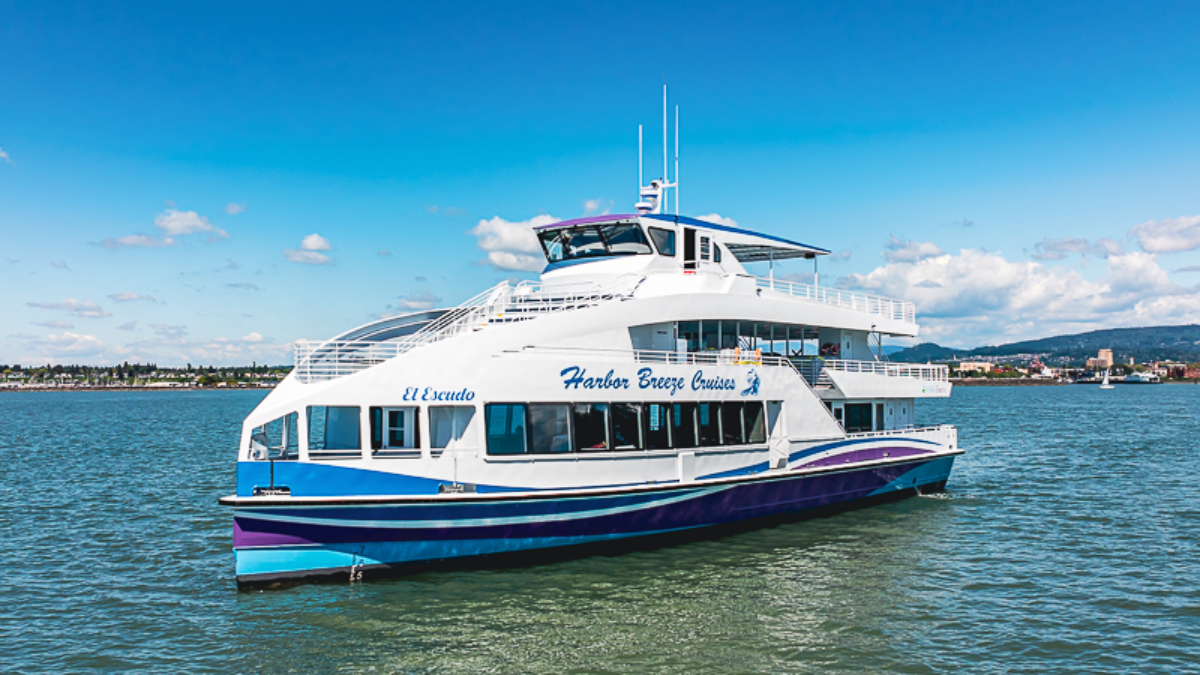
The sinking of the 7,268gt passenger/freight roro SuperFerry 9 (pictured) joins a list of at least 15 major ferry accidents in the Philippines since 1987 which have caused a total of about 5,800 deaths. Nine people died out of the 971 on board SuperFerry 9, which had a passenger and crew capacity of 1,120. The ship belongs to SuperFerry, part of Aboitiz Transport System, and was built in Japan in 1986.
Interferry’s CEO, Len Roueche, told PST: “The Philippines does have a poor safety record. In most developing countries it appears that one of the main problems is the lack of resources or political will to enforce the regulations. Interferry and IMO are working on a joint ferry safety project in Bangladesh. Once we have achieved significant results there it is our intention to extend the project to other developing countries. The Philippines and Indonesia are high on our list.”
However, Mr Roueche commented: “I do know that SuperFerry has a very good safety record and has operated to high standards, including implementing the ISM Code. This is not a requirement for them since they operate domestic routes and are not subject to the international standards set by IMO.”
SuperFerry 9 departed General Santos City at 20:45 local time on 5 September and was due to arrive in Iloilo at 04:00 the next morning. However, at 02:00 the vessel started to list to starboard in the vicinity of Batarompon Point, and finally sank at about 09:00. The Philippine Navy and Coast Guard assisted with the rescue, and two cargo ships also aided stranded passengers.
SuperFerry’s executive vice president and CEO, Ava Engel, told PST that “initial investigations into the accident are underway”. She does not believe that it was a recurrence of the engine problems which plagued the vessel during the past few years and dismissed reports of a cracked hull: “The ship only underwent maintenance last year.” Commenting on the Philippine Government’s investigations of SuperFerry’s fleet she said: “We have people on board inspecting the vessels. They are checking that the documentation is all in order, but they are trying not to disrupt our operations.
“There might be delays but the vessels will sail. As far as we’re concerned it’s business as usual. All of our vessels are properly certified; class societies, one of them being ABS, would not allow us to sail otherwise. Several of our ships have just launched from drydock so we are pretty confident that they will pass these inspections.”
SuperFerry’s vice president for safety and security, Jess Supan, said in a statement that the shipowner has consulted oil experts from Shell Philippines who assured the company that the 220 tons of heavy fuel oil on board will most probably stay inside the vessel’s fuel tanks.
Related to this Story
Events

Maritime Regulations Webinar Week
 16 Dec 2025
 GMT - ONLINE
Floating energy: successfully unlocking stranded gas using FLNGs and FSRUs
24 Feb 2026GMT - ONLINE
© 2026 Riviera Maritime Media Ltd.


