


Business Sectors
Business Sectors
Events
Contents
Register to read more articles.
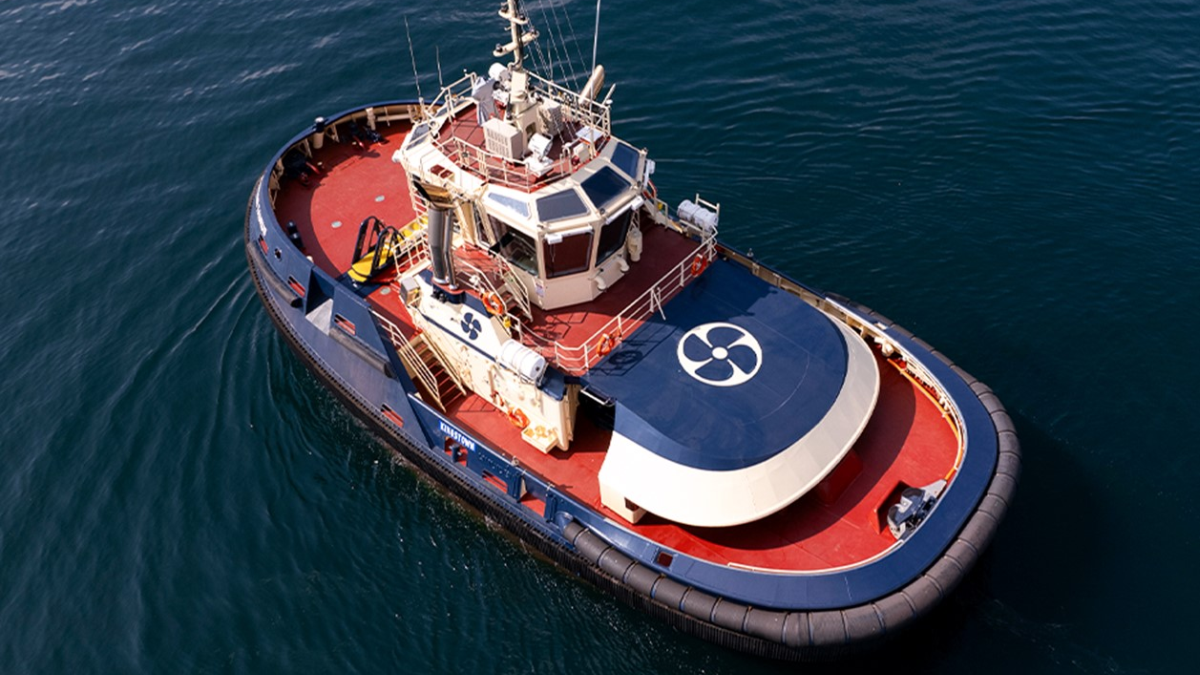
Svitzer sees strong growth in first year after separation from Maersk
Svitzer Group has reported a 9% growth in its revenues from operating the world’s largest tugboat fleet in its first year as an independent Denmark-listed owner


Revenues at Svitzer rose by 9% in 2024, which was the first year the Copenhagen, Denmark-headquartered tug owner operated as an independent company, following its demerger from AP Møller-Maersk in April.
The Nasdaq Copenhagen-listed owner reported revenue of Dkr6,320M (US$915M) in 2024 compared with Dkr5,786M (US$837M) in 2023 when it was a subsidiary of the Danish shipping giant.
This was a higher revenue increase than expected by senior management and analysts, and was due to contract awards, extensions and inflation-offsetting tariff increases.
Svitzer continued to expand its fleet, welcoming the first of several TRAnsverse-design tugs and increasing the number of vessels operating on biofuels.
However, its capital expenditure in 2024 was Dkr981M (US$142M) compared with Dkr1,465M (US$212M) in 2023. This was lower due to fewer growth projects in 2024 than the high levels observed in 2023.
“This, our first year as a listed company, became another year of strong financial performance and strategic progress,” said Svitzer chief executive, Kasper Friis Nilaus. “Based on the successful commencement of commercial contracts won in recent years, timely implementation of tariff increases to offset inflation, and some larger special jobs, we delivered financial results above our initial expectations for 2024.”
Svitzer is a leading global provider of marine services in ports and terminals, operating a fleet of 446 vessels in 143 ports and 40 terminals across 37 countries.
“Despite seeing a slight slowdown in the number of new contracts awarded in the market, we managed to secure several contract wins, including a five-year contract with the Panama Canal Authority,” said Mr Nilaus.
“Moreover, a number of existing contracts came up for renewal during the year, all of which were extended for another period, supporting continued growth.”
Svitzer made good progress on reducing its environmental footprint and emissions, having reduced carbon intensity by 17% in 2024, giving it six years to its target of 50% lower emissions by 2030.
It is introducing tugs built to a more sustainable design with lower fuel consumption, and is running more vessels on biofuels in Europe and the Middle East.
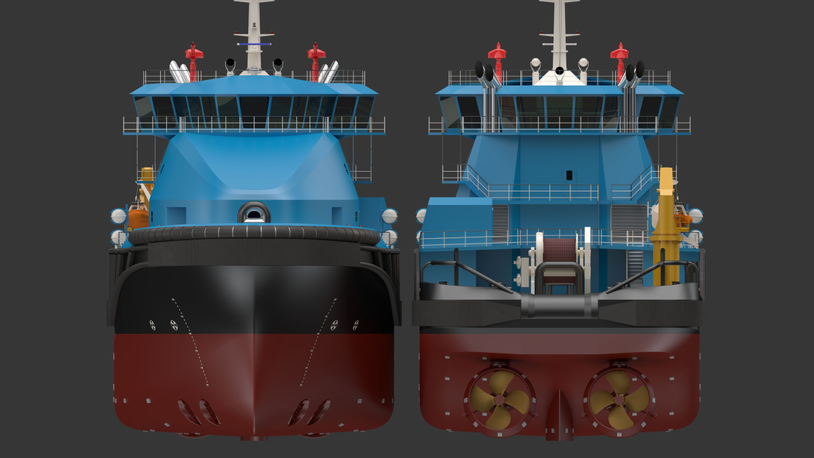
“The first TRAnsverse tug, Svitzer Taurus, successfully entered into operations in the Port of Amsterdam, the Netherlands,” said Mr Nilaus. “As a next-generation multipurpose tugboat, offering highly improved manoeuvrability and escort capabilities, we expect the TRAnsverse tug to be better than conventional tugs at solving many of the towage-related challenges experienced by customers and ports today.”
Svitzer said most of the tugs it operates in the UK run on biofuels and 11 tugs working in the Port of Amsterdam will consume low-carbon biofuels by the end of March 2025, as will three tugboats providing towage services in the Port of Sohar, Oman.


Related to this Story

Events

Maritime Regulations Webinar Week
 16 Dec 2025
 GMT - ONLINE
Floating energy: successfully unlocking stranded gas using FLNGs and FSRUs
24 Feb 2026GMT - ONLINE
© 2026 Riviera Maritime Media Ltd.


