


Business Sectors
Business Sectors
Events
Contents
Register to read more articles.
Tanker shipping weighs up alternative fuels, nuclear options
Industry leaders from SeaTec and OSM Thome assessed operational measures, alternative fuels and nuclear energy as routes to shipping decarbonisation


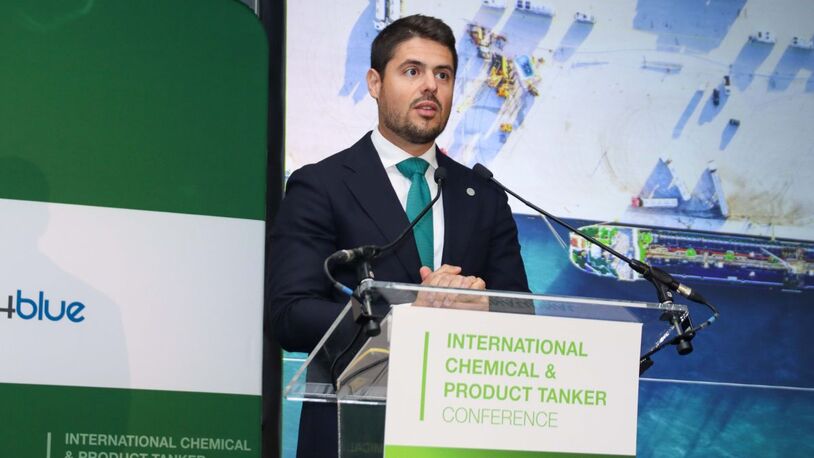
SeaTec managing director Tino Rizzo and OSM Thome business development manager Torbjorn Lie presented diverging but complementary views on shipping’s decarbonisation pathways at the International Chemical and Product Tanker Conference 2025, held in London at the Millennium Gloucester Hotel on 23-24 April 2025
Speaking first, Mr Rizzo emphasised the immediate necessity for operational improvements and energy efficiency measures alongside longer-term fuel shifts.
"We believe the new fuels will be the solution," he said, "but there is a call for action today."
He warned waiting for the availability of low- or zero-carbon fuels risks inaction at a critical time for regulatory compliance and fleet competitiveness.
Mr Rizzo noted while much attention is given to future fuels, substantial reductions in emissions could be achieved through better operational practices, hull maintenance and retrofits.
"The hull is by far the most important element of the fuel consumption," he observed.
Hull fouling, if left unchecked, can lead to increases in fuel consumption of between 10 and 20%, he stated.
SeaTec’s approach is based on assessing each vessel individually, ranking possible improvements by return on investment and operational impact.
"There is no silver bullet," Mr Rizzo cautioned. "Each type of vessel has different needs and requirements."
He further stressed the need for collaboration across the value chain to overcome the mismatch between investment costs borne by shipowners and fuel cost savings enjoyed by charterers, "We should be building the highways together," he said.
Mr Rizzo also flagged future capacity constraints, remarking, "There are not enough shipyards in the world to replace the entire fleet in 20 years," reinforcing his argument for immediate action on the existing fleet.
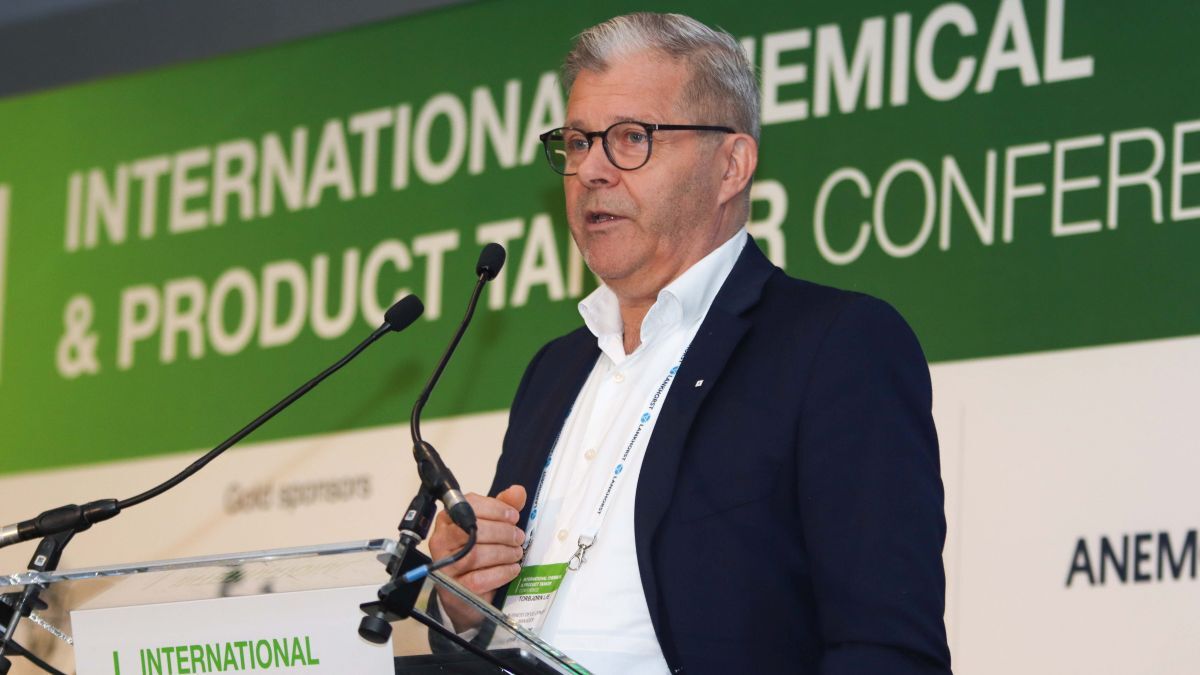
OSM Thome business development manager Torbjorn Lie followed with a presentation advocating for the long-term potential of nuclear propulsion as part of shipping’s energy transition.
Drawing on a study conducted through Norway’s Green Shipping Programme, Mr Lie identified high-temperature gas-cooled reactors, molten salt reactors, and lead-cooled fast reactors as the most promising technologies for maritime application.
"The evaluation of nuclear cannot be postponed or left out of the equation," said Mr Lie.
He argued nuclear propulsion could offer a virtually unlimited energy supply, enabling larger, faster ships without greenhouse gas emissions, although he acknowledged regulatory, public perception and insurance challenges remain formidable.
In discussing feasibility, Mr Lie referenced Savannah, the nuclear-powered merchant ship launched in 1959, and said, "It is proven it can be done."
He forecast that a pilot nuclear-powered merchant vessel could be seen by 2035, provided regulatory frameworks and public acceptance can be addressed in time.
Both speakers independently emphasised the importance of early preparation to ensure shipping remains competitive and compliant.
Mr Rizzo concluded with a pragmatic call to "act now, rather than later," while Mr Lie described nuclear energy as essential if the shipping sector is serious about achieving the International Maritime Organization’s net-zero targets by 2050.
The International Chemical & Product Tanker Conference 2025 was kindly supported by Gold Sponsors ABS, BV, Coach Solutions, DNV and Lankhorst. Silver Sponsors were Anemoi and bound4blue with support from organisations IPTA and INTERTANKO.
Riviera’s Tanker Shipping & Trade Webinar Week will be held from 30 June 2025. Click here to register for this free-to-attend event.

Related to this Story


Events

Maritime Regulations Webinar Week
 16 Dec 2025
 GMT - ONLINE
Floating energy: successfully unlocking stranded gas using FLNGs and FSRUs
24 Feb 2026GMT - ONLINE
© 2026 Riviera Maritime Media Ltd.


