


Business Sectors
Business Sectors
Events
Contents
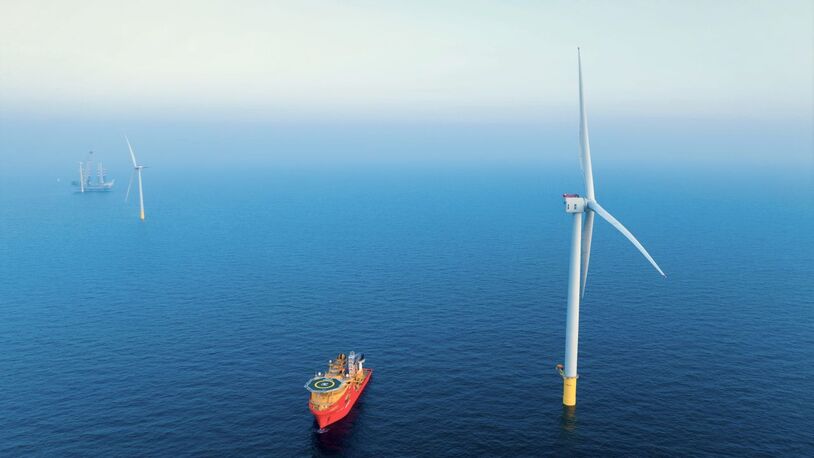
UK cross-party MPs: support offshore workers with energy transition
During a lively debate in the UK Parliament, members from various parties called for more support from the government to deliver jobs in the growing offshore renewable energy sector


Campaigners and members of Parliament (MP) are calling on the UK government to support North Sea oil and gas workers during the country’s transitions towards renewable energy production.
They are demanding the British authorities invest in ports, build up domestic manufacturing capacity for infrastructure and equipment used in the growing offshore wind sector, and set up a dedicated training fund for offshore oil and gas workers.
MPs across the political spectrum urged the government to do far more to prepare the offshore energy industry to transition from production and processing of fossil fuels to delivering renewables for sustainable long-term economic growth.
They want UK authorities to ensure the industry creates sufficient jobs in the renewable energy sector and to support oil and gas workers into these roles with training, something previous governments have failed to do.
Investment is also required for port and harbour infastructure to support offshore windfarm construction and maintenance.
“The government must be bold and turn the dial for North Sea communities,” said Labour MP for Brent West, Barry Gardiner, a former shadow secretary for energy and climate change.
“We can only make Britain a clean-energy superpower if we engage with these workers now and graft their incredible engineering skills into secure new clean jobs in the renewables sector. A just transition must be more than a soundbite.”
Responding to the Parliamentary debate on the issue UK energy minister, Michael Shanks said, “The truth is we should have been planning for this transition a long time ago.”
He provided the example of the closure of the Grangemouth processing plant and refinery in 2025 as an example of where there was insufficient planning for the transition to clean energy.
“We knew years ago that Grangemouth was in a precarious position,” said Mr Shanks. “We should have been planning at that point for the workforce. My driving purpose in this role is to make sure we do not make the same mistake again in the wider North Sea sector.”
MPs also called on the British government to prioritise the needs of workers and communities in the transition, rather than the interests of private oil and gas companies.
Liberal Democrat MP for South Cambridgeshire and spokesperson for energy security and net zero, Pippa Heylings, said the UK government must lead on delivering a fair energy transition.
“Where past governments have failed to, this one must lead,” she said. “Now more than ever, this government must rise to the challenge and strengthen our home-grown energy security - the future of UK jobs, affordable energy and a healthy climate hangs in the balance.”
Speaking during a Parliamentary debate on the issue, the Green Party co-leader and MP for Bristol Central, Carla Denyer, said, “It is high time the government stops betting on the private sector to do the right thing and starts delivering for the interests of workers, communities and the country as a whole.”
She highlighted how the North Sea is a declining hydrocarbon basin where there are limited job opportunities and a disorderly transition. She wants the UK government to “invest in good-quality, renewable-energy jobs and put workers and local communities at the heart of transition planning.”
The British government is currently consulting on how to ensure the energy transition delivers long-term jobs, growth and investment in communities.
However, most of the foundations and wind turbines installed offshore in the UK is manufactured outside of the sector. The average North Sea turbine contains three times as much material from abroad as from the UK.
Sign up for Riviera’s series of technical and operational webinars and conferences:
- Register to attend by visiting our events page.
- Watch recordings from all of our webinars in the webinar library.

Related to this Story

Events

Maritime Regulations Webinar Week
 16 Dec 2025
 GMT - ONLINE
Floating energy: successfully unlocking stranded gas using FLNGs and FSRUs
24 Feb 2026GMT - ONLINE
© 2026 Riviera Maritime Media Ltd.


