


Business Sectors
Business Sectors
Events
Contents
Register to read more articles.
UK insurer introduces joint hull and P&I product
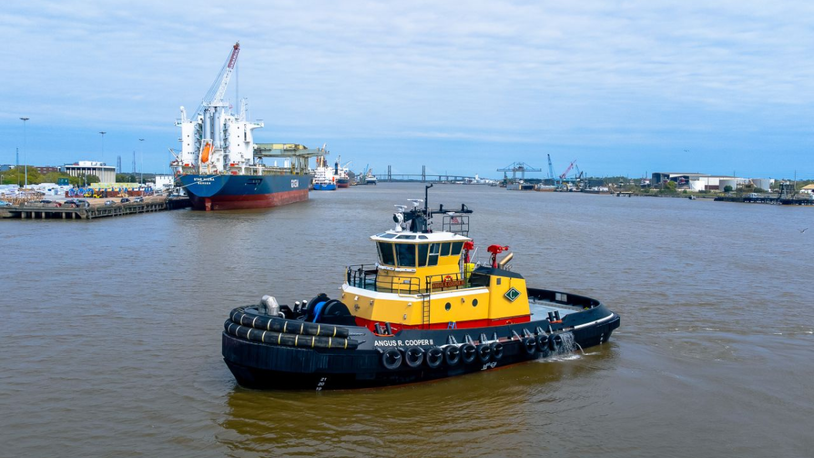
Tugs, workboats, offshore support vessels, shortsea coasters and passenger vessels can access specialised insurance covering hull, machinery and protection and indemnity


NorthStandard has introduced a combined insurance product for small commercial vessels, providing hull and machinery (H&M) and protection and indemnity (P&I) cover as owners increasingly consider alternative fuels and power sources. This product will be available across its global network and will be serviced by its Sunderland Marine and Coastal & Inland teams. It will also include war, loss of hire and other ancillary hull covers and will be bring together claims handling and insurance arrangement under one roof.
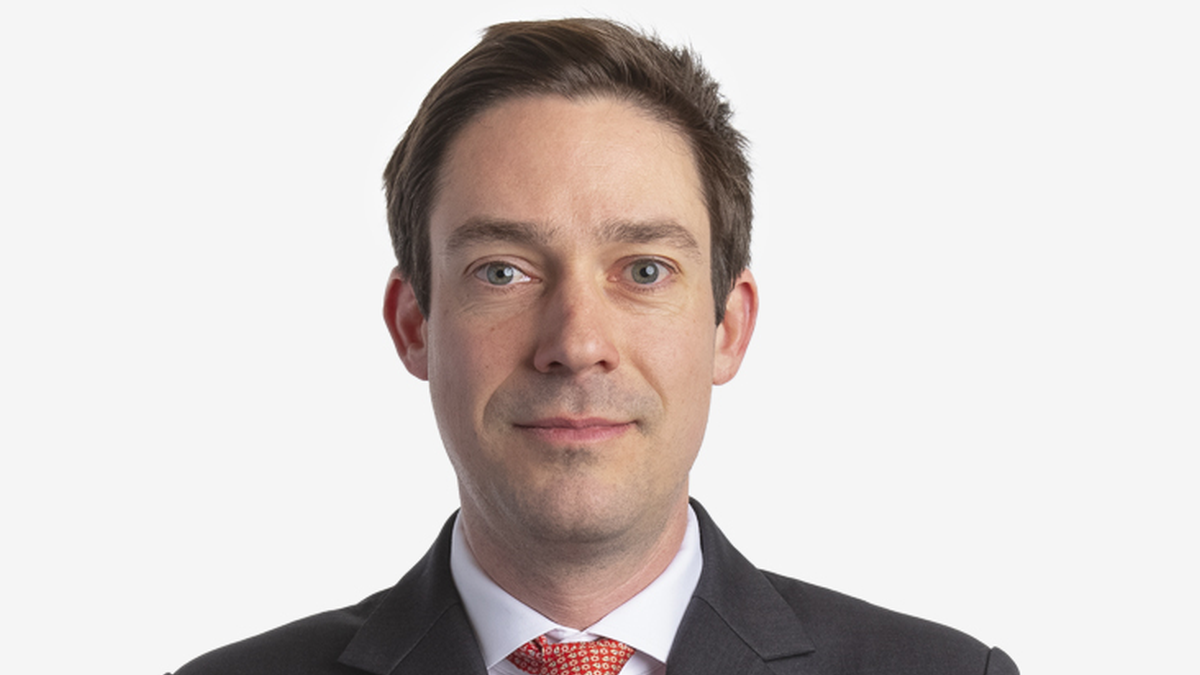
NorthStandard head of Coastal & Inland, Nick Taylor, said the “combined package brings together products and services and trust NorthStandard has established with key brokers and shipowners in the smaller vessel space.”
He confirmed to Riviera this product will be focused on vessels of less than 10,000 gt, and will be available for tugs, workboats, offshore support vessels, shortsea shipping, inland pushers, towboats and barges, and passenger vessels.
Mr Taylor said in the offshore support sector, this product will be most suited to small craft, utility boats and platform supply, windfarm service and crew transfer vessels.
“This one-stop-shop concept will create efficiencies for brokers to arrange insurances for their clients while ensuring they get comprehensive cover,” said Mr Taylor.
Head of Sunderland Marine, Craig McBurnie, said vessel owners will benefit from joint H&M and P&I surveys, through lower costs and less service disruption. Package discounts could also bring owners savings across one or both product lines, albeit subject to agreement from the International Group of P&I clubs “on an account-by-account basis.”
He said NorthStandard has established regional strengths in the small vessel sector, particularly in Europe, while there is growth in Australasia, Asia-Pacific and South America.
NorthStandard’s loss prevention director for decarbonisation, Mark Smith, said there are concerns about technologies and fuels being adopted across the maritime sector to reduce the environmental footprint of vessels, such as the rising use of batteries on small commercial vessels, and biodiesel, biofuel blends, LNG-methane and methanol.
In a presentation, Mr Smith highlighted the benefits, including lower CO2 emissions, and risks with these fuels, such as the toxicity of methanol and ammonia, the explosive condition of hydrogen and cryogenic storage of LNG.
He also talked about the impact of European regulations on vessel investment by owners and operators and ways to reduce risks through crew training.
OSJ week 2025: Join the discussion - the Annual Offshore Support Journal Conference, Awards & Exhibition 2025 will be held in London on 4-5 February 2025. OSJ is the world’s largest forum for vessel owners, operators, shipbuilders, charterers and suppliers across the global OSV sector. Use this link to get tickets and join this prestigious event.
Related to this Story

Events

Maritime Regulations Webinar Week
 16 Dec 2025
 GMT - ONLINE
Floating energy: successfully unlocking stranded gas using FLNGs and FSRUs
24 Feb 2026GMT - ONLINE
© 2026 Riviera Maritime Media Ltd.


