


Business Sectors
Business Sectors
Events
Contents

Register to read more articles.
US Coast Guard to review ports’ incident response capabilities
The US Ports and Waterways Safety Act Board of Inquiry report recommends surveys of vessel traffic services and salvage availabilities to protect national infrastructure


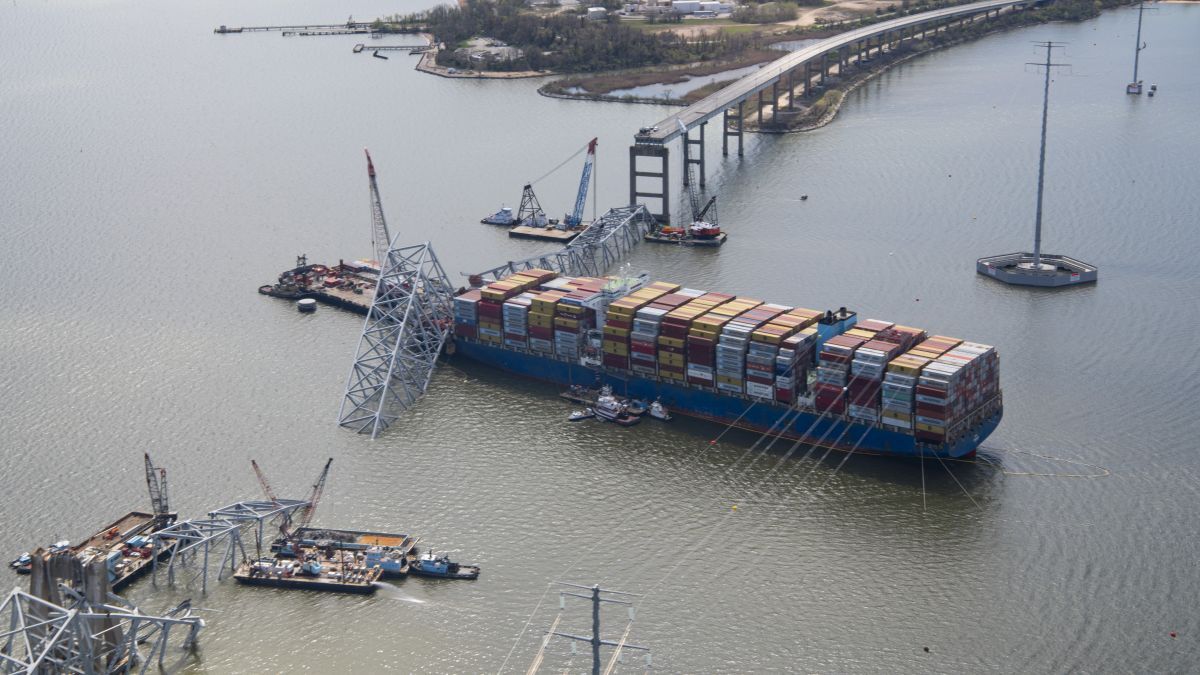
Ports in the US will be mandated to review their preparedness and rapid response plans for dealing with shipping accidents, oil spills and groundings, to prevent future maritime disasters such as when container ship Dali crashed into the Francis Scott Key (FSK) Bridge in Baltimore in March 2024.
That accident destroyed the main highway bridge and shut one of the US’ largest ports for several weeks; it led to the formation of the US Ports and Waterways Safety Act Board of Inquiry (BOI).
The BOI evaluated risks to critical port infrastructure posed by larger commercial vessels and increased traffic, has conducted vulnerability assessments for 12 ports, and has reviewed the effectiveness of US Coast Guard (USCG) waterways risk assessment tools.
In addition, BOI conducted a policy review and gathered feedback from 41 captains of port zones, resulting in 20 recommendations for systemic improvements to risk mitigation and response readiness.
Its report highlighted the vulnerability of port infrastructure to evolving risks within the US marine transportation system (MTS) and a lack of anticipation of risk by port authorities.
“The tragic FSK Bridge incident underscores the urgent need to strengthen our approach to port safety and risk management,” said BOI chair, Rear Adm Wayne Arguin.
“The board’s findings and recommendations provide a roadmap to enhance the resilience of ports and ensure the continued security of the MTS.”
Key recommendations in the report include actions for the USCG and for US ports to improve their readiness, response plans and investment in oil spill recovery and salvage availability.

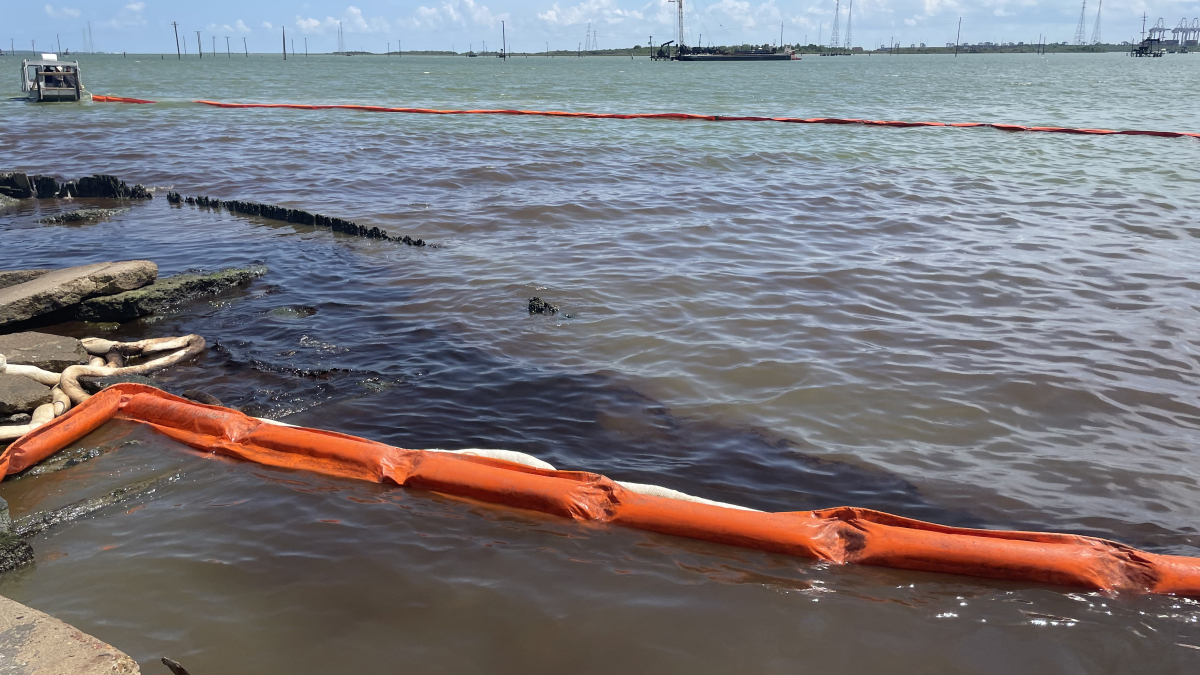
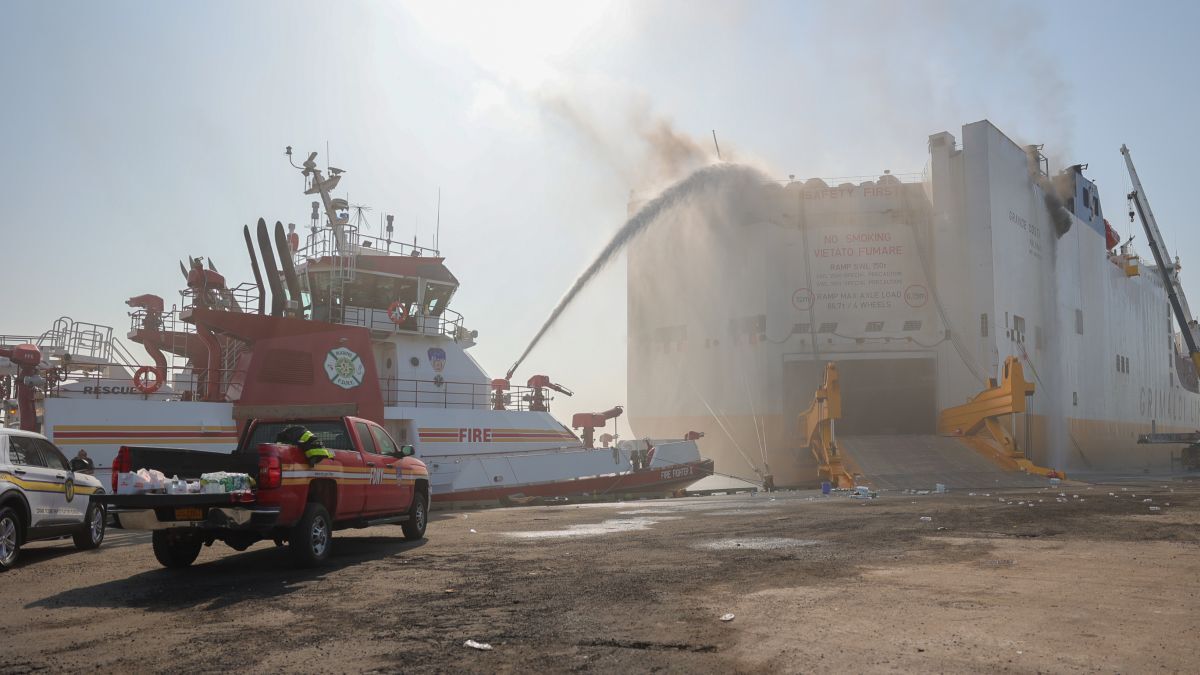
BOI recommended the USCG to review and update its waterways risk assessment policy and tools, develop its workforce to manage and respond to MTS risk, and collaborate with port partners to implement identified mitigation strategies.
Its proposed risk mitigation measures include mandating the USCG to review existing vessel traffic services (VTS’s) cybersecurity compliance and address outdated equipment and capabilities and overdue maintenance.
This review should consider current regulations and policies and ensure adequate resources and training are allocated to manage evolving maritime traffic complexities and maintain safe and efficient navigation.
BOI also recommended the USCG and the Harbor Safety Committee (HSC) lead a review of the industry’s response capabilities to ensure each port has the ability to respond to an incident.
This should include assessing oil spill removal resources, salvage response availability and the efficacy of existing quick response plans.
The USCG’s existing response equipment requirements will be assessed, and any gaps should be identified and rectified.
“This collaborative effort will ensure a coordinated and effective response to port incidents, minimising potential consequences,” said the BOI in its report.
BOI also recommended that waterways analysis and management should survey aids to navigation and upgrade equipment that is outdated and under maintained.
Recommendations to the USCG
Many of BOI’s recommendations were focused on the USCG’s governance, risk assessment policies, personnel training and monitoring of MTS metrics.
One called on the USCG to enhance its communications and collaboration with safety and security risk assessment experts and policymakers, as there are overlaps that are not being communicated and tools that are not being shared.
Another required the USCG to update each waterways safety risk assessment tool’s policy and procedures for relevance and effectiveness, to clarify guidance on navigation risk, port access routes, waterways suitability and their assessment.
“Port-level analyses should provide a more granular understanding of unique challenges and opportunities within individual harbour environments,” said BOI.
The USCG was recommended to evaluate the requirements for, then update and enhance guidance for, conducting and reviewing waterways suitability assessments, particularly for energy terminals.
BOI identified gaps in MTS information and metrics used for risk assessment. It recommended the USCG identify a baseline to assess unintentional risk in the MTS, including data on vessel density, speed and proximity to hazards and incident rates, to form the basis for future risk calculations.
The USCG is to develop an integrated data source for MTS metrics, linking key maritime information on one dashboard to provide a holistic view of MTS risk, compare with baselines, and support proactive mitigation strategies and increase safety.
Each USCG port captain should use the MTS metrics dashboard to identify operational trends in their ports, and the dashboard should be used during changes in command.
The USCG should develop a causal model for MTS risk, identify causal factors contributing to incidents – such as fires and vessel collisions, allisions, groundings and capsizes – and understand contributing factors and potential outcomes across different scenarios.
“A roadmap to enhance the resilience of ports”
Another recommendation called for investment in USCG enterprise systems to directly capture and management MTS risk assessment data, mitigation measures stemming from the HSC, and holistic port reports.
“This integrated approach will enable a holistic, data-driven understanding of risk, fostering improved communication, resource allocation and preventative measures, ultimately enhancing maritime safety,” said BOI.
There should be a central repository of completed and archived waterway risk assessments and a formal governance structure for ongoing maintenance to ensure data integrity and accessibility across relevant USCG programmes and tools. BOI also called for the formation of a portal and centralised database for risk studies and research.
Some of BOI’s recommendations were built on an assessment by ABS in 2023 that requested modernisation of the USCG’s waterways management programme and human-capital strategy.
BOI requested investment in personnel to address critical staffing shortages that hinder effective execution of mandated waterway assessments and jeopardise the USCG’s ability to ensure safe and efficient navigation, and lead to waterway closures due to unresolved safety issues.
The USCG should develop training programmes for waterways managers and risk assessors and specialised courses for MTS risk management.
Riviera will host TUGTECHNOLOGY ‘27 in Rotterdam, the Netherlands, 19-20 May 2027. Use this link for more information and to register.





Related to this Story


Events

Maritime Regulations Webinar Week
 16 Dec 2025
 GMT - ONLINE

Floating energy: successfully unlocking stranded gas using FLNGs and FSRUs
24 Feb 2026GMT - ONLINE
© 2026 Riviera Maritime Media Ltd.


