


Business Sectors
Business Sectors
Events
Contents
Register to read more articles.
Wärtsilä to supply advanced simulation models for methanol, ammonia training
Advanced simulation models will support the training, knowledge and safety of using methanol and ammonia as fuels in Singapore under a new partnership announced at Singapore Maritime Week 2025


With the fleets of ammonia- and methanol-capable vessels growing, Wärtsilä has announced a new partnership that will provide advanced simulation tools for supporting safe operations with these alternative fuels.
Announced during Singapore Maritime Week 2025 (SMW 2025), the Finnish maritime technology provider plans to introduce the Methanol Power and Control (PAC) simulation model in partnership with the Maritime Energy Training Facility and Wavelink Maritime Institute in Singapore.
This simulation model will be used to support maritime professionals in increasing their knowledge and competencies in the operation of methanol-powered vessels.
Wavelink Maritime Institute will be the first MPA-accredited training partner to use this innovative simulation model launched at SMW 2025.
Next year, Wärtsilä expects to launch the Ammonia PAC simulation model to support similar operational awareness for ammonia-powered vessels.
These initiatives are part of the renewed memorandum of understanding between Wärtsilä and the Maritime and Port Authority of Singapore (MPA) to accelerate maritime decarbonisation and digitalisation. The partnership will focus on alternative fuels, optimising digital port operations and developing maritime talent.
MPA and Wärtsilä will join with companies in Singapore’s MarineTech ecosystem to explore R&D projects aimed at lowering the cost of adopting new technologies. These projects will include the Methanol and Ammonia PAC simulation models, plume modelling to enhance safety assessment, and improvements in handling low- and zero-emissions maritime fuels. The goal is to enhance safety procedures for handling, storing and operating these fuels while ensuring the industry’s readiness for new fuel technologies.
Both partners will also work with industry partners and stakeholders to identify the skills needed for methanol- and ammonia-powered engine operations. Training curricula will be codeveloped using advanced technologies and simulation models to improve effectiveness.
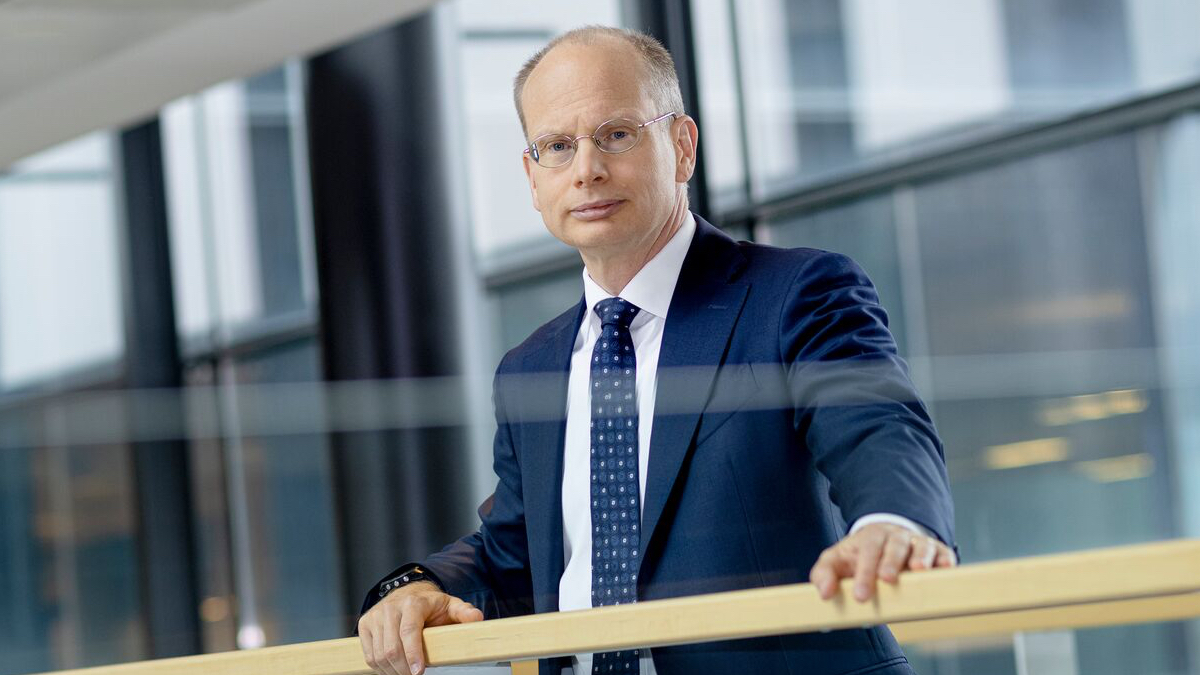
Noting Singapore is the world’s largest transhipment hub and bunkering port, Wärtsilä president and chief executive, Håkan Agnevall, called the renewed MoU and the launch of the Methanol PAC simulation model “significant steps towards achieving our shared goals of decarbonisation and digitalisation in the maritime sector.”
There are 59 methanol-capable vessels in operation and another 329 under construction, and 33 ammonia-capable ships on order and three in operation, according to DNV.
Riviera’s Maritime Decarbonisation Conference Asia, will be held in Singapore, 15-16 April 2024. Use this link for more information and to reserve your place.
Related to this Story
Events

Maritime Regulations Webinar Week
 16 Dec 2025
 GMT - ONLINE
Floating energy: successfully unlocking stranded gas using FLNGs and FSRUs
24 Feb 2026GMT - ONLINE
© 2026 Riviera Maritime Media Ltd.


