


Business Sectors
Business Sectors
Events
Contents
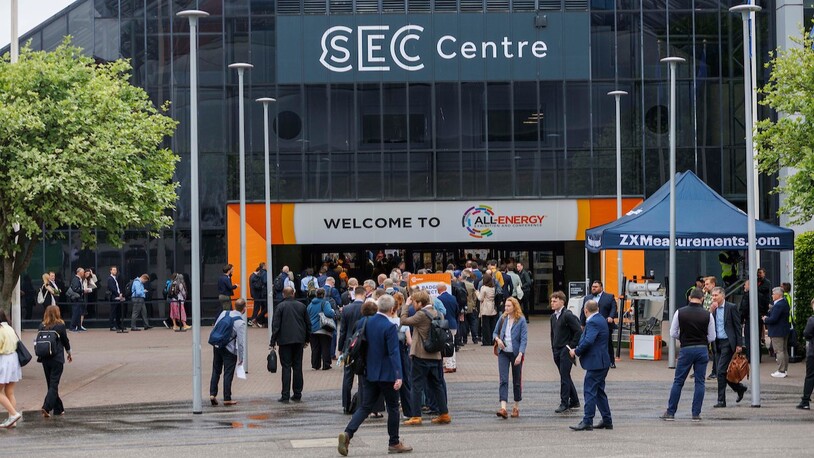
Conference highlights expanding opportunities across the value chain


LNG remains a robust long-term pillar of energy security, offering unprecedented opportunity across the value chain, delegates at this year’s LNG Shipping and Terminals Conference heard.
Substantial and accelerated growth in LNG supply was forecast, expected to trigger the lower prices needed to stimulate new demand, particularly across emerging Asian economies. Lower LNG prices are also driving growth in the FSRU market, creating new opportunities to convert older LNG carriers into FSRU or FSU units.
The solid orderbook extending to 2028 reflects deep confidence in future demand. Fleet renewal is being driven by proactive responses to regulatory change, turning compliance mandates into strategic modernisation opportunities. Key discussions centred on how to navigate the complexities of the EU ETS, FuelEU Maritime and IMO’s Net-Zero Framework to future-proof assets.
BioLNG was recognised as the most cost-effective option for meeting immediate FuelEU requirements, providing a practical pathway to decarbonise fleets. Delegates also examined continuous emissions monitoring systems, which can deliver immediate EU ETS cost savings through more accurate data. Further optimisation is being achieved via AI and virtualisation in route and terminal operations, while wind-assisted propulsion systems, such as rotor sails, are achieving estimated fuel savings of 5–7 tonnes a day on LNG carriers.
Methane slip, which varies widely by engine type and load condition, is prompting manufacturers to guarantee engine performance and accelerate the development of abatement technologies. Solutions under consideration include converting existing engines to spark-ignited gas systems to reduce slip immediately. At the same time, concerns around LNG heavies, the heavier, long-chain hydrocarbons (C6+ compounds) present in LNG cargoes, highlighted the need to standardise testing protocols and address legal gaps in charter parties related to cargo quality. There was also considerable interest in a new approach for safer, simpler, smarter LNG transfer put forward by Trelleborg, built around tighter training, better data and smarter co-operation.
As always, the conference delivered valuable networking opportunities, including a lively drinks reception and dinner. Attendees gave high marks to the conference app, which enabled networking, access to presentations, and live participation in Q&A sessions. Some 267 questions were submitted over the two days.
Riviera’s LNG Shipping and Terminals Conference returns to London in November 2026. Coverage continues year-round online, in print, and through the popular dedicated LNG webinar week. A companion event, The Floating Energy Forum 2026, launches on 14 May in London and will feature a major focus on FSRUs.
To participate in the next LNG Conference, please contact ian.pow@rivieramm.com. For the Floating Energy Forum, please contact bill.cochrane@rivieramm.com.


Comms Navigation






Comms Navigation
© 2026 Riviera Maritime Media Ltd.


