


Business Sectors
Business Sectors
Events
Contents
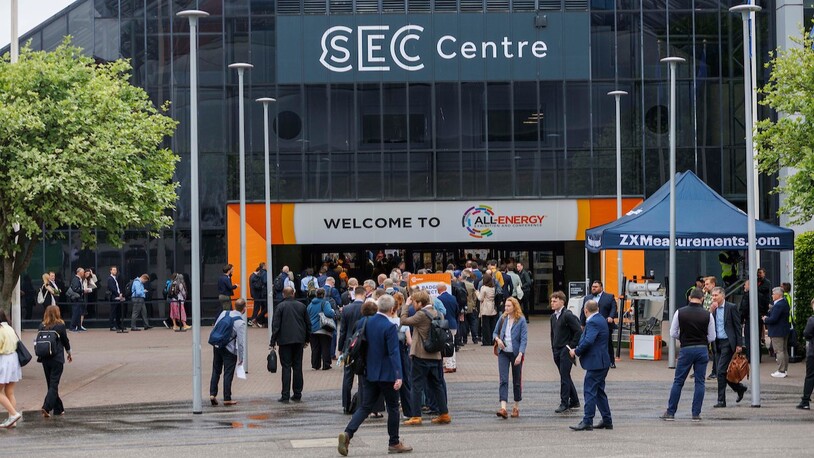
Industry finds opportunity and strategic advantage at Tankers 2030 conference


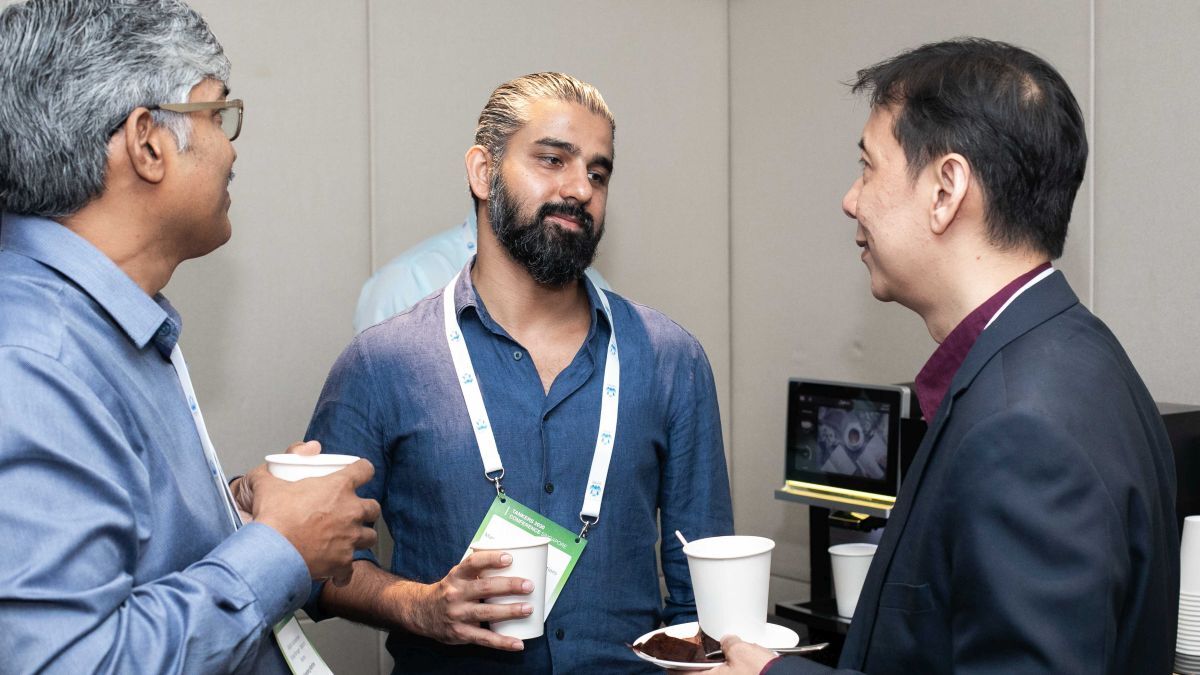
The adjournment of the IMO’s MEPC 83 session might have slowed rulemaking, but at Tankers 2030, it was cast as an opportunity.
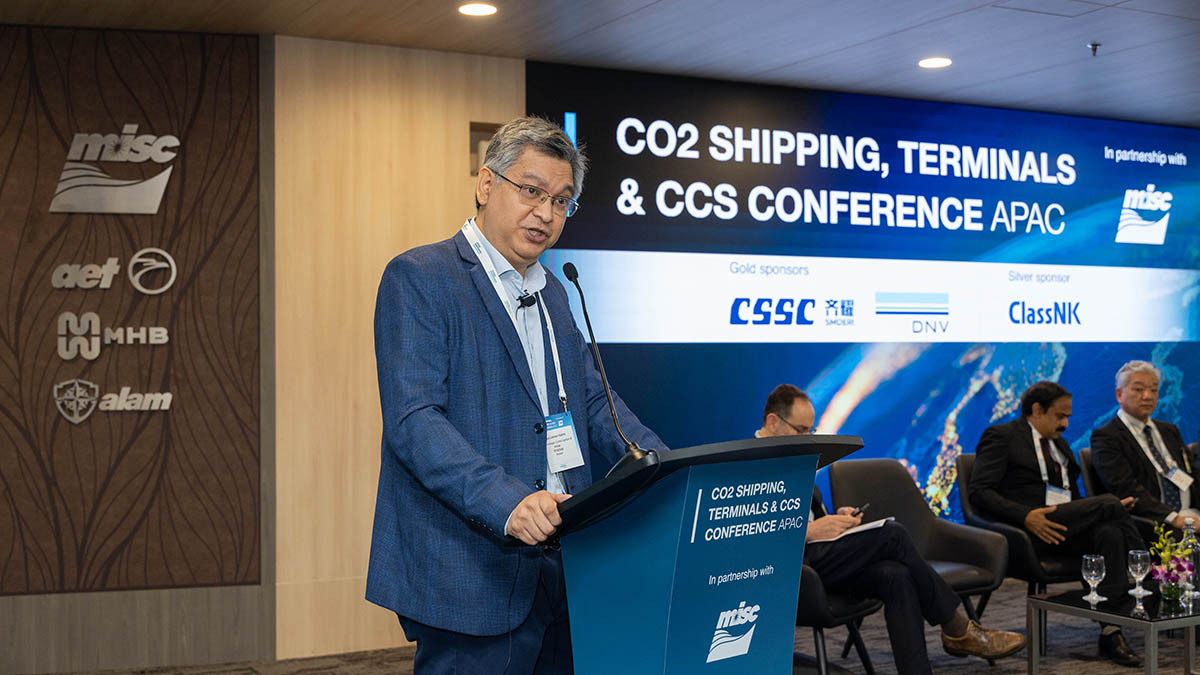
November’s two-day conference in Singapore saw operators, charterers and regulators share how they are turning uncertainty into strategic advantage. Their insights revealed transformation is underway: imperfect, unstoppable and best achieved together.
Other key takeaways from the event spanned the worlds of regulation, operation, technical, commercial and compliance. Here are some selected highlights.
Singapore leads on just-in-time operations
Singapore’s Maritime and Port Authority announced trials for just-in-time tanker operations starting in 2026, following successful container port trials. It was described how synchronising ship arrivals could cut fuel use by 10%–20% while streamlining port operations. The initiative’s significance lies in its collaboration with authorities, operators and service providers, aligning commercial efficiency with environmental responsibility.
India’s maritime renaissance gains momentum
Captain Ankur Arora from Bureau Veritas unveiled India’s strategy to reclaim freight revenues worth US$90Bn currently paid to foreign operators. The government’s plan to build 112 tankers over the next decade, supported by financing reforms, signals ambition matched by capability. Summing up the positive mood music, Capt Arora referenced a Norwegian owner who has placed US$220M of orders for methanol dual-fuel, battery-hybrid tankers at an Indian shipyard that had never built tankers.
Legal clarity on the shadow fleet
Professor Robert Beckman of the National University of Singapore delivered a direct message: the legal tools to curb the shadow fleet already exist. Citing the UN Convention on the Law of the Sea, Prof Beckman explained how coastal states can act against fraudulently registered vessels. His enforcement model, detaining tankers and compelling cargo owners to settle, could turn legal compliance into revenue while protecting marine ecosystems. His argument was clear: co-ordinated action, not new laws, holds the key to restoring order at sea.
Building the next generation of leaders
Anglo-Eastern’s Mission 30 programme drew attention as a model for cultivating young maritime talent. Captain Himanshu Chopra described how the initiative aims for 30% of management roles to be held by under-30s by 2033. Transparent career paths, structured mentorship, and performance-based advancement are already paying off. Female cadet applications have grown from hundreds to more than a thousand annually, showing how inclusivity can expand the talent pool without compromising standards.
Digitalisation without the data chaos
Hafnia’s Pankaj Porwal demonstrated how digital transformation can enable collaboration rather than overwhelm it. The company’s ‘data supermarket’ aggregates information from emails, contracts and invoices using generative AI, allowing teams to analyse data across departments while maintaining specialist oversight. The system’s 152 validation checkpoints ensure data accuracy, illustrating how structure and governance can turn information into intelligence.
Technology keeps hulls (and earnings) clean
Shipshave’s Charlie Lim presented a maintenance innovation with tangible results: in-transit hull cleaning. The system prevents biofouling and improves fuel efficiency by 2%–16% between drydockings. With 150 units already in operation, Mr Lim’s message was simple. Smart maintenance is now a profit centre, not just a compliance measure.
Recognising excellence and leadership
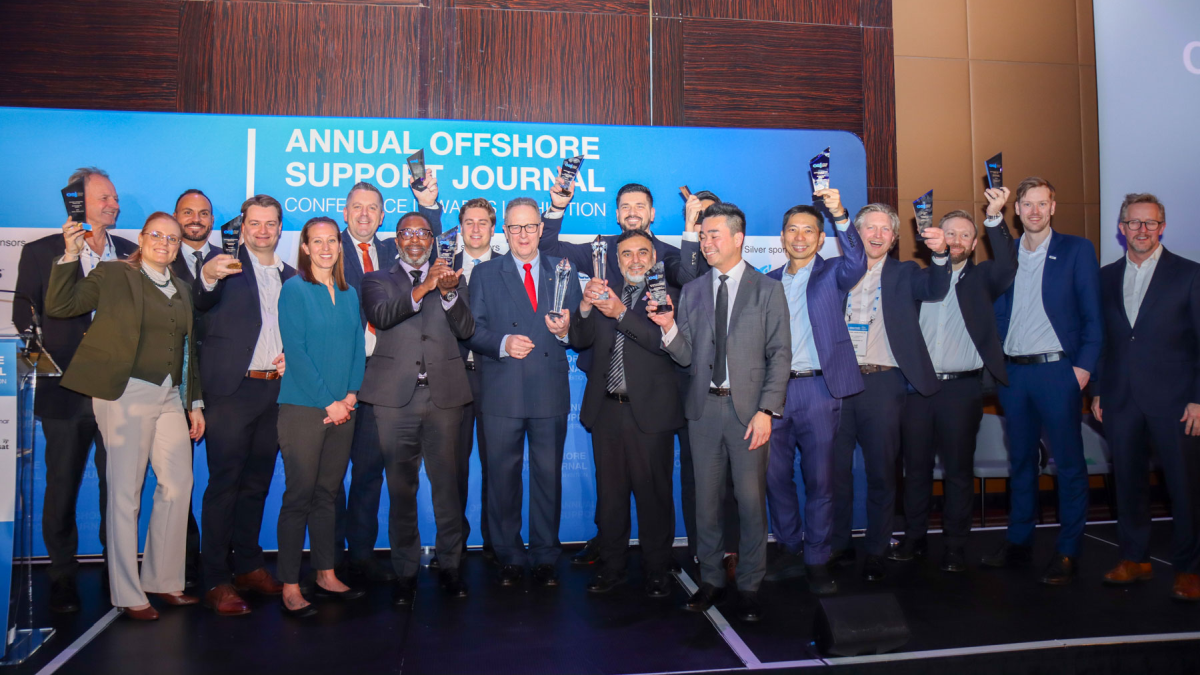
Eastern Pacific Shipping received the award for operational excellence, while Professor Lynn Loo was recognised for transformative leadership through GCMD’s pilot projects, which have charted practical decarbonisation pathways for the sector.
GCMD also used the conference to announce a US$35M Energy Efficiency Technologies fund. This is the first retrofit financing facility using pay-as-you-save repayment. By addressing split incentives between owners and charterers, the fund demonstrates how creative financing can unlock emissions reductions at scale.
An essential conference experience
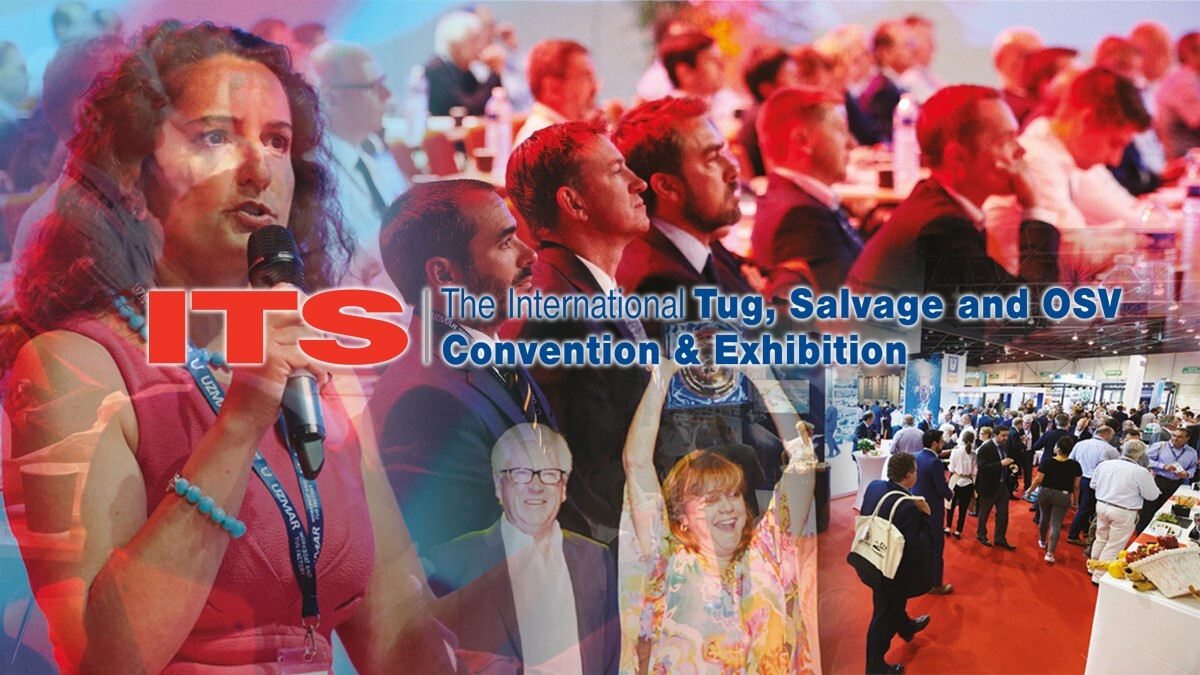
Delegates said the conference value was clear and measurable with excellent networking and branding opportunities. The exhibition area was buzzing with purposeful mixing and commercial dialogue. Especially appreciated was the opportunity to benchmark company programmes and assess the tanker industry’s overall direction of travel. Or as one delegate put it succinctly, "Clarity through conversation is a must for staying competitive."
Riviera’s coverage of the tanker market continues into 2026 online and in print. Next year will see the return of the popular tanker shipping and trade-themed webinar week as well as the International Chemical & Product Tanker Conference in April.
For more information on Riviera’s programme for the tanker industry please email ian.pow@rivieramm.com



Comms Navigation






Comms Navigation
© 2026 Riviera Maritime Media Ltd.


