


Business Sectors
Business Sectors
Events
Contents
Register to read more articles.
Ballast water treatment industry navigates 2024 challenges
The ballast water treatment sector in 2024 grappled with compliance hurdles, technological evolution and operational shifts, reflecting a dynamic, yet complex industry landscape


Compliance drives technological evolution
The ballast water treatment industry faced an eventful year in 2024, with developments ranging from technological breakthroughs to regulatory milestones and lingering compliance challenges.
Across the globe, the maritime sector’s commitment to meeting environmental standards sparked a wave of innovation, industry collaboration, and regulatory scrutiny.
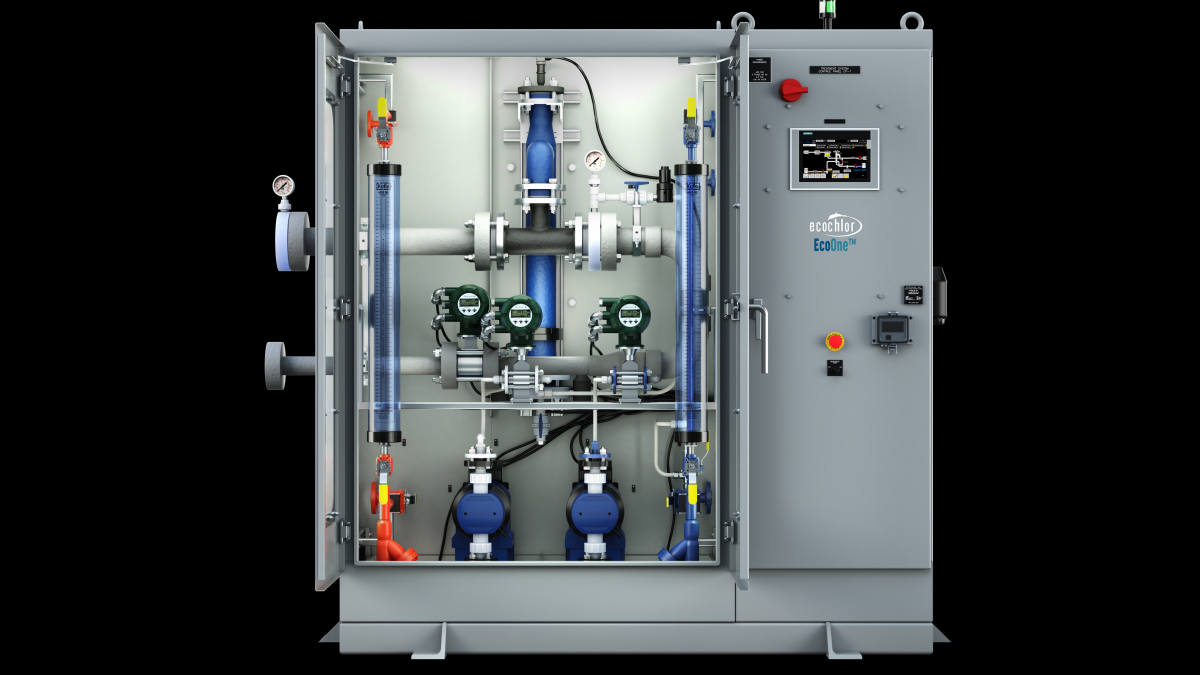
One key area of development was the introduction of new technologies aimed at enhancing the efficiency and reliability of ballast water management systems (BWMS).
Companies focused on addressing the longstanding issues of filter clogging and energy consumption. One such development was the HYCHLOR 2.0 system, which removed traditional filters to simplify maintenance and reduce space requirements.
As its developer explained, “The absence of filters not only eliminates concerns but also results in increased customer benefits by saving installation space and costs.”
Similarly, advances in ultraviolet treatment technology improved performance in challenging water conditions while reducing energy use.
The ongoing struggle with compliance
Compliance remained a central issue in 2024, with various reports underscoring the challenges shipowners face.
For example, failures during commissioning tests were reported at rates as high as 13%, with issues ranging from sediment buildup to improper installation practices.
These failures persist despite industry improvements. As one expert noted during a Riviera webinar, “Crew training is important as is correct calibration to prevent [compliance] failure.”
Regulatory disparities between regions added another layer of complexity for shipowners. In the Great Lakes region, fresh water and low salinity presented unique operational challenges.
One industry observer remarked, “No systems work consistently in the Great Lakes due to extreme conditions.”
Meanwhile, Australia implemented stricter biofouling regulations, bringing it ahead of International Maritime Organization’s progress on invasive species management.
Adoption of shore-based solutions
An emerging trend in 2024 was the adoption of ballast water as a service, which provided shore-based treatment options to mitigate the cost and complexity of onboard systems.
This approach gained traction as an alternative to retrofitting older vessels, with one provider stating, “Shore-based systems can offer compliant discharges without the operational constraints faced by onboard systems.”
However, limited availability and infrastructure investment continued to constrain the widespread adoption of such solutions.
Market consolidation and future outlook
The year also saw a heightened focus on industry consolidation and system replacements, driven by market pressures and the approaching deadline for compliance with IMO’s D-2 standard.
Early system failures and manufacturer exits highlighted the need for more robust options, with shipowners encouraged to learn from past choices.
One executive reflected, “Rather than viewing replacement as a challenge, shipowners should see it as an opportunity to learn from past mistakes.”
As the industry looks ahead, it is clear the interplay between regulatory demands, technological innovation and operational realities will continue to shape the ballast water treatment sector.
While progress is evident, challenges remain, underscoring the need for ongoing collaboration, education and adaptation.
Sign up for Riviera’s series of technical and operational webinars and conferences:
- Register to attend by visiting our events page.
- Watch recordings from all of our webinars in the webinar library.

Related to this Story

Events

Maritime Regulations Webinar Week
 16 Dec 2025
 GMT - ONLINE
Floating energy: successfully unlocking stranded gas using FLNGs and FSRUs
24 Feb 2026GMT - ONLINE
© 2026 Riviera Maritime Media Ltd.


