


Business Sectors
Events

Floating energy: successfully unlocking stranded gas using FLNGs and FSRUs
 24 Feb 2026
 GMT - ONLINE
Contents
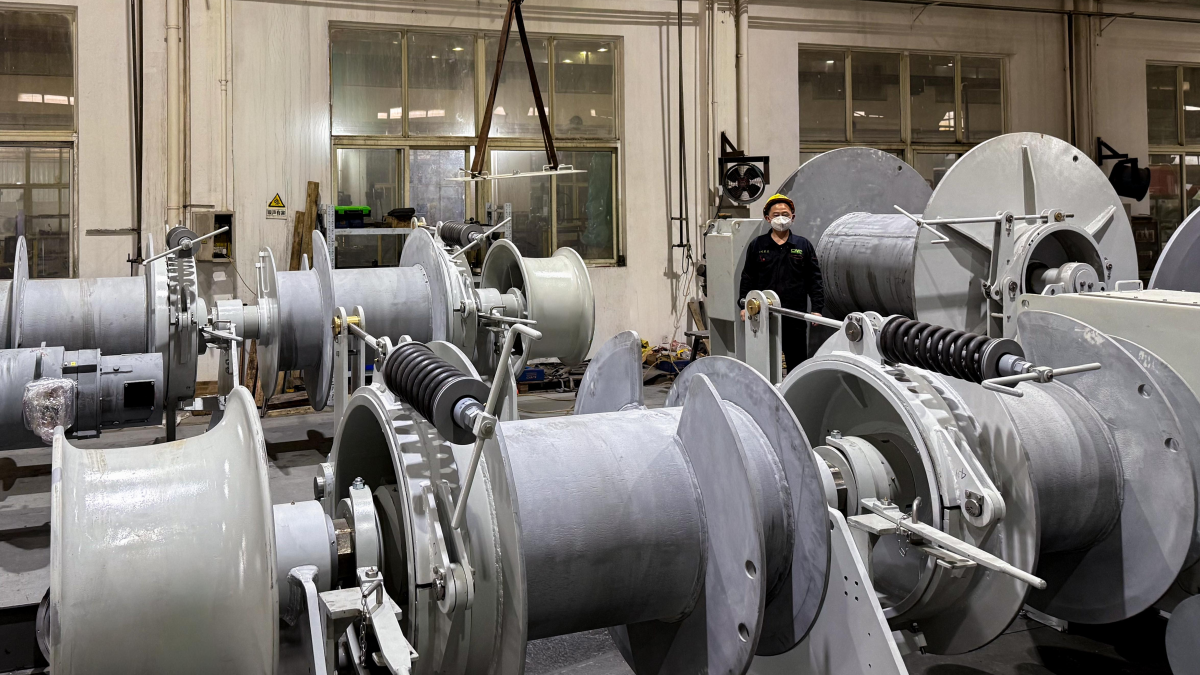
Deck machinery needs enhanced coatings for ship towage
Inspecting surface preparation and coating layers ensures winches are robust and durable in corrosive marine environments


Specialised coatings, recognised by international standards, are required for tugboat deck machinery, especially if exposed to the maritime environment, to ensure they continue operating reliably.
Quality coatings protect machinery from sea, salt and changing climate and weather conditions, minimising the risk of corrosion and maximising uptime during ship towage.
DMT coating quality inspector Florin-Bogdan Buruiana explained the importance of testing and inspecting coatings on tugboat winches to ensure their durability and resilience to corrosion in marine environments.
“The process begins with careful surface preparation, including sandblasting and cleanliness checks to ensure each part is ready for coating,” he said.
“From there, we apply multiple layers of corrosion-resistant epoxy systems, all tested in accordance with recognised standards.”
These standards are set by the International Standards Organisation, Society for Steel Painting Structures, Association for Materials Protection and Performance, American Society for Testing and Materials and the Norwegian petroleum industry’s NORSOK.
Mr Buruiana and his colleagues in the quality department regularly check these coatings. In a LinkedIn video, he said a first coating layer is painted on winches to about 100 microns.
“After curing, they are sent to another hall for machining and brought back for a second layer and the finishing layer,” he said. After a second layer, the coating should be 220-250 microns.
After the three-layer coating is completed, a quality department inspector tests it using different devices to check for pinholes in the coating or issues with coating adhesion.
A level 2–certified inspector, certified by the Professional Council for Training and Certification of Inspectors in Surface Treatment (FROSIO), monitors key steps in machinery coating, including the quality of sand blasting; the environmental parameters before painting; surface conditions and salt-level readings; and wet and dry film thickness measurements.
“These inspections ensure that every coating layer is applied correctly and the final result will deliver long-term durability and performance,” said Mr Buruiana.
“The painting itself is carried out by our skilled team, using specialised equipment to achieve an even application and a consistent finish.
"Their work plays a vital role in protecting our equipment and ensuring reliable performance in challenging conditions.”
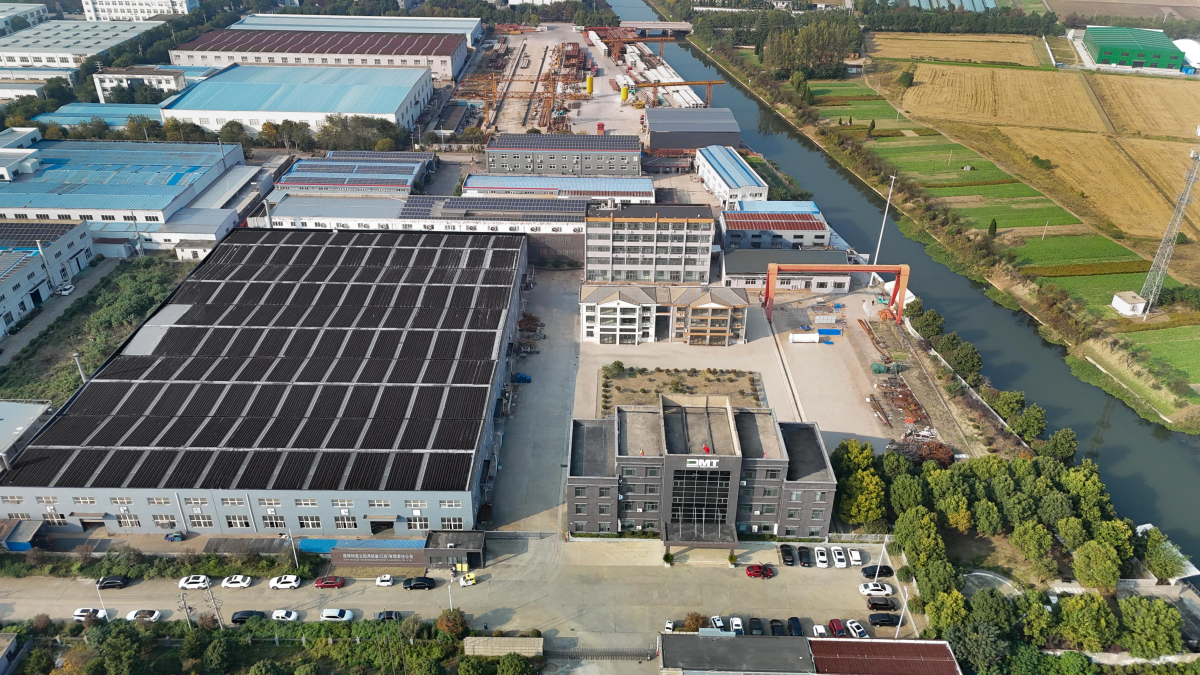
DMT expanded its position in the Asian market in Q4 2025 by opening a new production facility, operated by DMT Hinlee Marine Equipment in China.
This strategic partnership strengthens DMT’s global manufacturing capabilities and improves service to the Asian maritime market, as more tugs are built in China and southeast Asia.
DMT said the production flow at this facility covers the full manufacturing cycle “from steel cutting, metal construction, machining and painting to assembly and testing.”
In the 10 months up to the end of October 2025, DMT produced and delivered 182 winches and 131 additional equipment units, including chain stoppers and capstans.
Several escort-class winches were destined for tugs built to Robert Allan Ltd’s widely used RAstar 3200 W design and advanced Rotortugs to ART 80-32 design.
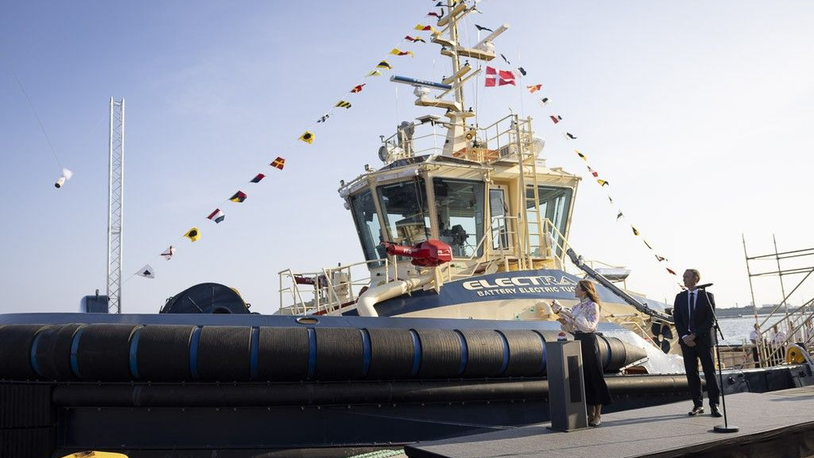
DMT has supplied render and recovery winches for electric-powered tugs built to Robert Allan’s ElectRA designs and RAstar tugs built by Sanmar Shipyards in Turkey.
Other shipyards have installed DMT winches on RAmparts series tugs, and Damen Shipyards has included DMT machinery on its azimuth stern drive tugs.
Winches and ship escort operations will be discussed at Riviera’s 28th International Tug & Salvage Convention, Exhibition & Awards which will be held in Gothenburg, Sweden, in association with Caterpillar, 19-21 May 2026. Use this link for more details of this industry event and the associated social and networking opportunities.

Related to this Story
Events

Maritime Regulations Webinar Week
16 Dec 2025GMT - ONLINEFloating energy: successfully unlocking stranded gas using FLNGs and FSRUs
24 Feb 2026GMT - ONLINE
© 2024 Riviera Maritime Media Ltd.


