


Business Sectors
Business Sectors
Events
Contents
Register to read more articles.
Designing a roadmap for integrated marine power
Advances in hybrid and battery power systems are changing the way tugboat and towboat owners and operators look at onboard power systems


Most of the current fleet of tug and salvage vessels use conventional engines, but the sector is nearing an inflection point in propulsion technology.
Owners and operators are considering alternatives to traditional engines that could fundamentally transform the global fleet.
Among the most significant drivers for change are the need to meet operators’ sustainability objectives and improve efficiency.
“While the goals might seem clear, charting a path forward is not,” said Caterpillar Marine product manager, Will Watson.
“Building or retrofitting a tug or towboat is not as straightforward as it was a decade ago,” he said.
“Owners and operators need safe, dependable and cost-efficient systems that deliver the power necessary to operate in demanding conditions,” Mr Watson added.
“Selecting the optimal power system across the diverse designs and applications complicates fleet planning and power system selection decisions,” he said.
It is essential for vessel owners to realise the best return on their investments on existing and newbuild assets.
“It is crucially important to capture optimal value in the near term and ensure that the decisions made today will continue to deliver savings over the service life of new vessels,” said Mr Watson.
“With so many power options to choose from it is challenging to develop a roadmap to 2050 and beyond.”
A solution involves collaborating with original equipment manufacturers (OEM), naval architects and shipyards for their broad ranges of expertise “needed to navigate this complexity and determine the best systems that balance vessel design and operating goals,” he said.
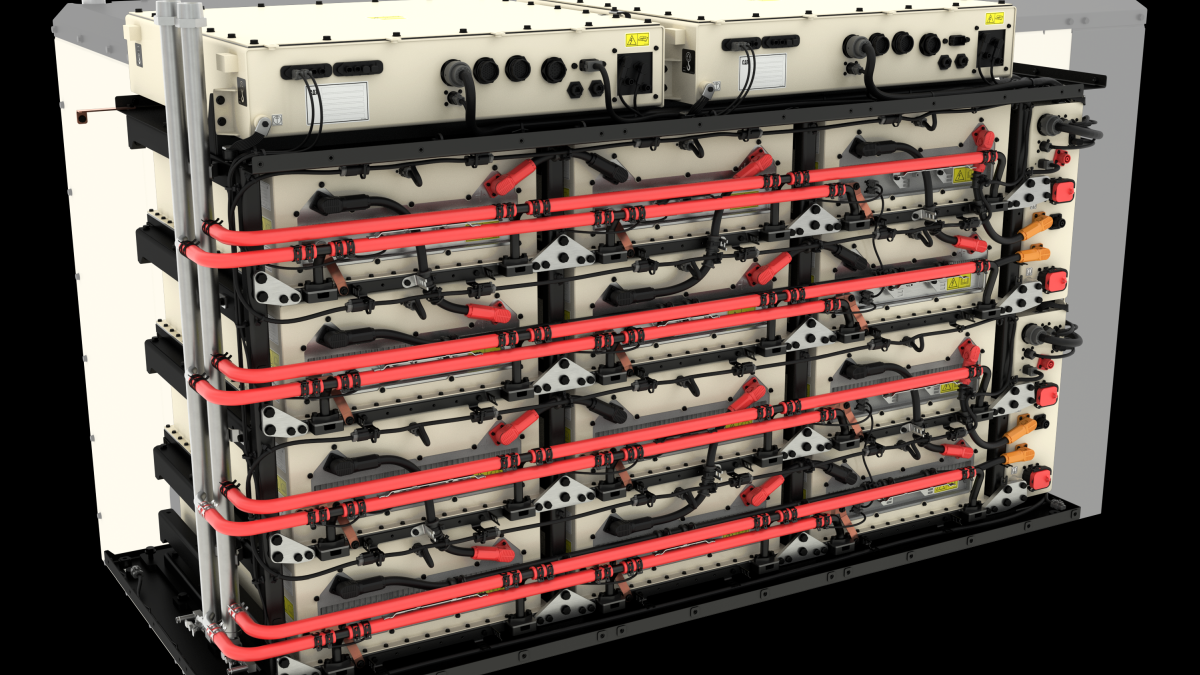
A fully electric battery-powered system like Caterpillar’s Cat marine battery system incorporates multiple components that enable a vessel to deliver 100% of its bollard pull while lowering greenhouse gas (GHG) emissions.
Such systems include lithium-ion battery banks, a control system, direct current (DC) electrical grid, motors, drives and a thermal management and energy management system (EMS).
“A DC-based grid connects directly to motors and variable frequency drives to convert power from the battery to the specific frequency and voltage needed,” Mr Watson explained. “EMS software balances the load between batteries and ensures emergency reserves while a specialised high-voltage connection on the deck supports charging.”
The Caterpillar marine battery system is an independent energy storage unit offering 39 configurable rack options and integrates with generator sets if backup power is required to provide redundancy during operations or maintenance.
Cell and module temperatures and charge states are monitored with the Cat battery management system (BMS), providing operators with alerts, fault data and analytics to minimise downtime and enhance maintenance planning.
“This system is designed to align with the typical lifespan of a hull, allowing cell-level or module-level refreshes,” said Mr Watson.
“This is advantageous for operators as it enables vessels to benefit from battery technology innovations and helps balance total cost of ownership [TCO],” he said.
“Operators could potentially experience reduced maintenance requirements given the reduction in wear parts for electric motors, as well as ease of battery replacement.”
Hybrid propulsion
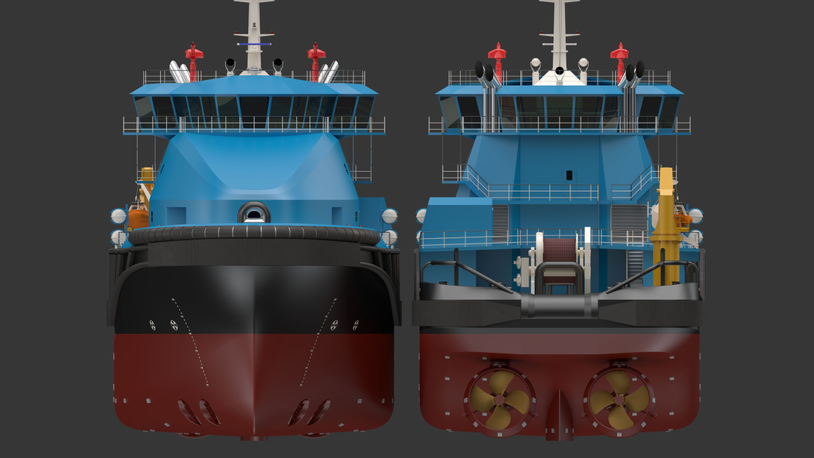
Fully electric power systems are often best for newbuild tugs and towboats, as retrofitting existing vessels with a battery-powered powertrain can be cost prohibitive.
A tug operating in a fixed location with established electric infrastructure could be suitable for a 100% battery power system, “especially if the operator’s goals are to decrease operating expenditure and rely on a powertrain that is not only designed to meet evolving industry requirements but also supports the company’s sustainability initiatives,” said Mr Watson.
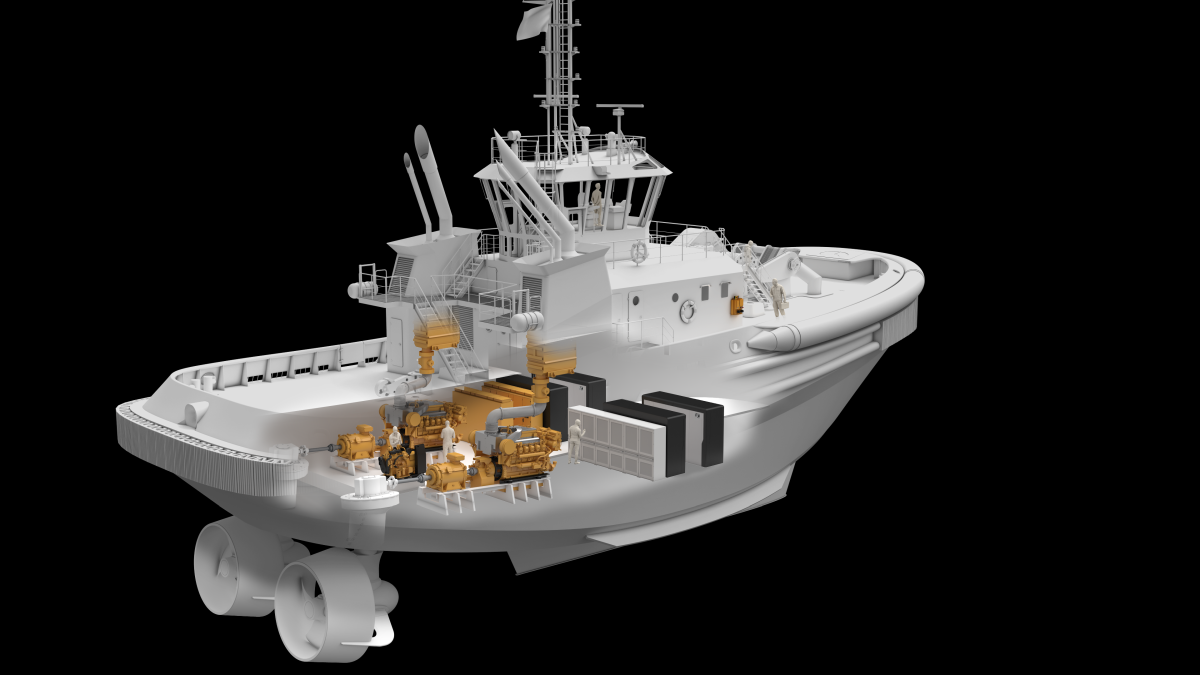
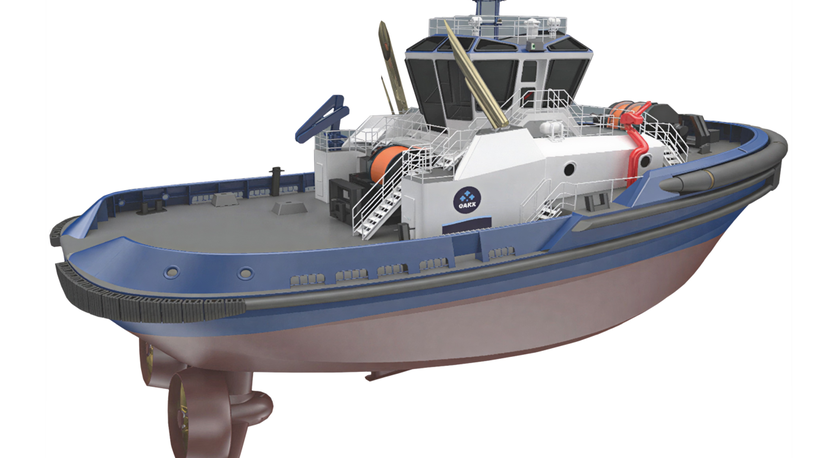
Hybrid systems are a pragmatic choice for existing vessels as they combine propulsion engines with electric motors, clutches, gensets, power electronics, controls and batteries.
“This enables operators to maximise investments in current ships and maintain the power needed for high-stakes salvage operations, while meeting shifting industry requirements,” he added.
“Hybrid systems enable operators to keep current vessels in service year after year, with upgrades that deliver important engineering updates while supporting their sustainability objectives.”
“Careful consideration and technical scoping are needed to transform the engineroom into the energy room”
“With a hybrid system, operators can implement incremental changes at a pace that helps minimise capital expenditure while aligning with industry requirements,” said Mr Watson.
As with marine battery systems, controls packages are also essential for hybrid vessels. “Supervisory controls play an essential role in simplifying the integration of different power-train components and can even maximise a methanol substitution rate when using dual-fuel engines like the Cat 3500E,” Mr Watson said. “This helps operators increase asset allocation, which further helps to balance TCO.”
A tug used for ship escort and assist applications in harbour terminals could benefit from a hybrid system if the operator’s goals are to support its own sustainability objectives or adhere to industry regulations.
Propulsion can be provided by the main engines, gensets or both. For example, two Cat 3516E engines – each rated at 2,525 bkW – paired with a 3.7 MWh marine battery system would power a driveline that includes two 750 kW motors.
“This is just one example of how a hybrid power system could be configured to enable operators to decrease fuel consumption and costs while lowering GHG emissions as well,” said Mr Watson.
A multi-energy future
Hybrid systems provide flexible options for a multi-energy future as they can be customised to reflect the nuances of a vessel’s design and operating requirements.
Caterpillar Marine is using conventional power and electrification successes across industries to ensure flexible options are available across a wide range of marine applications.
“While dependable technology is an important part of updating marine power systems, strategic alignment is another,” said Mr Watson.
“Close collaboration with all stakeholders is invaluable for designing power solutions that achieve immediate and long-term operational and sustainability objectives for operators,he said.”
It can define how and when each vessel in a fleet should be modernised or replaced with a newbuild and the type of power system to install.
“Flexibility is key, as one approach does not meet all vessel or operator needs,” said Mr Watson.
“A few basic frameworks may hint at potential power possibilities, such as using marine battery systems for vessels with dependable electrical infrastructure access in port and the time to charge,” he added.
But, for vessels in regions with uncertain charging access or operating conditions that limit charging time, a hybrid powertrain would be more suitable.
“Careful consideration and technical scoping are needed to transform the engineroom into the energy room,” said Mr Watson.
This includes scrutinising ports’ planned charging infrastructure and capabilities to the feasibility of accommodating onboard storage for lower carbon intensity fuels.
“Comprehensive planning promotes greater cost efficiency and also helps balance TCO over a vessel’s lifetime – to 2050 and beyond,” said Mr Watson.
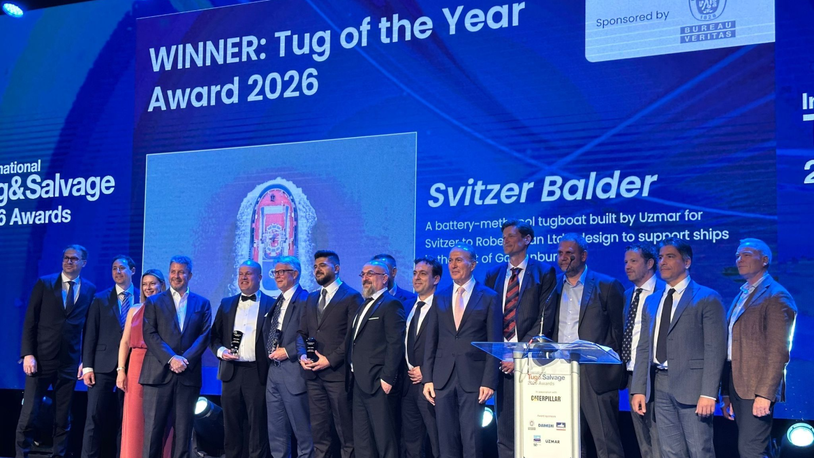
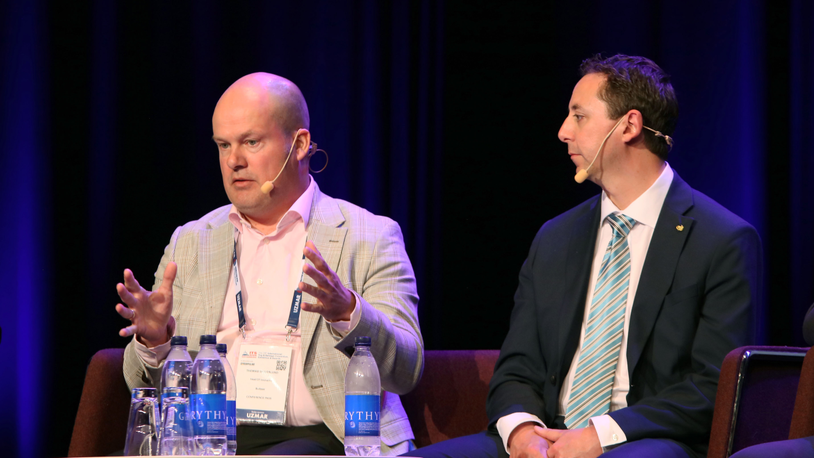
Will Watson will deliver a keynote presentation at the 28th International Tug & Salvage Convention, Exhibition & Awards will be held in Gothenburg, Sweden, in association with Caterpillar, 19-21 May 2026. Use this link for more details of this industry event and the associated social and networking opportunities.

Related to this Story

Events

Maritime Regulations Webinar Week
 16 Dec 2025
 GMT - ONLINE
Floating energy: successfully unlocking stranded gas using FLNGs and FSRUs
24 Feb 2026GMT - ONLINE
© 2026 Riviera Maritime Media Ltd.


