


Business Sectors
Business Sectors
Events
Contents
Register to read more articles.
Digital twins: a ‘single source of truth’ for lifecycle management
A panel of experts discussed the rapidly evolving use of digital twins to improve ship design, engineering, classification, maintenance and operations


Digital twin technology is moving from pilot project to operational use, with 3D models increasingly used for ship design, engineering and classification. Dynamic product models are kept updated using high-quality data, allowing them to be used for predictive analytics, system maintenance, fuel efficiency and voyage optimisation.
These were among the findings revealed by an expert panel during a Riviera-produced webinar, Digital Twin Integration: From Concept to Fleet-Wide Value.
On the panel were Indian Register of Shipping (IR Class) chief technology officer, Rabindra Sah, and Kongsberg Maritime vice president for special projects and product line manager for performance and fleet management, Anders Bryhni.
They detailed the latest deployments in digital twins, the integration challenges and how to unlock the full value of virtual twins across vessel lifecycles.
Mr Bryhni explained how Kongsberg Maritime has used digital twins in maritime and offshore applications, enabling greater simulation of operations, better maintenance decisions, improved vessel efficiency, better crew training, and how they helped in implementing remote and autonomous technologies.
“Digital twins support operational decisions, such as when to maintain engines or replace filters,” said Mr Bryhni.
“Digital twins support operational decisions”
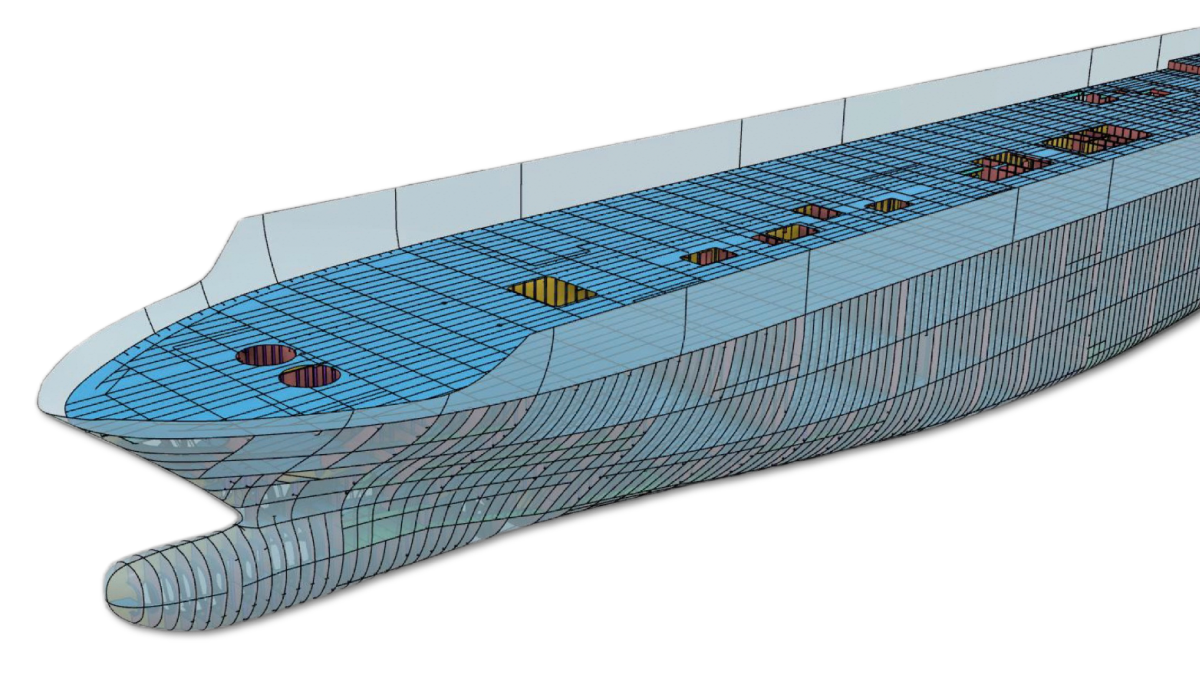
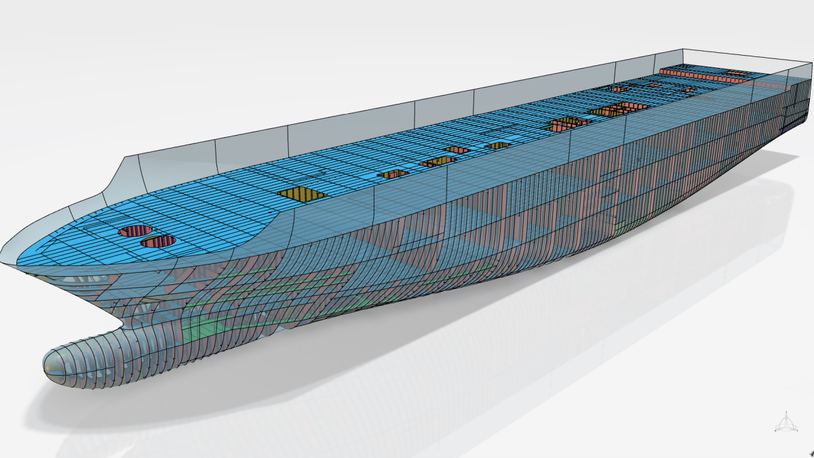
Mr Sah explained how IR Class is spearheading the use of virtual, or digital, twins when classing ships and approving newbuilding designs at shipyards. The class society is using Dassault Systemes’ digital platform 3DExperience to create virtual twins of ships for lifecycle assessments and 3D classification.
Mr Sah said these 3D models can be a “single source of truth” that multiple stakeholders can use to collaborate in ship design, construction, and lifecycle management.
“We have taken an initiative in digital transformation with virtual twins that include high-fidelity digital models of ships for design, operational history and lifecycle evolution, using real-world data for simulation and monitoring,” he said.
“We have started with collaboration and technology development to monitor, predict and optimise behaviour, for vessel lifecycle management and ongoing classification,” he added.
Multiple layers of information, such as steel thickness measurements and performance data, can be stacked together in a digital model, which can be used for 3D class, predictive maintenance, and data analysis.
“Virtual twins will help in the future for lifecycle assessment,” added Mr Sah. “They can be a single source of proof for all stakeholders with access to the same data and content for plan approval and advanced analytics.”
IR Class will continue to develop virtual twins enabling more opportunities for collaboration and increasing the efficiency of ship design, engineering and construction.
“This is the way forward for shipyards, class societies, naval architects and owners. We see 3D model-based classification replacing traditional 2D-based class,” said Mr Sah.
Related to this Story

Events

Maritime Regulations Webinar Week
 16 Dec 2025
 GMT - ONLINE
Floating energy: successfully unlocking stranded gas using FLNGs and FSRUs
24 Feb 2026GMT - ONLINE
© 2026 Riviera Maritime Media Ltd.


