


Business Sectors
Business Sectors
Events
Contents
End-user input strengthens fire-safety partnership
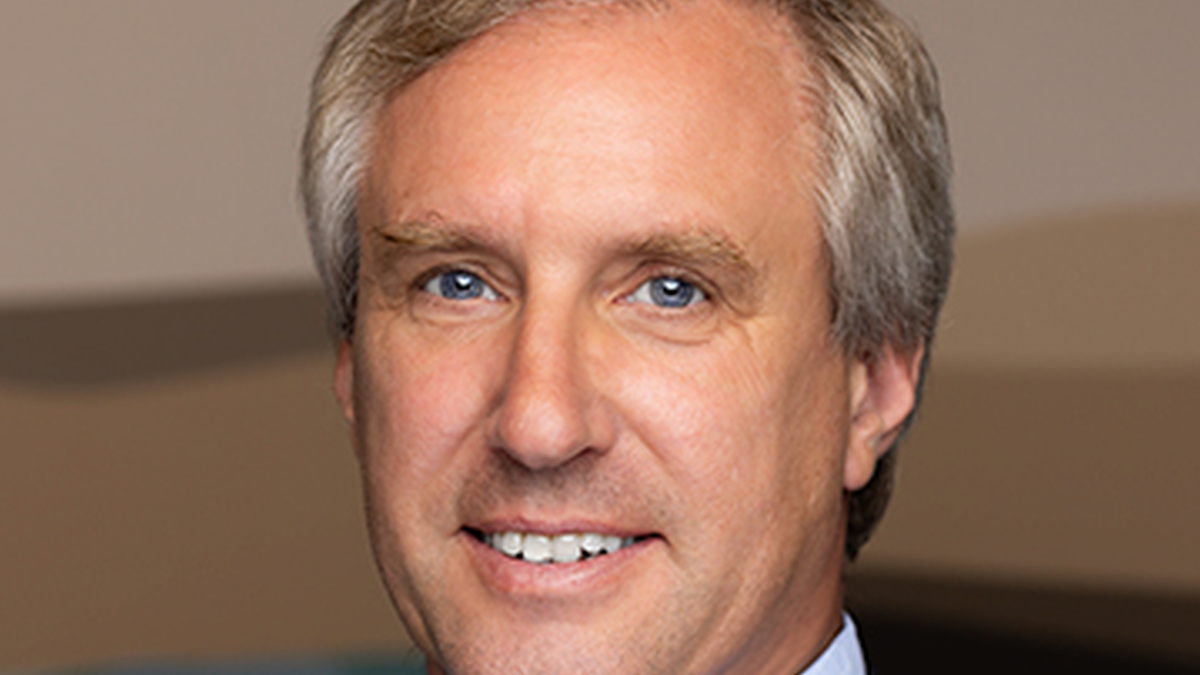
Interferry regulatory committee chairman Captain John Garner describes the trade association’s crucial role in the innovative LASH FIRE roro/ropax fire-safety project


Calls for improved prevention and management of fires on roro-type ships have gained pace in recent years following a number of serious incidents.
In a trend-setting response, 27 research and industry partners including Interferry joined forces in the European Union-backed LASH FIRE project, a four-year R&D initiative launched in September 2019 with a €13.5M (US$16.2M) budget.
LASH FIRE is an acronym for Legislative Assessment for Safety Hazards of Fire and Innovations in Ro-Ro Ship Environment. Put simply, the aim is to develop and demonstrate 20 new procedures and technical innovations as the basis for a revision of IMO regulations that greatly enhances independent shipboard fire prevention, detection and control.
The project is organised in eight working groups. Effective manual operations cover fire patrols, fast confirmation procedures and evaluation of new equipment. Inherently safe design focuses on the activation of extinguishing systems, while another group is concentrating on less crew-dependent systems. Other work packages are focused on the most probable ignition sources, more reliable detection technologies and the elimination of smoke, fire and heat containment weaknesses. The Formal Safety Assessment group will evaluate regulatory proposals arising from the project’s operational and technical solutions, which will be evaluated and demonstrated in the ship integration package.
Co-ordinated from Sweden by world-leading RISE Research Institutes of Sweden – a majority-owned government body – the project partners range from equipment manufacturers, materials specialists and software providers to universities, a classification society and, not least, ship operators. Interferry is represented by regulatory affairs director Johan Roos and myself as regulatory liaison.
Results and feedback
In a key role, Interferry is organiser of the 12-strong Maritime Operators Advisory Group (MOAG). As such, it facilitates dissemination of results to, and feedback from, the group to ensure practical feasibility and broad acceptance of new technologies and regulations by the end-users. This is important because it means we are not simply putting forward academic proposals. On the contrary, expert input is coming up front from first class, knowledgeable operators who run ships daily. Further ‘insider’ support comes from 12 IMO member states in the Maritime Administration Advisory Group (MAAG), co-ordinated by shipyard and maritime equipment association Sea Europe.
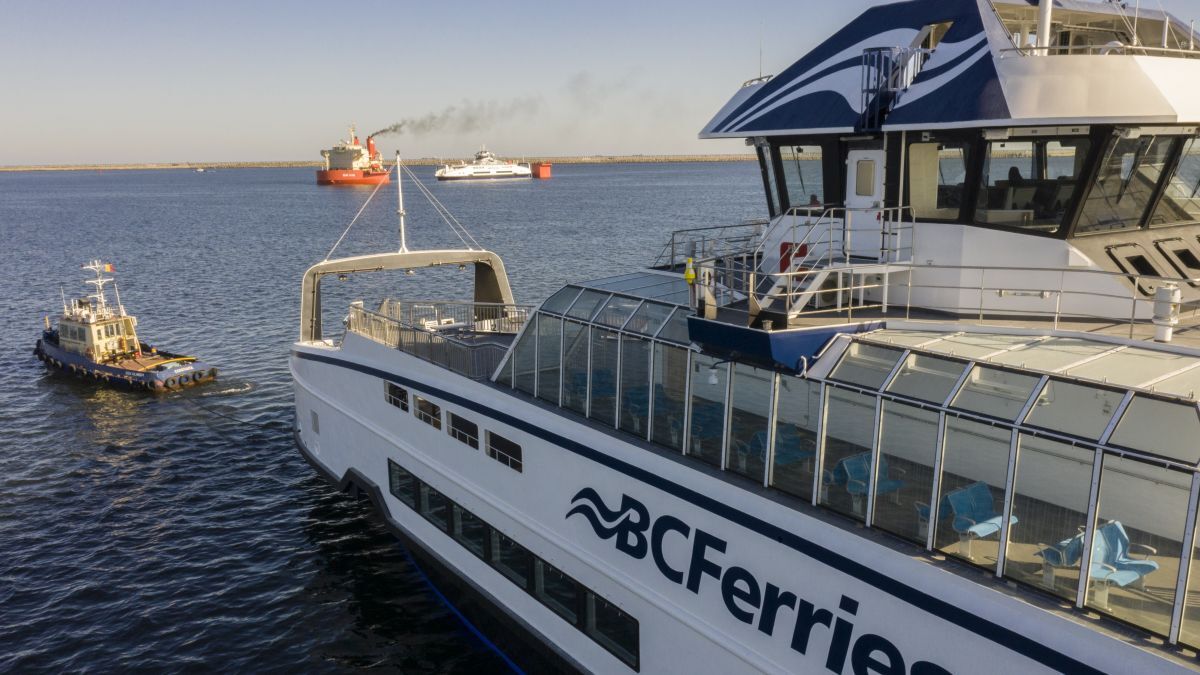
Interferry recruited nine ship operators for MOAG, together with three companies close to the ferry business. The operators include eight of its members – Balearia of Spain, Canada’s BC Ferries, Calmac and Condor from the UK, Denmark’s DFDS and Scandlines, Grimaldi of Italy and Stena of Sweden – together with Swedish pure car carrier Wallenius. The group is completed by safety services company Relyon Nutec of the Netherlands, an end-user of innovative firefighting technologies; electric energy storage provider Sterling PBES of Canada; and Germany’s FSG Design representing the shipyard sector. Other parties such as insurance companies can be included if required.
As MOAG facilitator, Interferry has scheduled a series of meetings and communications to provide information on specific issues. Details of 108 less serious and near miss incidents were compiled in recognition that these were non-reportable to the authorities. In response to a working group request, lane-metre data for 240 vessels was produced to enable a calculation of exposure time in closed, open and weather deck spaces. Another request prompted feedback on existing and upcoming technologies and regulations related to ship operation and fire management.
Last October, Interferry co-sponsored a LASH FIRE webinar focused on the carriage of alternatively powered vehicles. Some 240 industrywide participants heard that electric- and gas-powered vehicles posed fire hazards that are different, rather than more dangerous, compared with traditionally fuelled vehicles and therefore required specific control methods, crew training and regulations.
Internal workshops taking place in June, September, October and November this year will allow dialogue between MOAG, MAAG and work package leaders on the technical solutions under development. The updating process culminates in December with – pandemic permitting – two physical meetings, a public conference in Lisbon hosted by the European Maritime Safety Agency, followed the next day by a meeting when members of the LASH FIRE advisory groups will review early results and next steps.
It is fair to say that this project promises to be a great example of industry and authorities working in harmony to deliver solutions and regulations that really work.
Capt John Garner is the managing director of consultancy JG Maritime Solutions, which he established in 2018. He was previously with P&O Ferries, where he was fleet director for 15 years after eight years as a senior master
This project has received funding from the European Union’s Horizon 2020
research and innovation programme under grant agreement nº 814975
Related to this Story
Events

Maritime Regulations Webinar Week
 16 Dec 2025
 GMT - ONLINE
Floating energy: successfully unlocking stranded gas using FLNGs and FSRUs
24 Feb 2026GMT - ONLINE
© 2026 Riviera Maritime Media Ltd.


