


Business Sectors
Business Sectors
Events
Contents
Register to read more articles.
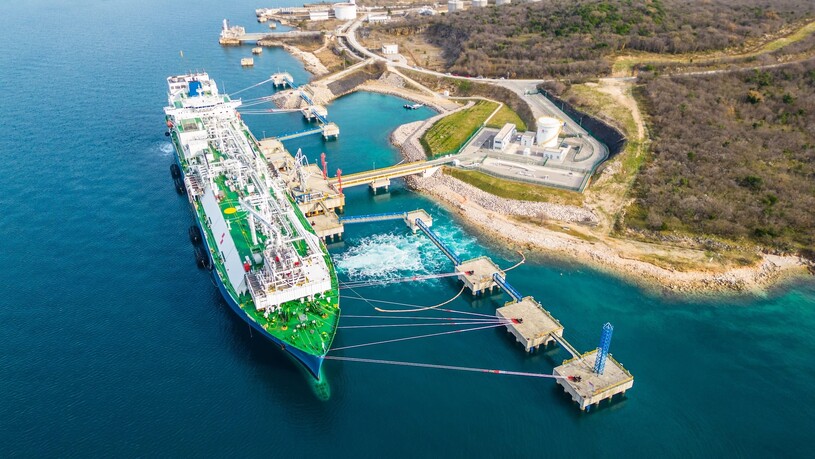
Europe faces massive 30 bcm gas gap in 2023
European Commission President Ursula von der Leyen is warning the new year could bring a fresh energy crunch in Europe, with the potential for the continent to fall 30 billion cubic metres (bcm) short of its gas needs by summer 2023


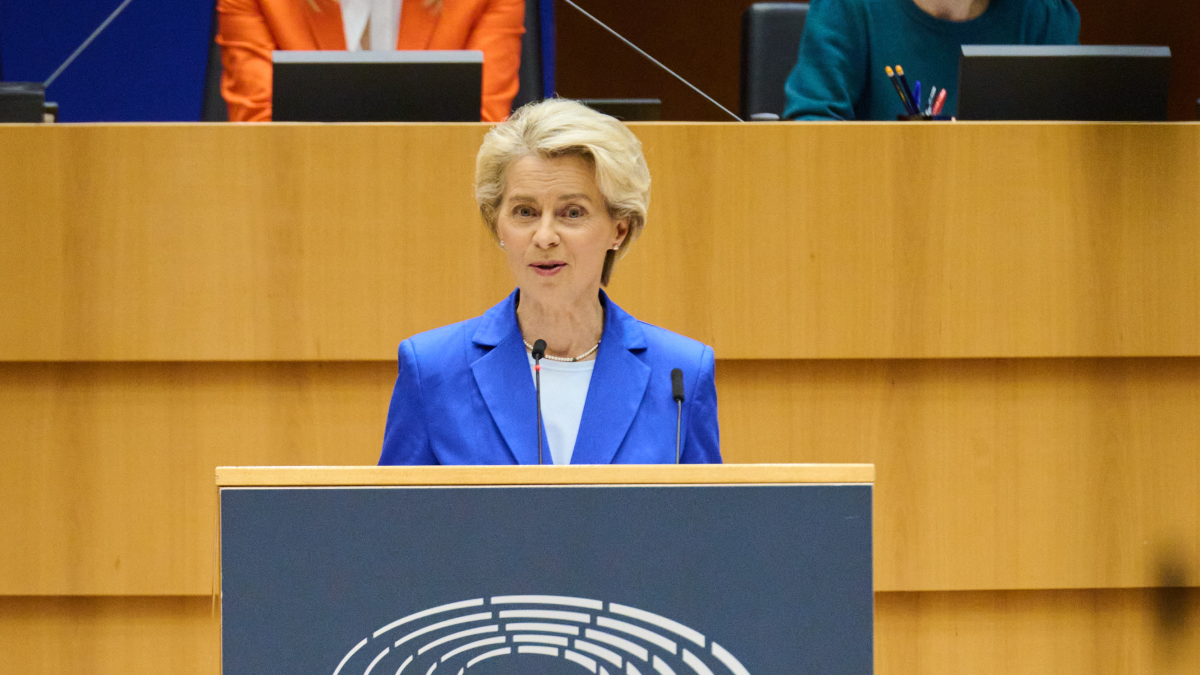
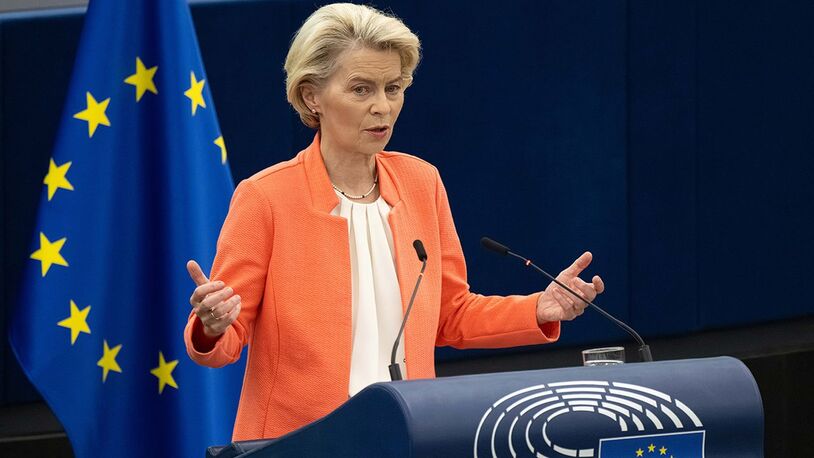
Ms von der Leyen made the bleak forecast during an address to the European Parliament plenary session in Brussels, Belgium, 9 November.
While congratulating member states on their ability to meet 95% of their gas storage needs in just eight months, while reducing gas consumption 15% in preparation for this winter, Ms von der Leyen made it clear the continent was far from out of the woods.
“The next filling season – at the end of this winter – will be even more challenging”, she said. “We will face three main obstacles. First, Russia may decide to disrupt completely its gas supply to Europe. Secondly, the global LNG capacity will not grow fast enough to fill this gap. And thirdly, growth in Asia may absorb most of this additional LNG”, added Ms von der Leyen.
This year, LNG imports from the US played a large role in helping Europe fill the gas gap left by dwindling Russian pipeline imports. Since the start of the Russia-Ukraine was in February, “Putin has cut 80% of his exports of pipeline gas to Europe,” said Ms von der Leyen.
She noted that this year Europe has “more than doubled its imports of LNG from the US – from 22 bcm last year, to 48 bcm this year so far”.
She noted the easing of gas prices, which are roughly two-thirds of what they were in summer when they hit a historic high of €316 (US$316.50)/MWh on 26 August.
Russia second-largest export of LNG
Between January and August, Russian pipeline gas imports in the EU fell by 43 bcm, and total gas imports from Russia, including LNG, were down by 39 bcm. At the same time, non-Russian LNG imports were up by 28 bcm and pipeline imports other than from Russia rose by 17 bcm.
Ironically, Russian LNG still played a major role in providing much-need natural gas to the EU. While the US was the principal LNG supplier of the EU, ensuring 16 bcm (45% of the total EU LNG imports) in Q2 2022, Russia was the second largest (6.5 bcm) followed by Qatar (4.6 bcm). The EU as block of 27 countries was the biggest LNG importer in Q2 2022 in the world, ahead of Japan and China.
In Q2 2022, Spain was the biggest LNG importer in the EU, importing 8.5 bcm, ahead of France (8.3 bcm) and Belgium (5.0 bcm).
EU gas consumption fell steeply by 16% (-13.9 bcm) year-on-year, amounting to 71 bcm. Gas demand in electricity generation also fell, by 7% (-8.1 TWh). EU LNG imports were up by 49% year-on-year, amounting to 36 bcm, while overall EU gas imports were down by 3%. Because of elevated pricing, the EU spent an estimated €75Bn on gas imports in Q2 2022.
Ms von der Leyen, however, said the EU is “getting prepared to tackle these risks – and in doing so we are setting the right course for the future. Because our choices today will determine whether we have the energy we need for 2023 and beyond. But we have to act now”.
Increased investment in renewables
A key part of that action will be speeding up investment in renewables, including wind and solar. “By the end of the year we will have achieved the largest growth in renewables in the history of our European Union. A further 50 GW – which is double what we added last year. And we could accelerate even more,” she said.
Bureaucratic red tape in the form of long permitting processes, however, is slowing many renewable projects.
While the EU’s Renewable Energy Directive addresses this, she noted, it will take more than a year for all the member states to translate it into national law.
“This is why today we are proposing a new emergency regulation under Article 122, to immediately speed up permitting for renewable energy projects with a rapid impact. This proposal will be limited in time and scope. And it will be in line with what you have voted on. It will bridge the gap until the new Renewable Energy Directive comes into force. And by doing so, we can unblock a myriad of renewable projects in the next 12 months”. She said calculations by the IEA indicate the EU could replace 14 bcm of gas – almost half of the EU’s potential gas gap, “just by speeding up the permitting of these projects. This is realistic and we can pull this off together”, said Ms von der Leyen.
The LNG Shipping & Terminals Conference Europe will be held 16-17 November 2022. Register your interest and access more information here

Related to this Story
Events

Maritime Regulations Webinar Week
 16 Dec 2025
 GMT - ONLINE
Floating energy: successfully unlocking stranded gas using FLNGs and FSRUs
24 Feb 2026GMT - ONLINE
© 2026 Riviera Maritime Media Ltd.


