


Business Sectors
Events

Floating energy: successfully unlocking stranded gas using FLNGs and FSRUs
 24 Feb 2026
 GMT - ONLINE
Contents

Register to read more articles.
Future OSV recipe: diesel electric, batteries, and a pinch of green fuels
With green fuels in short supply for OSVs, owners will operate mostly on diesel and batteries, but will need to be ready with hybrid vessels capable of using low- and zero-carbon fuels when available


What alternative fuel will the OSV market gravitate to over the next two decades to reduce its CO2 and greenhouse gas (GHG) emissions? If your answer was green ammonia, green methanol, or green hydrogen, think again.
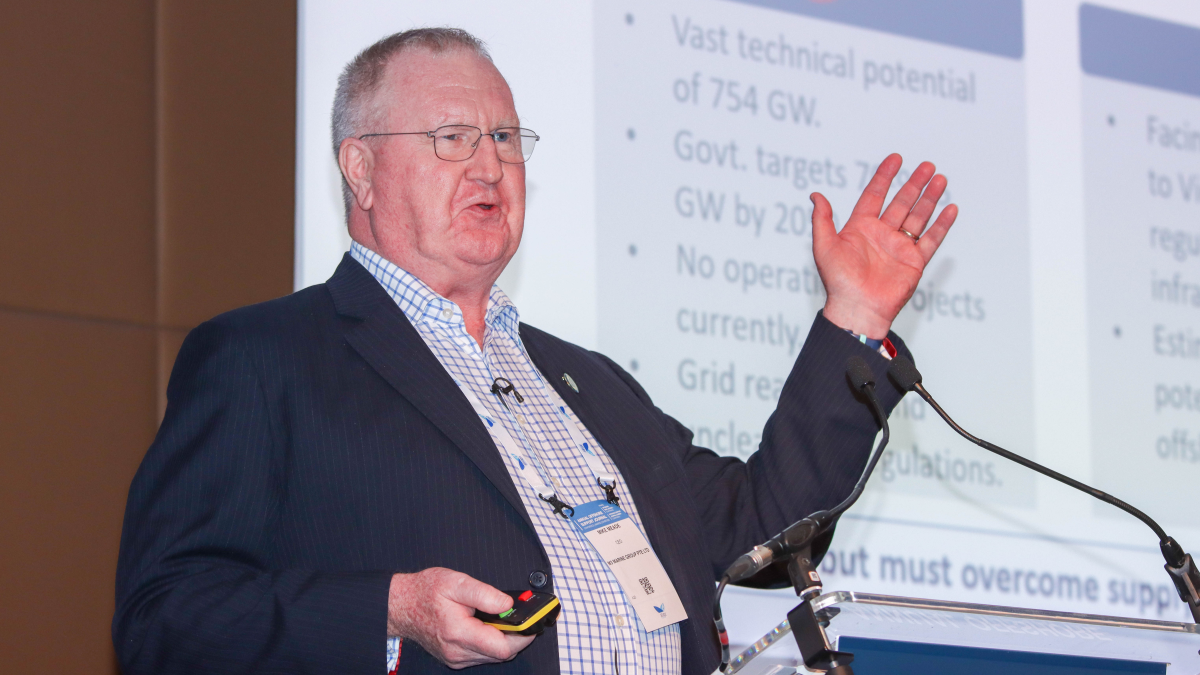
If you attended the Annual Offshore Support Journal Conference, Awards and Exhibition in London in early February, you would have heard M3 Marine Group chief executive, Mike Meade’s assessment of alternative fuels. He thinks the answer is right in front us.
“So, future fuel is a big talking point for our vessels,” said Mr Meade, noting that OSVs are limited in deadweight. “I don’t look at alternative fuels being reality. The future of our new vessels is diesel with alternative fuel options and a battery, and diesel electric that will save about 30% and will reduce your carbon footprint. And between now and 2050 that’s the reality,” he concluded.
“It is essential to be forward-thinking”
It’s hard to argue with Mr Meade’s assessment, particularly considering the scarcity of zero- and low-carbon fuels, the availability of engines capable of burning those green molecules and limited shipyard capacity to construct new vessels.
All green alternative fuels have different combustion characteristics and less power density than diesel, requiring OSVs to have more bunker tank space or refuel more frequently to perform the same amount of work.
Batteries rising
But the case for incorporating batteries, whether in a newbuild or existing OSVs, continues to strengthen. Battery technology continues to advance, with new chemistries, increased safety and greater power densities, with retrofits of existing diesel-electric OSVs to use energy storage systems on the rise.
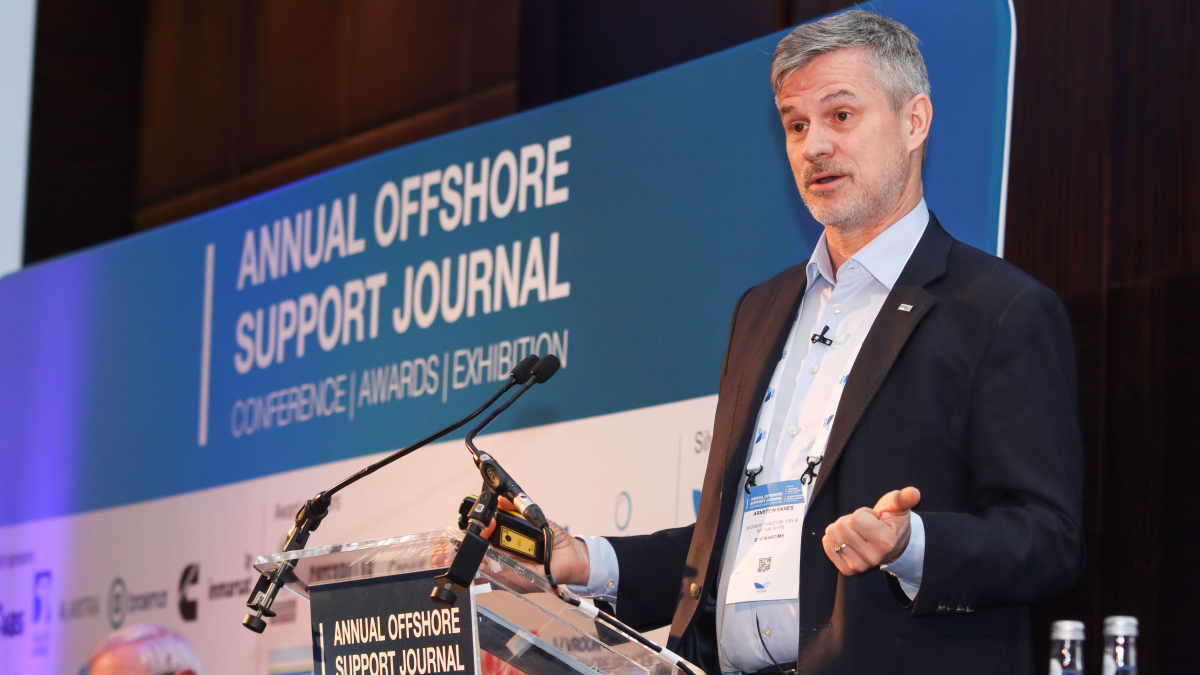
As DNV OSV and special ships segment director, Arnstein Eknes, noted during the conference, the global fleet of vessels fitted with batteries in operation has eclipsed 1,000, with another 549 hybrid, plug-in hybrid and pure-electric vessels on order. Of the total 1,555 vessels, about 17% are either OSVs or other offshore vessels, according to DNV’s Alternative Fuels Insight platform.
“To be electrified is a way to make the industry more energy efficient and to reduce emissions,” Mr Eknes said. He noted that the increasing number of hybrid-battery vessels in the global market was an indication that going fully electric is not an option for everyone. “That really requires charging infrastructure, both at shore and offshore — which is coming — but the benefits are there for the shipowner if they go with hybrid,” he said.
Low climate footprint newbuilds
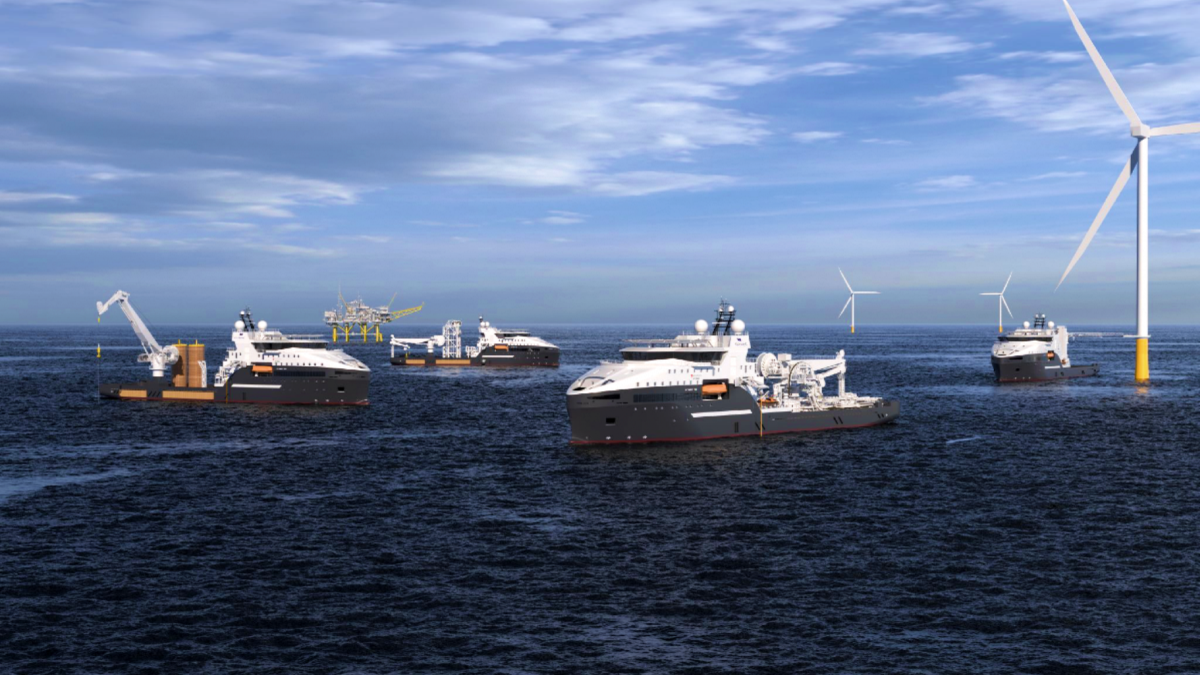
Among the latest newbuilds are two “low climate footprint” subsea construction support vessels (CSVs) ordered by Norway’s Olympic Subsea. Based on UT7623 Sustainable Energy Vessel (SEV) designs from Kongsberg Maritime, these CSVs will be the “world’s most energy-efficient vessels”, said Stig Remøy, the majority owner, president and chief executive of the Norwegian OSV company.
The shipbuilding contract with China’s China Merchants Holdings Inc follows a record-breaking 2024 for the company, with a projected pre-tax profit exceeding Nrk800M (US$71.3M). Mr Remøy was on hand at the Annual Offshore Support Journal Subsea Conference in London to discuss the opportunities and challenges emerging in the global subsea market.
Olympic Subsea’s fleet revenue for 2024 was projected to reach Nrk1.6Bn (US$149.8M), more than double 2023, according to the company.
Meanwhile, these newbuilds, a collaboration between Kongsberg Maritime and Olympic, “will set a new standard for energy consumption and leave an extremely low climate footprint,” said Mr Remøy.
“Future fuel is a big talking point for our vessels”
As has been the case in other recent newbuild orders, these CSVs will serve both offshore renewable and oil and gas sectors, maximising their utilisation opportunities and service life. They will be delivered in mid-2027.
“In times like these, it is essential to be forward-thinking,” said Mr Remøy. “That is why Olympic is now building the world’s most energy-efficient vessels, which not only meet but exceed customers’ ever-increasing expectations for environmentally and climate-friendly operations.”
While no technical details were initially released, recent additions to Olympic Subsea’s fleet provide clues.
In November, Olympic Subsea took delivery of Olympic Notos, the second of two SX222 design construction operation service vessels (CSOVs) from Ulstein Verft. The 2,300-dwt CSOV has a Twin X-Stern design and battery-hybrid power solutions, an energy recovery system, variable speed generators and heat recovery system to lower fuel consumption, increase energy efficiency and reduce greenhouse gas (GHG) emissions.
Biofuel option
Biofuels are being tested by some operators and this has encouraged charterers like Petrobras to reduce carbon emissions.
Solstad Offshore reported Normand Ferking will use certified renewable biodiesel during its transit from Husøya on the west coast of Norway to Brazil “to demonstrate that existing measures can effectively cut emissions”.
The DP-2-class anchor-handling tug supply (AHTS) vessel is using hydrotreated vegetable oil (HVO), also known as ‘green diesel’ or ‘renewable diesel’. Made from lipids like vegetable oil, tallow or used cooking oil, HVO has similar chemical and physical properties to diesel fuel. But its fossil-free composition and low carbon content make HVO an appealing sustainable fuel option. It’s price and availability at scale for the marine market remains challenging.
“The crew is highly focused on Solstad Green Operation in their work and plans to save as much fuel as possible during the transit. They aim to achieve this by reducing speed and operating with a single engine,” said the Norwegian OSV owner in a social media post.
Solstad estimates the vessel will save “more than 95%” of the 1,600 tonnes of CO2 emissions generated with normal speed and “fuel down to 71 tCO2 (net GHG emissions).”
Flying the Norwegian flag, the 2007-built AHTS has an overall length of 89.35 m, beam of 22 m, with accommodation for 32. The VS 490 AHTS has a bollard pull of 239 tonnes.
“Although the renewable biodiesel makes the journey more costly, it is an important part of Solstad’s strategy to reduce its environmental footprint – and demonstrate that existing measures can effectively cut emissions,” said the owner.

Related to this Story


Events

Maritime Regulations Webinar Week
16 Dec 2025GMT - ONLINEFloating energy: successfully unlocking stranded gas using FLNGs and FSRUs
24 Feb 2026GMT - ONLINE
© 2024 Riviera Maritime Media Ltd.


