


Business Sectors
Events

Floating energy: successfully unlocking stranded gas using FLNGs and FSRUs
 24 Feb 2026
 GMT - ONLINE
Contents
Register to read more articles.
Greek shipping sees IMO climate deal delay as chance for 'realism' and 'fairness'
The Greek shipping community has welcomed the postponement of the International Maritime Organization (IMO)’s Net-Zero Framework (NZF) final agreement as an opportunity to improve the plan with greater “realism” and “fairness”


IMO decided to delay discussions on the NZF for one year, with Greece and Cyprus abstaining in a vote to adjourn October’s extraordinary session of the Marine Environment Protection Committee (MEPC) until 2026, even while other EU nations voted to push ahead with negotiations.
“Shipping needs international rules that are accepted by all, not punitive mechanisms,” said Greek Minister of Maritime Affairs and Insular Policy, Vasilis Kikilias. He added Greece had raised concerns regarding the NZF, proposing improvements to ensure it meets the real needs of shipping and reflects the realities of the global fuel market.
Last week’s negotiations, Mr Kikilias noted, highlighted weaknesses in the framework, including implementation timelines, the unfair treatment of LNG fuel, and unreasonably high penalties for shipping. “If adopted, they could potentially cause severe disruptions to global trade and increases in product prices,” he warned.
The minister concluded that over the next year, “significant negotiations are required, incorporating market perspectives with realism and fairness.”
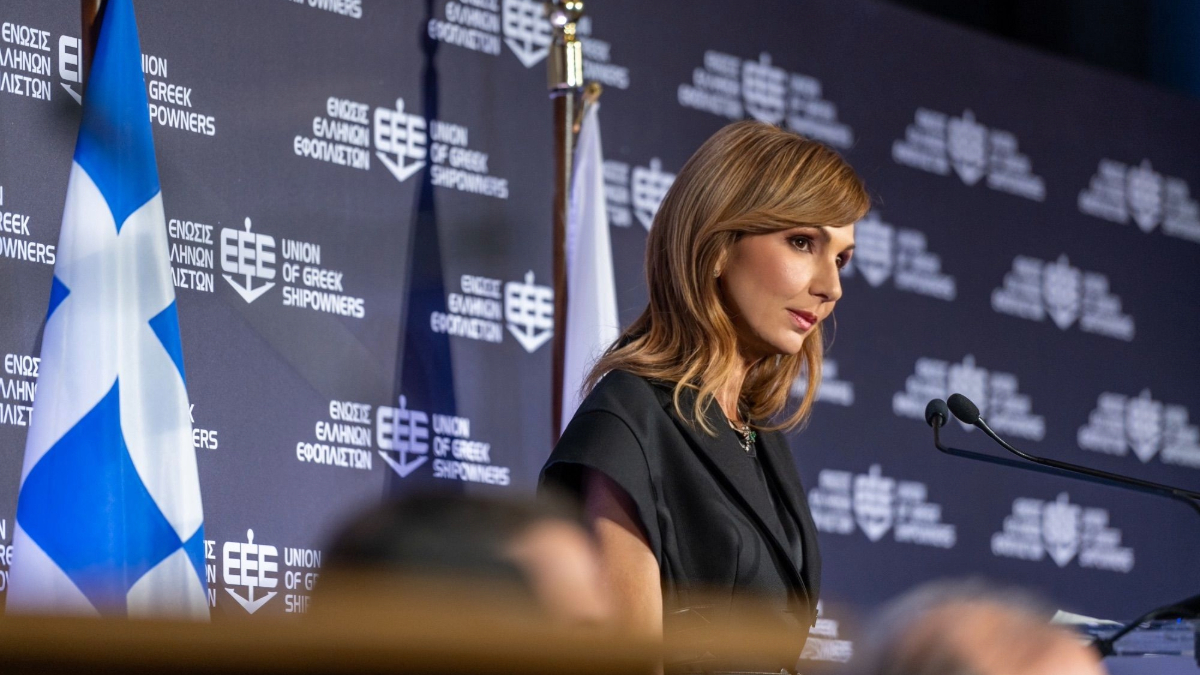
Union of Greek Shipowners (UGS) president Melina Travlos echoed this view, noting the delay presents a new opportunity to shape a framework that will guide global shipping safely and realistically through the green transition.
She added the lack of consensus “highlighted deep rifts over the proposed Net-Zero Framework regulation, where the positions advanced by the shipping industry were not sufficiently taken into account.”
Serious objections from Greek owners
Several notable figures in Greek shipping had already voiced objections to the NZF following its approval at the MEPC 83 session in April 2025. At that time, Ms Travlos highlighted concerns over the feasibility of the targets, emphasising that transitional fuels such as LNG were not adequately recognised.
Last month, leading Greek shipping owners – including Maria Angelicoussis, George Procopiou, Evangelos Marinakis, George Economou, Peter Livanos and Dimitris Procopiou – co-signed a statement with other international shipowners, expressing “grave concerns” about the NZF.
The group stated that, as currently drafted, the regulation is not fit for purpose and would prevent the industry from fulfilling the emissions-reduction commitments it made in 2023.
According to their estimates, the NZF would raise US$20–30Bn annually by 2030, and could accumulate to more than US$300Bn by 2035 if the global fleet lags behind targets by as little as 10%.
“It is very difficult to accept adding fuel to inflation and passing it on to the consumer,” said one experienced Greek shipping executive.
The Cyprus Union of Shipowners later joined these concerns, underscoring the widespread apprehension over the current form of the NZF.
Sign up for Riviera’s series of technical and operational webinars and conferences:
- Register to attend by visiting our events page.
- Watch recordings from all of our webinars in the webinar library.

Related to this Story

Events

Maritime Regulations Webinar Week
16 Dec 2025GMT - ONLINEFloating energy: successfully unlocking stranded gas using FLNGs and FSRUs
24 Feb 2026GMT - ONLINE
© 2024 Riviera Maritime Media Ltd.


