


Business Sectors
Business Sectors
Events
Contents
Register to read more articles.
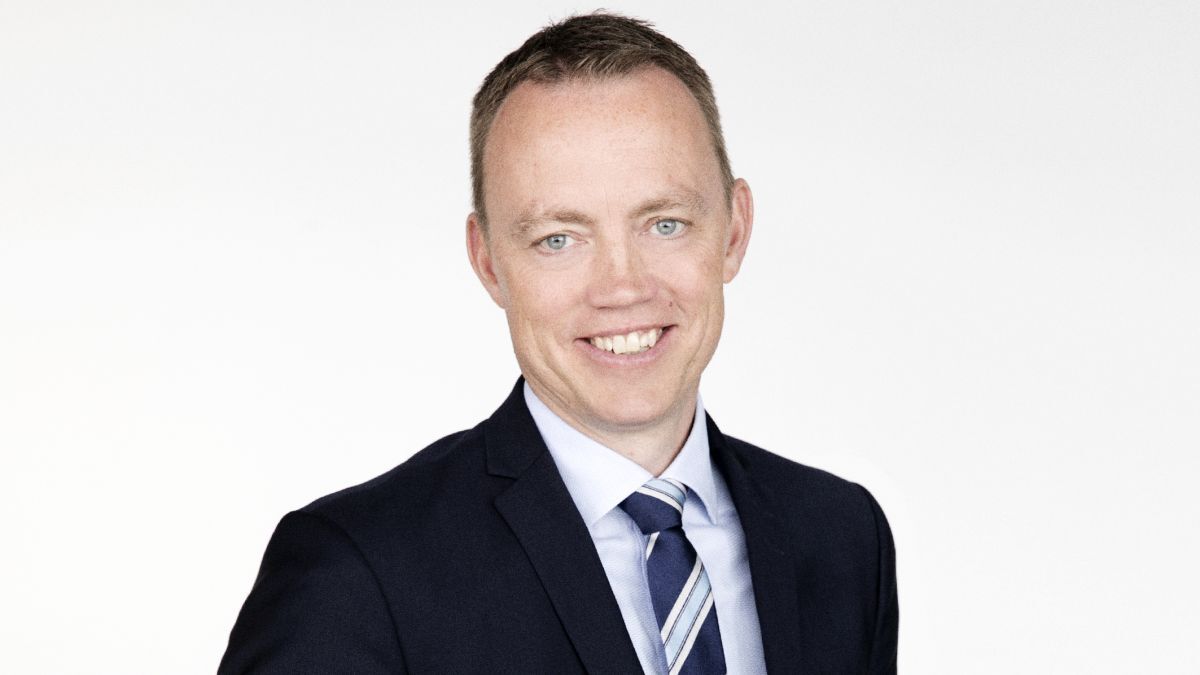
Independent Svitzer focuses on continued growth
Following its demerger from Maersk Group, Svitzer’s chief executive seeks growth from both habour and terminal towage for stable revenues


Svitzer will grow its market-leading position in harbour and terminal support through fleet additions and renewal following its demerger from AP Møller-Mærsk (Maersk).
The Danish tug owner will become independent from the shipping conglomerate at the end of April after 45 years of ownership by Maersk. It will then be ready to grow its core markets and expand geographically as opportunities emerge.
Svitzer chief executive officer Kasper Nilaus says Maersk is to hold an extraordinary shareholder meeting on 26 April to make the final decision and then Svitzer will be demerged and listed on the Nasdaq Copenhagen stock exchange on 30 April.
“A separate listing gives us the opportunity to further strengthen our market position,” says Mr Nilaus. “Operating in a growing towage market, we have an attractive financial profile with solid margins and a predictable cash flow. We are organisationally, financially and operationally ready for a future as a stand-alone listed company.”
Following the stock exchange listing, Svitzer, originally founded in 1833, will provide solid revenues and cash flow from a fleet of more than 450 vessels including tugs, pilot boats and line handlers, operating in Latin America, the Caribbean, Europe, the Middle East, Asia and Australia.
“Our strategy going forward is to continue the journey we have been on in the last few years, growing our business by pursuing long-term terminal contracts, expanding our harbour towage footprint, focusing on customer interaction and satisfaction, and continuing to invest in our people.”
Svitzer has around 2,000 customers including shipowners, operators and charterers in harbour towage, typically paying per job each tug delivers, and terminal and port operators that have term contracts with fixed day rates. Examples of these term-based contracts include the Port of Sohar, Oman, the Suez Canal Authority and energy companies operating LNG import facilities.
Recent growth came from securing long-term contracts to support LNG carriers at new terminals in the Philippines and Greece, while Svitzer also expanded its fleet in Australia, Brazil, Scandinavia and the UK. Svitzer’s global profit margins are on average 29-30% and revenues are stable and reliable.
Decarbonisation plans
Many of Svitzer’s new tugs have efficient hulls and some have mechanical hybrid propulsion and operate on hydrogenated vegetable oil (HVO) biofuel, helping Svitzer progress its greenhouse gas reduction plans.
“Our decarbonisation strategy has three legs,” says Mr Nilaus. “One is working on the behaviour of tug crews and developing the digital tool Port Manager to help reduce fuel consumption during mobilisations and demobilisations.” Tugs are given an eco-score, and masters are encouraged to find an efficient speed to lower emissions.
Equipment is another leg in Svitzer’s decarbonisation strategy. As an example, newbuild tugs such as 2023-built Svitzer Bilby, built by Cheoy Lee Shipyards for the Australian market, have Schottel Sydrive on board enabling two thrusters to be powered by one engine, saving fuel and emissions.
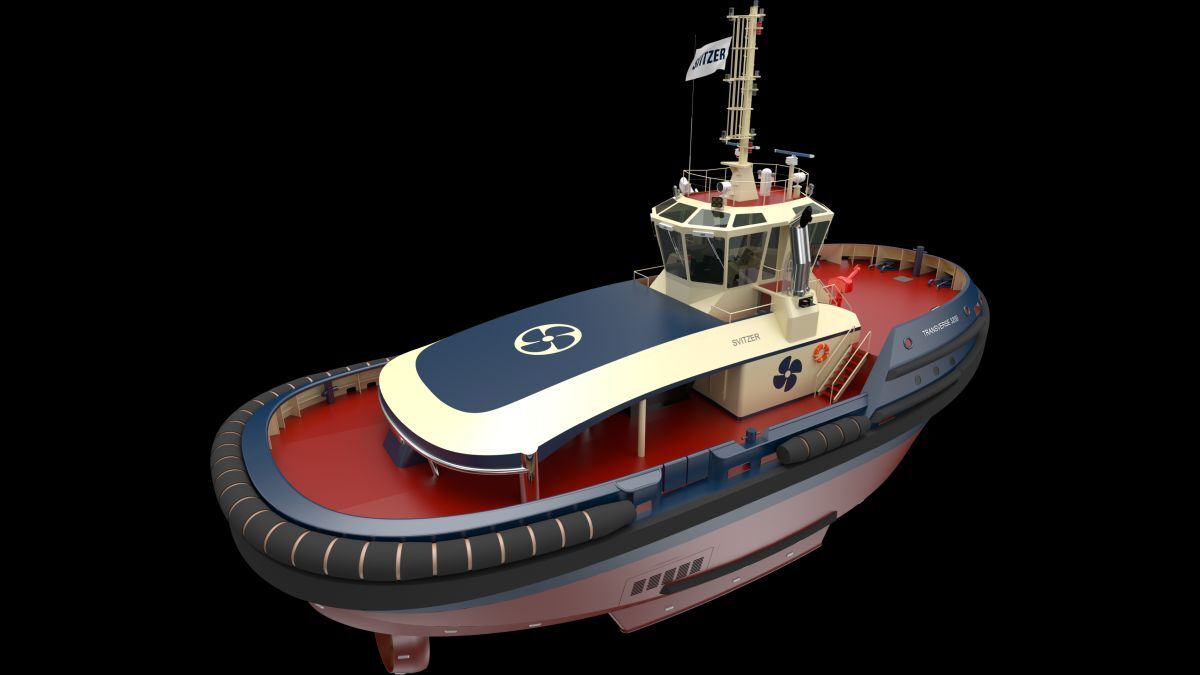
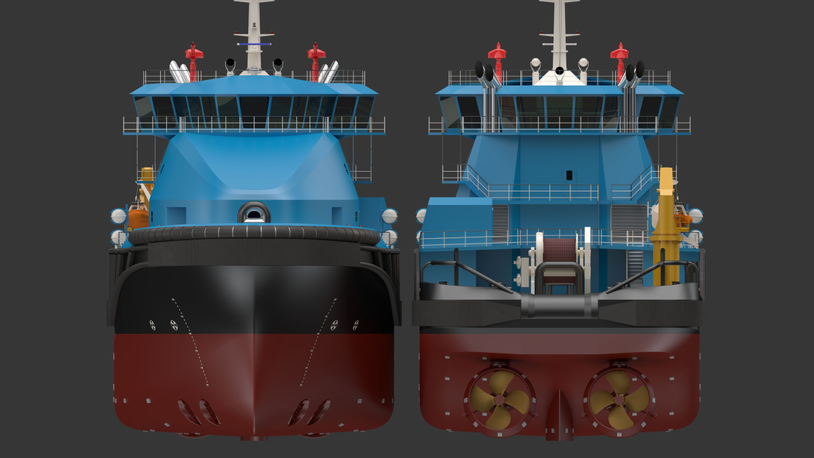
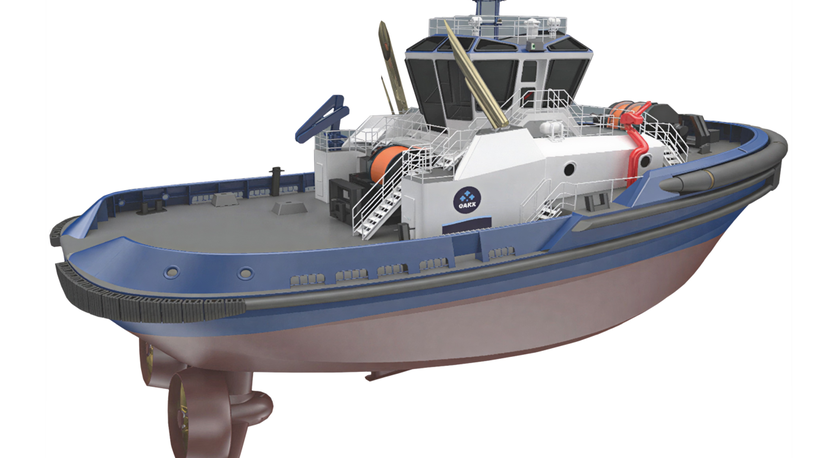
Mr Nilaus also reports a tug built by Sanmar Shipyards and designed together with Robert Allan Ltd, the TRAnsverse, is scheduled to enter service later in 2024.
The third leg in the strategy is fuel. Svitzer is the world leader in vessels using HVO, as 40-50 tugs, representing most of the UK fleet, use this alternative drop-in fuel as part of Svitzer’s Ecotow offering to customers in major ports including London, Milford Haven, Southampton and Felixstowe.
“Using HVO biofuel in the UK has a big impact on our scope 1, and customers’ scope 3 emissions,” says Mr Nilaus. “We will also experiment with alternative fuels such as methanol and batteries.”
Svitzer’s strategy for growth includes developing its employees and recruiting local crews in countries its vessels operate in, such as Greece, a market it entered in 2023 when it won a long-term contract to support a floating storage and regasification unit (FSRU).
“We are rolling out leadership training onshore and local career development, while providing opportunities for people to move around in different positions, locations and environments,” says Mr Nilaus.
“We have apprentice schemes, such as in the UK, and female cadets on tugs in Australia and Egypt. We have a strong leadership team and are set up well for independence. With more than 450 vessels in the fleet, we are the biggest in the market.”
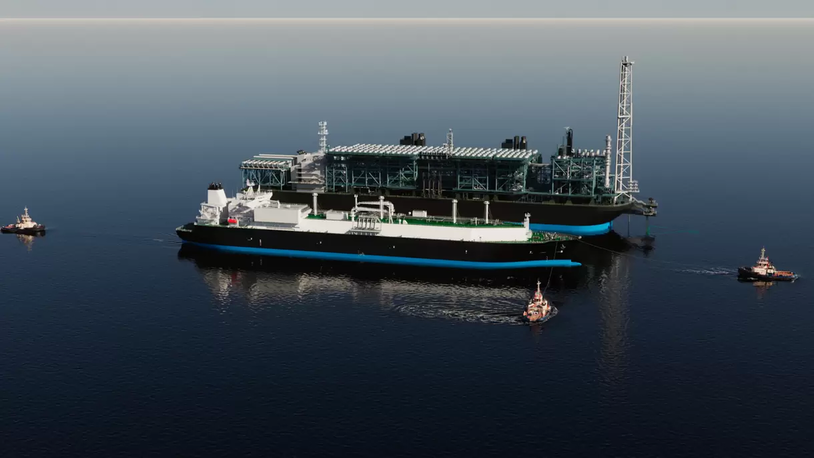
Svitzer specialises in LNG import and export terminals, mostly onshore and using FSRUs for gas imports. Mr Nilaus expects more of these contracts due to the global growth in transporting LNG for high-demand markets.
Occasionally, Svitzer’s tugs are involved in emergency response, salvage and fire-fighting. “Our tugs can assist a drifting ship or if there is a grounding adjacent to a port where we operate, or we can be a subcontractor to salvage company, but this is not a main service,” says Mr Nilaus. Nor do the Copenhagen-headquartered company’s tugs provide deepsea and coastal towage, as these are more volatile and less stable markets than harbour towage and terminal operations.
“We do harbour towage and terminal assistance where we are part of the infrastructure for high cash flow reliability and this is what we are focusing on. There is growth potential within these business areas,” he explains.
He continues, “We aim to grow in line with the market, create value for shareholders, progress on the decarbonisation journey and increase customer satisfaction, employee engagement and development.”
Svitzer set out its strategy to cut carbon intensity significantly by 2030 and to become carbon net zero by 2040.
In 2023, Svitzer reduced CO2 emissions and boosted revenues, expanded the fleet and its geographic spread. It reached a CO2 intensity reduction of 24% in 2023 compared with 2020 levels. This comes as Svitzer reported 6% growth in total revenues to Dkr5,786M (US$842M) in 2023, compared with 2022, and carried out a record number of harbour towage tug jobs, completing more than 150,000. “2023 was yet another year of solid performance for Svitzer,” says Mr Nilaus.
“We kept a steady course and delivered mission-critical, safe, reliable towage and marine services worldwide. During the year, we secured several significant commercial contracts and started up operations on several key projects, reaffirming our global leadership position,” he adds.
The 27th International Tug & Salvage Convention, Exhibition & Awards will be held in association with Caterpillar in Dubai, UAE, 21-23 May 2024. Use this link for more details of this industry event and the associated social and networking opportunities; and this link to book your ticket for the exhibition, social gatherings and awards night.

Related to this Story

Events

Maritime Regulations Webinar Week
 16 Dec 2025
 GMT - ONLINE
Floating energy: successfully unlocking stranded gas using FLNGs and FSRUs
24 Feb 2026GMT - ONLINE
© 2026 Riviera Maritime Media Ltd.


