


Business Sectors
Business Sectors
Events
Contents
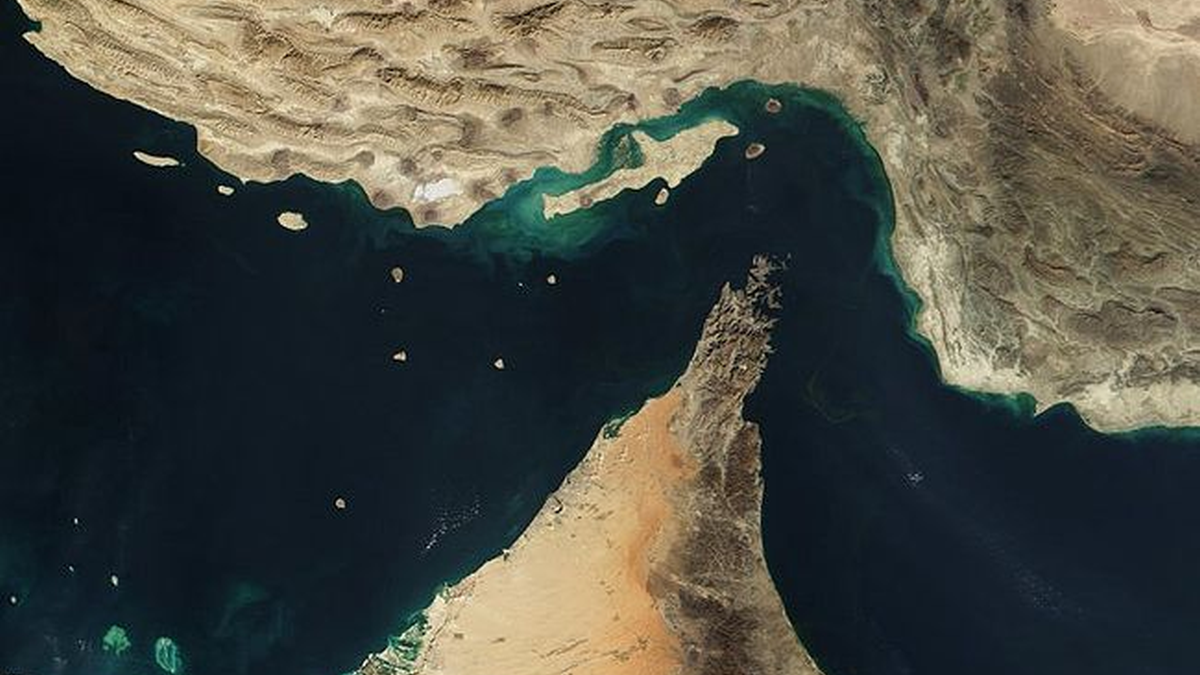
Iran 'continues to consolidate control over Strait of Hormuz'
With mines reportedly in place, the IRGC is extending its controlled access through the Strait for some, while escalating security risk for others, says maritime intelligence consultancy Windward AI


Iran’s semi-autonomous paramilitary organisation, the Islamic Revolutionary Guard Corps (IRGC), is asserting its control over the Strait of Hormuz by allowing certain vessels and cargoes to pass safely through the Strait of Hormuz.
Vessel activity data gathered by intelligence analysts at British-Israeli firm Windward AI shows what the analysts say is clear evidence that Iran is operating a "managed corridor".
"Movement (through the Strait of Hormuz) continues, but only under defined and non-transparent conditions," the firm said.
Among the examples cited by Windward AI were a pair of India-flagged LPG carriers sailing in convoy and broadcasting via AIS that their crews were Indian. A small container ship similarly transited the strait while broadcasting that its crew members were Chinese. And three bulk carriers transited the Strait, with one broadcasting that it was carrying "cargo food for Iran".
"Select energy commodities for Pakistan and India, along with crude flows to China and the Houthi-linked destinations in Yemen, are also receiving transit authorisation," Windward AI said.
Sanctioned vessels allowed to transit the Strait
Windward pointed to transits by what it called sanctioned and high-risk vessels, including an LPG carrier and a tanker.
LPG carrier Meda, Windward said, routinely calls at a Houthi-controlled port in Yemen, while US-sanctioned, Barbados-flagged North Star exited the Strait and sailed eastbound for Asia.
"North Star’s cargo is currently covered under a temporary US sanctions waiver for Iranian-origin oil already in transit, issued on Friday. The vessel itself was designated less than a month ago," Windward said.
’Zombie vessel’ transits Strait before going dark
Windward intelligence also showed the 20 March transit of a 26-year-old LNG carrier that had been identified as a so-called ’zombie vessel’, or a ship that takes on the IMO number of other, often out-of-commission, vessels.
"In this case, the IMO number of the LNG carrier corresponds to a vessel listed as ’broken up’ in the Equasis database," Windward said.
Windward tracked the vessel from its first signal in the region on 13 March at the Hamriyah anchorage in the United Arab Emirates (UAE), despite records indicating it had been sent to India’s Alang shipbreaking yard for shipbreaking in October 2025.
"Taken together, these movements point to a clear operating model," Windward concluded, noting in its latest intelligence brief that transit through Hormuz remains limited and permission-based, with vessels following a defined northern corridor.
Escalating threat environment
While it is allowing some vessels to pass, the IRGC is ’escalating’ the threat environment for other vessels, Windward reported.
"US intelligence assessments indicate the presence of Iranian naval mines within the Strait, introducing a persistent and largely invisible risk to maritime operations. While diplomatic signals suggest potential de-escalation, the physical risk to vessels transiting the waterway remains acute," the firm said.
News of the escalation of physical threats to shipping comes a day after US President Trump announced a postponement to a 21 March, 48-hour deadline threat in which the US President wrote on Truth Social that he would "obliterate" Iran’s ’power plants’ if the Strait of Hormuz were not opened.
President Trump claimed to have had "very good and productive conversations regarding a complete and total resolution of our hostilities in the Middle East ... which will continue throughout the week." An unverified report from Iran’s Fars news agency quoted an unnamed source in Iran’s Islamic Revolutionary Guard Corps as saying that "no direct or indirect" talks have taken place between the warring nations.
Previously, Omani foreign minister Badr Albusaidi has claimed that the Sultanate, which has been an intermediary for Iran and the US in nuclear negotiations, is attempting to secure safe passage for vessels through the Strait.
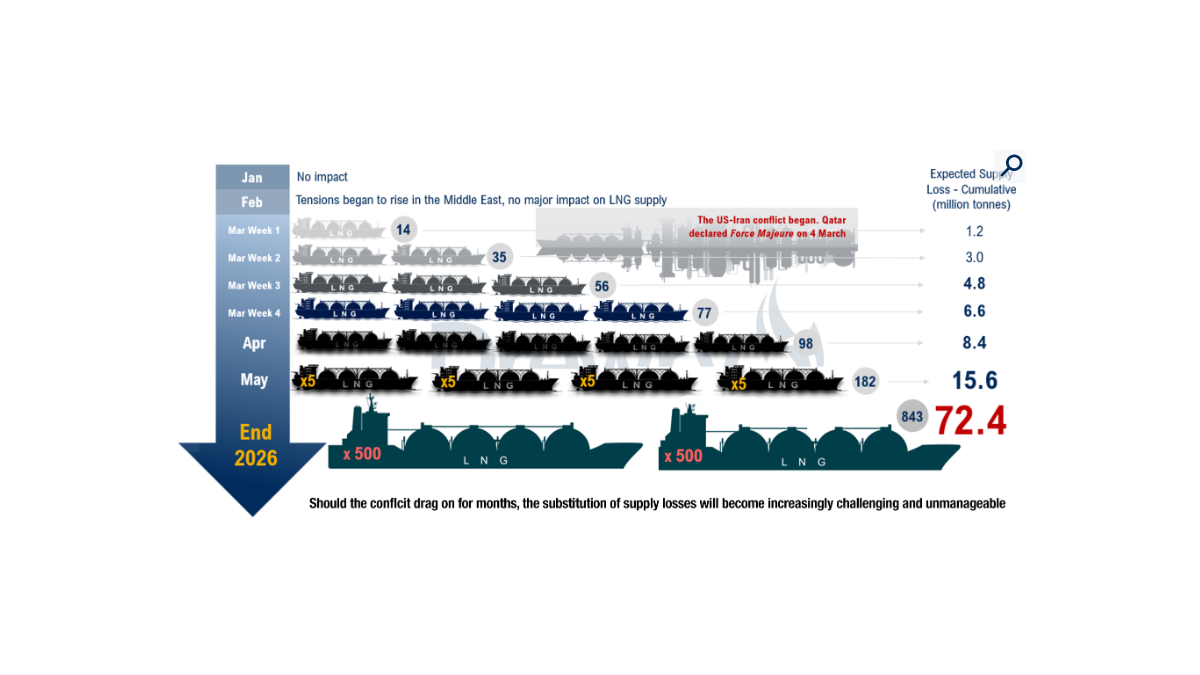
The de facto closure of the Strait to most maritime traffic has seen rates increase for tankers and LNG carriers despite the effective removal of 20% of the world’s energy flows with the Strait’s closure, and several hundred vessels unable to exit the Persian Gulf.
Riviera’s International Chemical and Product Tanker Conference will be held in London on 21-22 April 2026. Use this link for more information and to register for the event.

Related to this Story
Events

Maritime Regulations Webinar Week
 16 Dec 2025
 GMT - ONLINE
Floating energy: successfully unlocking stranded gas using FLNGs and FSRUs
24 Feb 2026GMT - ONLINE
© 2026 Riviera Maritime Media Ltd.


