


Business Sectors
Business Sectors
Events
Contents
Register to read more articles.
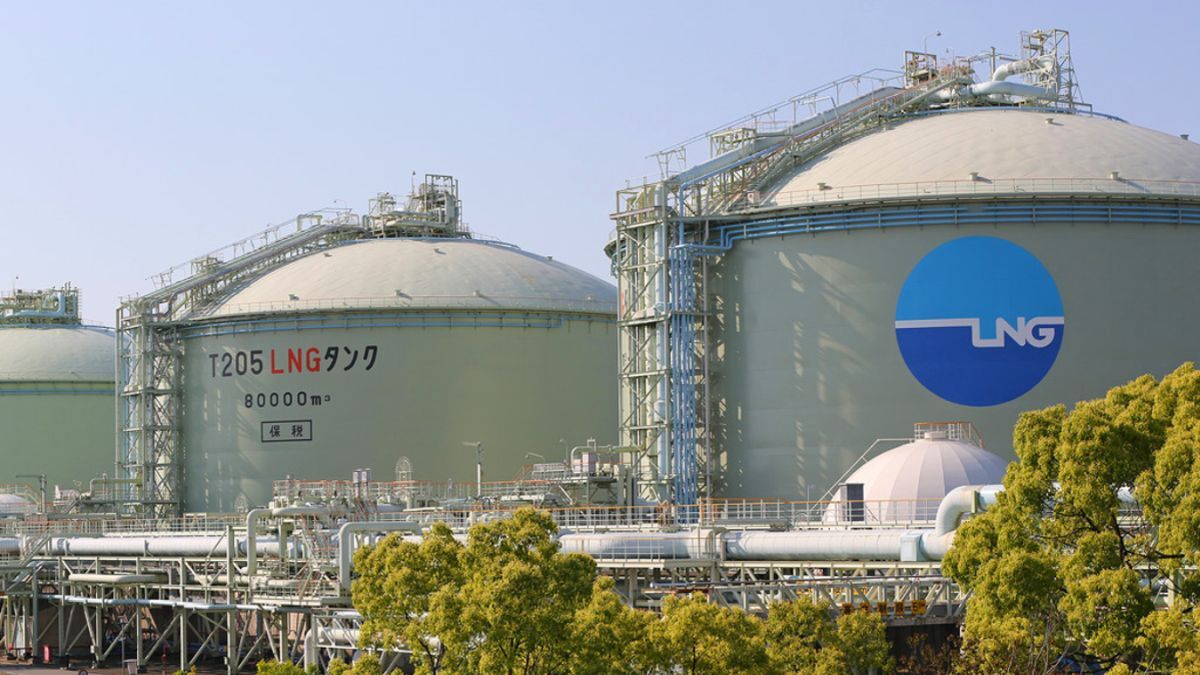
Japan maintains LNG handling amid trade shifts
Japan’s LNG handling volume rose in 2023 as domestic imports declined and external trade expanded


The Japan Organization for Metals and Energy Security (JOGMEC) has unveiled its findings on Japan’s LNG trade in its surveys of activity in 2023, noting shifts in handling volumes and contract conditions.
These surveys, conducted with input from all Japanese companies engaged in LNG trade, provide insights into Japan’s evolving energy strategy.
Japanese companies managed 103.0M tonnes of LNG in the 2023, according to the Survey on LNG Handling Volume by Japanese Companies conducted July and August 2024 across 22 Japanese LNG buyers.
This figure represents a marginal increase of 1.0M tonnes from the previous year, despite a 5.7M-tonne reduction in domestic imports, which totalled 64.9M tonnes.
The decrease in imports contrasts with a 6.7M-tonne rise in external trade volumes, underscoring Japan’s strategic pivot toward bolstering its presence trading in international LNG markets.
The second survey, focused on destination clauses in LNG sales and purchase agreements, noted a gradual easing of restrictions. The volume of LNG bound by such clauses decreased from 42% of total contracted volumes in 2022 to 39% in 2023. By 2030, this figure is expected to drop further to 34%, reflecting efforts to enhance market flexibility.
"Japanese companies are consistently meeting the 100M-tonne target while adapting to shifting domestic and international demands," the survey stated, referring to the government policy of New Strategy for International Resources degreed in March 2020.
Furthermore, JOGMEC highlighted that contracts governed by ’Take or Pay’ clauses – common in long-term agreements – remained prevalent, though expected to decline slightly by 2030.
The pricing mechanisms for LNG contracts also indicate a dynamic market.
In 2023, crude oil-linked indices, such as JCC and Brent, dominated with a 70% share. However, this is anticipated to fall to 58% by 2030, with indices linked to US gas prices, like Henry Hub, growing to 24%.
JOGMEC attributed these trends to policies under the New International Resources Strategy, which promotes increased flexibility and international engagement in LNG trade.
A JOGMEC representative remarked, “The data underscores the progress in aligning Japan’s LNG policy with evolving global market conditions.”
The survey data paints a picture of a country adapting to changing energy landscapes by leveraging external trade and modernising contract structures.
While domestic LNG imports are waning, Japan’s external trade has become a cornerstone of its strategy to maintain energy security and market influence.
Sign up for Riviera’s series of technical and operational webinars and conferences:
- Register to attend by visiting our events page.
- Watch recordings from all of our webinars in the webinar library.


Related to this Story



Events

Maritime Regulations Webinar Week
 16 Dec 2025
 GMT - ONLINE
Floating energy: successfully unlocking stranded gas using FLNGs and FSRUs
24 Feb 2026GMT - ONLINE
© 2026 Riviera Maritime Media Ltd.


