


Business Sectors
Business Sectors
Events
Contents
Register to read more articles.
Japanese consortium launches maritime ammonia fuel supply study
A consortium of Japanese companies is working towards building the nascent ammonia fuel supply infrastructure


NYK Group, JERA and Resonac Holdings Corp signed an agreement 12 December to jointly study the supply of ammonia as fuel to ships.
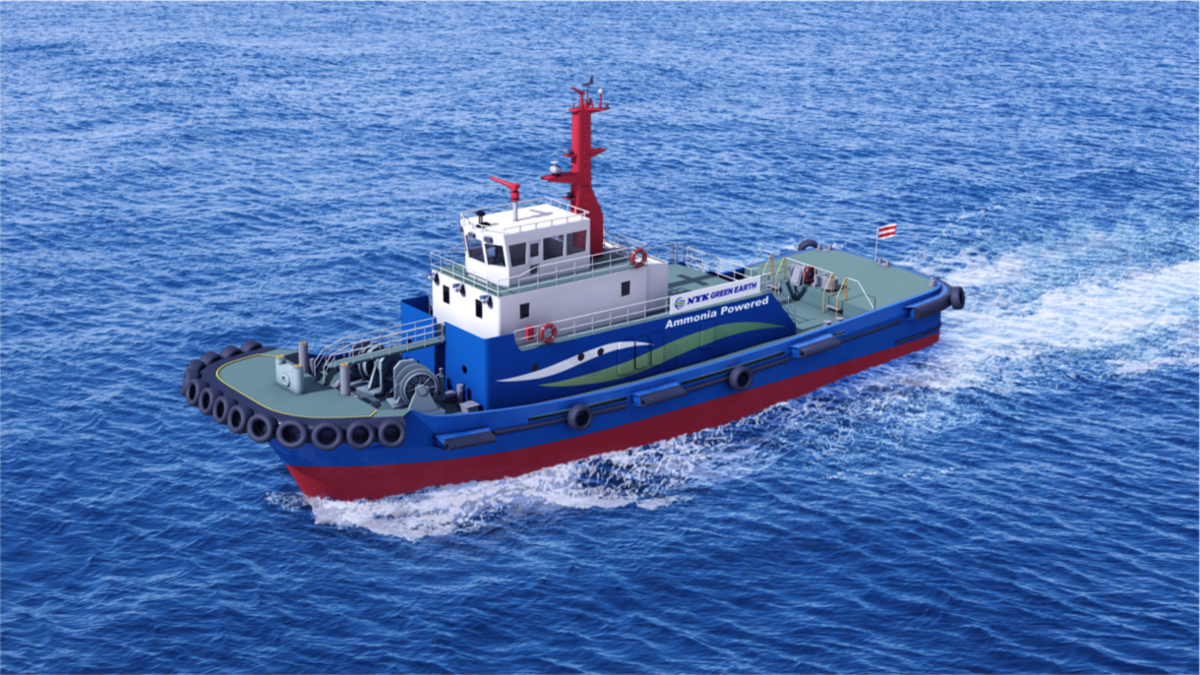
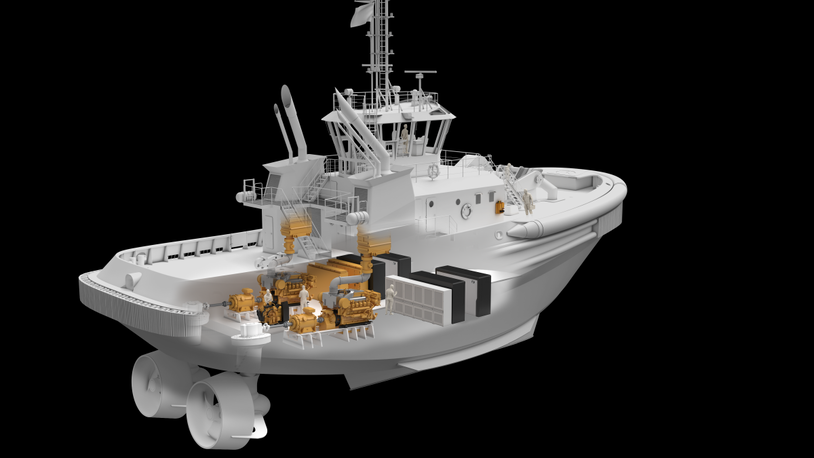
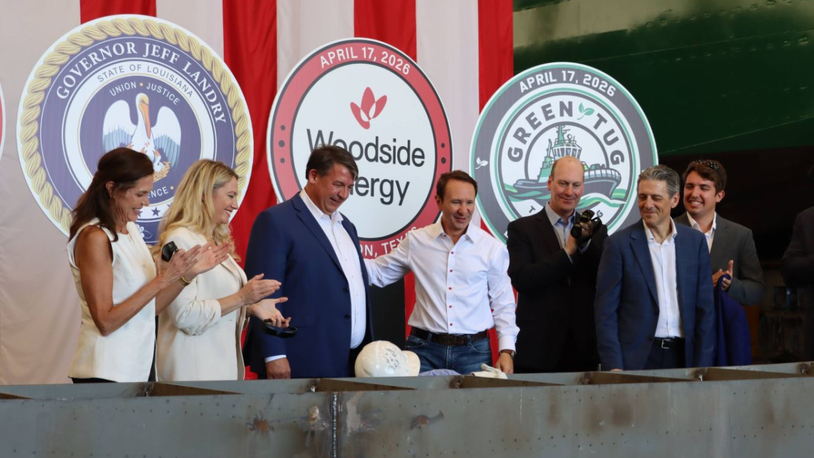
As part of the Green Innovation Fund Project of the New Energy and Industrial Technology Development Organization (NEDO), NYK is researching a tugboat equipped with a domestic ammonia-fuelled engine together with other partner companies. As part of this initiative, in conjunction with the completion of A-Tug scheduled for next June, NYK said it will work with its partners to safely and securely supply ammonia fuel to ships.
As the energy shift gathers pace, the shipping industry is facing the urgent task of reducing greenhouse gas emissions. Oil will give way to LNG, which will in turn give way to next-generation zero-emissions fuels such as hydrogen and ammonia.
While ammonia does not emit carbon dioxide when combusted, it does pose health risks in case of leaks.
The consortium partners said the joint study will explore safe methods for supplying, transporting and receiving ammonia as marine fuel to and from the port area and lobby authorities to formulate rules on supplying ammonia as a marine fuel.
Last year, a study by TotalEnergies and Bureau Veritas indicated the safety risks posed by ammonia. With an LNG-fuelled tanker serving as a model for comparison, the study showed a stark contrast between the two fuels. LNG becomes dangerous at its lower flammability limit, around 50,000 parts per million (ppm), while ammonia has negative health effects at just 30 ppm when permanently exposed, or around 300 ppm when exposed for one hour.
As with methane slip in LNG, leak mitigation and treatment remain the best course of action for shipowners and designers planning on using ammonia technology.
Currently, there are no examples of bunkering ammonia as marine fuel for ships equipped with ammonia-fuelled engines.
This week, Bureau Veritas awarded engine maker WinGD an AiP for a safety concept describing how risks associated with using ammonia as a fuel are controlled under reasonably foreseeable abnormal conditions, as well as possible failure scenarios and their control measures and is therefore a key element for demonstrating a safe engineroom concept and the capability for safe vessel operation using ammonia as fuel.
The AiP follows confirmed orders for WinGD’s X-DF-A engines which will be available in two bore sizes with delivery from Q1 2025.
Sign up for Riviera’s series of technical and operational webinars and conferences in 2023:
- Register to attend by visiting our events page.
- Watch recordings from all of our webinars in the webinar library.

Related to this Story
Events

Maritime Regulations Webinar Week
 16 Dec 2025
 GMT - ONLINE
Floating energy: successfully unlocking stranded gas using FLNGs and FSRUs
24 Feb 2026GMT - ONLINE
© 2026 Riviera Maritime Media Ltd.


