


Business Sectors
Business Sectors
Events
Contents
Register to read more articles.
Marine fuel tightness looms as Middle East tensions restrict vessel movements
The global bunker industry has warned of potential marine fuel tightness as tensions in the Middle East persist, with ports repeatedly attacked and prices continuing to rise


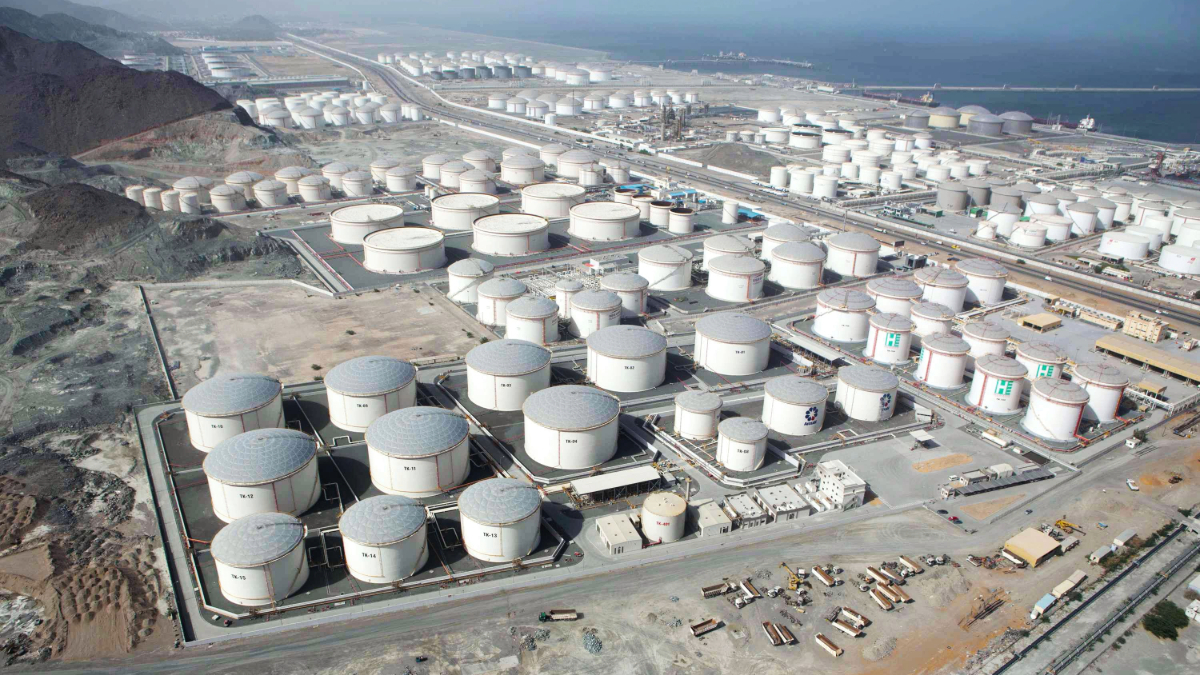
Meanwhile, another fire has been reported in Fujairah, one of the world’s largest bunkering hubs, temporarily halting oil loading operations.
IBIA – The International Bunker Industry Association executive director, Alexander Prokopakis, told Riviera that the limited availability observed at certain ports reflects force majeure measures and heightened safety protocols, rather than a product shortage.
“As the situation continues and vessel movements remain restricted, physical product tightness may emerge simply because cargoes are not moving in and out of the region,” he said.
Mr Prokopakis added that, given the high level of uncertainty and the volume of unverified information circulating, IBIA remains extremely cautious about the data it communicates publicly.
“IBIA continues to monitor the situation closely and remains available to support our members. Our focus, now and always, is the safety of seafarers and crews, and the stability of the industry,” he emphasised.
Transits through the Strait of Hormuz remain constrained. Kpler recently warned that these restrictions could severely disrupt fuel oil supply. In January alone, the Middle East Gulf exported over 4,200 kt (thousand tonnes), with Singapore – the world’s largest bunkering hub – particularly vulnerable.
BRS Shipbrokers reported in its latest weekly briefing that, in Singapore, the price of high-sulphur fuel oil (IFO380) rose by 65% from the outbreak of the conflict to the second week, while very low sulphur fuel oil (VLSFO) prices increased by 58% over the same period.
Data from Ship & Bunker shows the global average VLSFO price climbed to US$1,012 per tonne on 13 March, up from US$979 per tonne the previous day. On 27 February, one day before the war began, the price was US$576 per tonne.
BRS noted that much of the oil trapped in the Persian Gulf is medium-sour crude, which produces high yields of diesel and jet fuel. Alternative supplies from the Atlantic Basin are generally lighter grades, generating a different product mix and requiring longer transport times.
“Conventional bunkers used for voyages on the high seas are generally HSFO and VLSFO. The latter is often made by blending heavier, high-sulphur residual oils with lighter, low-sulphur distillates to achieve the desired sulphur content,” BRS explained.
New attack on Fujairah
Meanwhile, Reuters reported on 16 March that oil loading operations had resumed at the port of Fujairah in the UAE after an earlier halt caused by a fire.
The Fujairah Media Office noted on X that the blaze broke out in the Fujairah Petroleum Industries area following a drone strike, with no injuries reported.
“Civil defence teams in the emirate immediately began dealing with the incident and continue their efforts to bring it under control,” the announcement added.
According to Reuters, loading operations had also been disrupted over the weekend following a separate drone attack.
Riviera’s Tankers 2030 Conference will be held in Singapore, 19-20 November 2026. Use this link for more information and to register for the event.




Related to this Story



Events

Maritime Regulations Webinar Week
 16 Dec 2025
 GMT - ONLINE
Floating energy: successfully unlocking stranded gas using FLNGs and FSRUs
24 Feb 2026GMT - ONLINE
© 2026 Riviera Maritime Media Ltd.


