


Business Sectors
Business Sectors
Events
Contents
Register to read more articles.
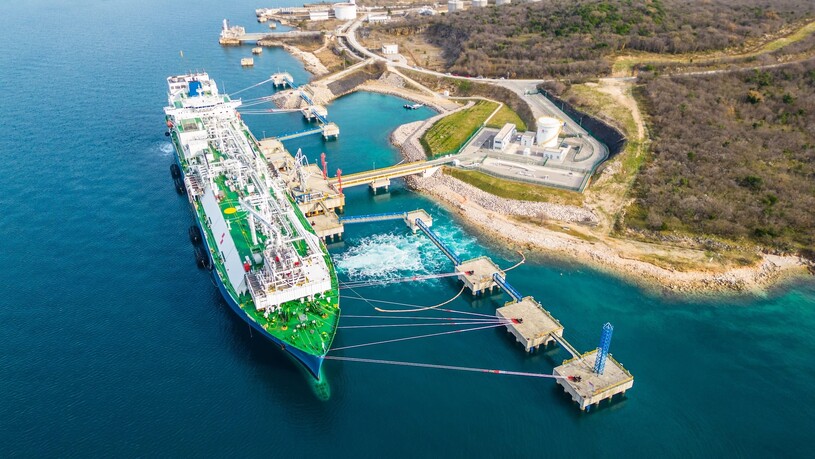
Japanese maritime cluster aims to advance propulsion systems on LNG carriers
NYK Line, Namura Shipbuilding Co Ltd and Sasebo Heavy Industries are collaborating to replace the main propulsion on steam turbine driven Moss-type LNG carriers


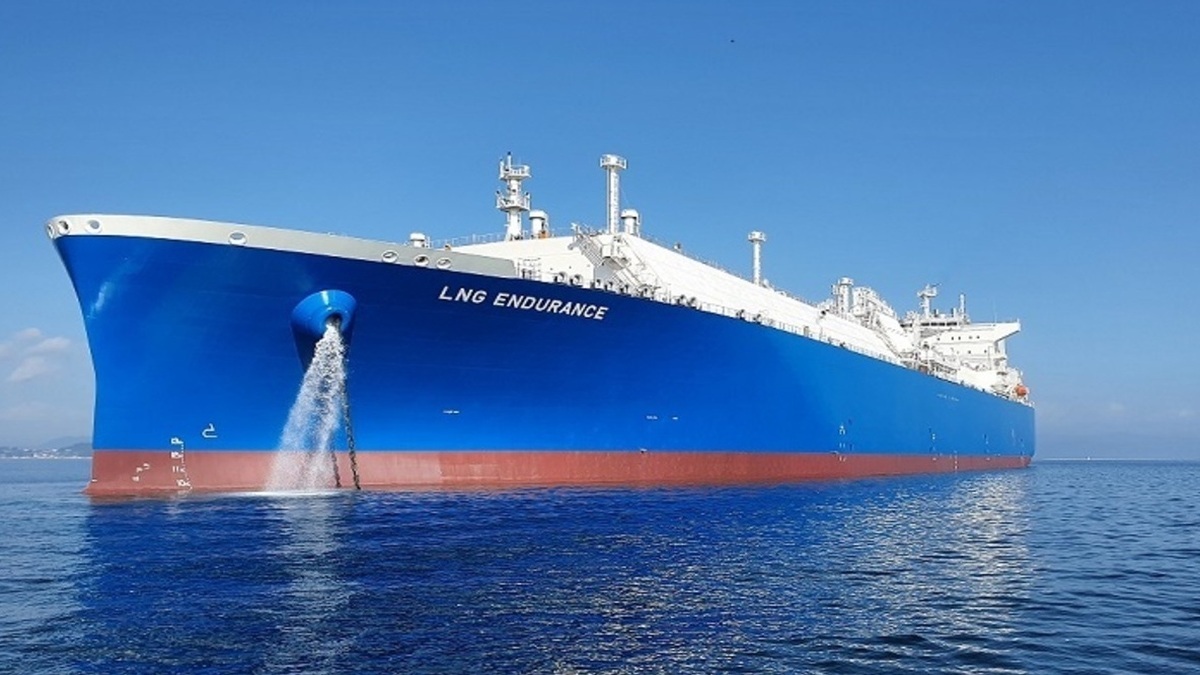
While LNG transport demand is expected to grow steadily, NYK said the present shortage of LNG carriers is a concern due to the limited number of new carriers that can be ordered and the retirement of steam turbine driven LNG carriers due to their inferior fuel economic performance compared with diesel engine LNG carriers.
Steam turbine vessels account for about a third of the LNG trading fleet and are expected to come under increasing scrutiny as new regulations like the Carbon Intensity Indicator and the EU Emissions Trading System come online from next year.
Many of the smaller steamers stand in contrast to the modern 174,000-m3 standard size LNG carriers and their inefficiencies make them candidates for potential phase-outs. Demand for LNG continues to grow but LNG newbuild prices are at high levels. The price tag for a standard-sized newbuilding is more than US$240M.
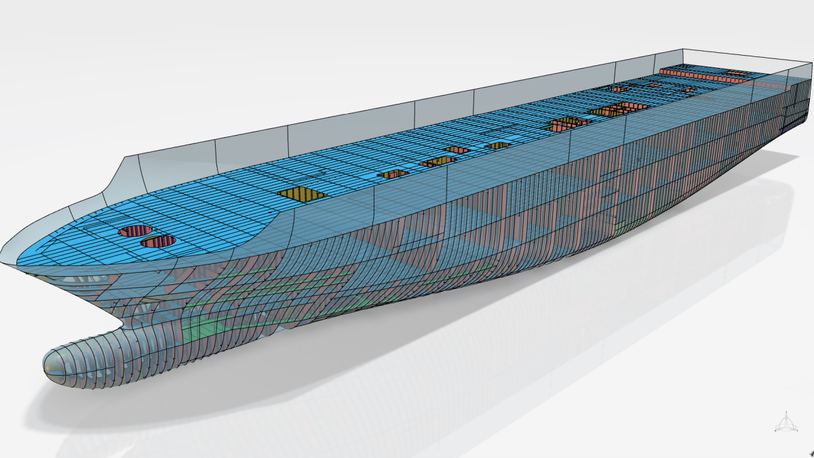
The partners are focused on this particular problem, aiming to replace the main propulsion of steam turbine driven LNG carriers with dual-fuel, low-speed diesel engines called X-DF engines. They believe Moss-type LNG tanks – a spherical tank with a thick structure that was used in many Japanese-built carriers – installed on steam turbine driven LNG carriers – are durable and can withstand long-term use.
In October, Japanese classification society ClassNK granted NYK an approval in principle (AiP) for converting the steam turbine of an LNG carrier to a dual-fuel diesel engine. This is the first AiP granted by ClassNK for main engine conversion on LNG carriers.
With the basic design complete, the three companies said they plan to move to a detailed design of the steam turbine conversion.
Sign up for Riviera’s series of technical and operational webinars and conferences in 2023:
- Register to attend by visiting our events page.
- Watch recordings from all of our webinars in the webinar library.

Related to this Story

Events

Maritime Regulations Webinar Week
 16 Dec 2025
 GMT - ONLINE
Floating energy: successfully unlocking stranded gas using FLNGs and FSRUs
24 Feb 2026GMT - ONLINE
© 2026 Riviera Maritime Media Ltd.


