


Business Sectors
Business Sectors
Events
Contents
LNG carriers make up more than half of South Korean shipyards' orderbooks
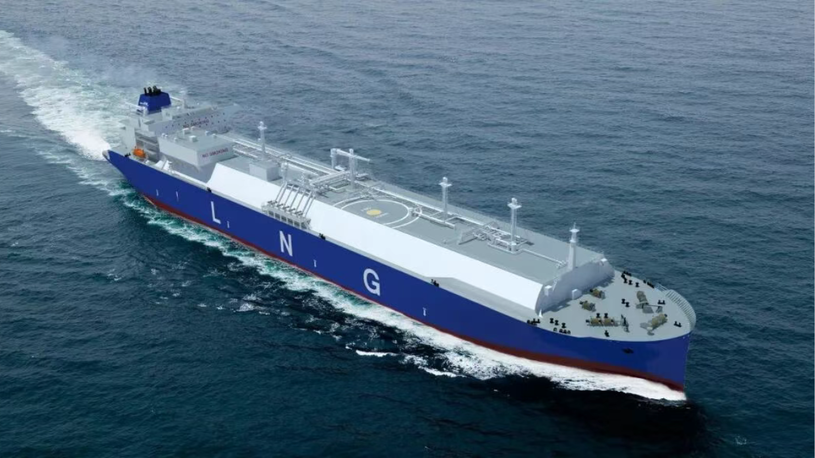
With some 276 gas carriers on order, South Korea’s shipbuilding industry is benefiting from a historic burst of LNG carrier orders in recent years


Analysis of VesselsValue’s South Korea shipbuilding industry data by Veson Nautical senior analyst Rebecca Galanopoulos reveals the extent to which the nation’s shipbuilders are profiting from a historically large newbuilding push in both container shipping and the maritime transport of LNG.
The LNG newbuild segment tops South Korea’s orderbook value list, worth some US$71.3Bn and accounting for around 52% of total shipbuilding tonnage. The LNG shipping sector also has the highest volume of orders, at 276 vessels.
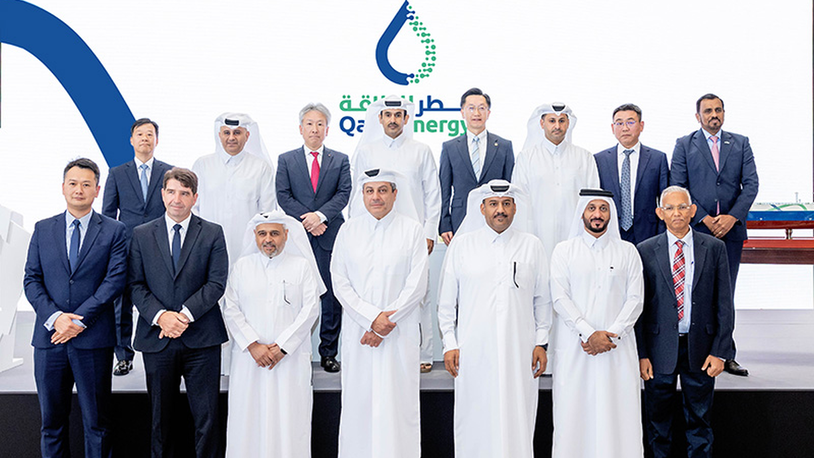
With Qatar’s recent, years-long investment in LNG carriers, much of the newbuild orderbook for the LNG sector is tied to the country’s expansion of its North Field expansion, which will increase the country’s LNG production capacity from 77M tonnes per annum to 142M tonnes per annum by 2030. The completion of this programme cements QatarEnergy’s position as a key driver of LNG carrier demand, with a focus on fleet replacement and future-proofing operations.
Qatari state-owned entitites have 54 vessels ordered. Qatar Gas Transport ranks third in value for South Korean shipbuilding, with an orderbook worth US$6.9Bn, consisting of 29 vessels primarily of the large and Qmax LNG classes of carriers. Qatar Energy is ranked fourth overall, with an orderbook value of US$6.5Bn, consisting of 25 large LNG vessels of approximately 175,000 m3.
Among the top individual shipowners, NYK places second for Korean yards, with a total of US$7.2Bn in ship orders that include 26 large LNG vessels of 174,000 m3 and three very large ammonia carriers of 88,000 m3. In addition to these vessels on order in South Korea, NYK has a further 56 vessels on order in Chinese, Japanese and German yards, including additional orders for LNG and LPG carriers, bulkers and tankers, according to VesselsValue’s data.
Newbuild orders in 2024 for all types of vessels surged to the highest level in over 15 years, according to year-end figures from Clarksons Research, with shipowners investing in 93 alternative-fuel-capable LNG carriers. Overall, some 70% of alternative-fuelled tonnage (excluding LNG carriers, which are built as dual-fuel by default) featured LNG dual-fuel capability, up from 43% the previous year.
As 2024 drew to a close, QatarEnergy revealed it would be, for now, ending its out-sized impact on LNG newbuild activity. The state-backed company finalised its massive 128-ship fleet expansion programme with agreements for six Q-Flex LNG carriers. These final vessels, each with a capacity of 271,000-m³, will be built by Hudong-Zhonghua Shipbuilding and delivered between 2028 and 2031.
The LNG carrier market is on pace for a major influx of new tonnage in 2025, with at least 30 LNG carriers scheduled for delivery in the first quarter; January was due to have seen six vessels delivered, including four from Samsung Heavy Industries and one each from Zvezda and Hyundai. A dozen LNG carriers were set to enter service in February. QatarEnergy, MOL and K3 Consortium are among the key owners receiving deliveries, reflecting increased investment in LNG shipping from major global energy players.
March deliveries were to have seen another 12 ships joining the global LNG carrier fleet. Among the notable vessels set for delivery, Dynagas was to have taken delivery of a 200,000 m3 LNG carrier, one of the largest in the new fleet.
Connect with industry leaders across the Asian and Middle Eastern maritime sectors through Riviera’s premium events. Located conveniently in Singapore, we provide unparalleled access to the heart of the Asian maritime market.

Related to this Story
Events

Maritime Regulations Webinar Week
 16 Dec 2025
 GMT - ONLINE
Floating energy: successfully unlocking stranded gas using FLNGs and FSRUs
24 Feb 2026GMT - ONLINE
© 2026 Riviera Maritime Media Ltd.


