


Business Sectors
Business Sectors
Events
Contents
Turbochargers and the path to maritime decarbonisation and efficiency
Global regulatory push for low- and zero-carbon fuel use is driving turbocharger innovation


Napier Turbochargers has been a stalwart in the marine industry for over six decades, producing more than 60,000 units that power vessels across global oceans. As part of Wabtec Corp since 2013, the company has honed its expertise in high-efficiency turbochargers for marine propulsion, emphasising durability in harsh environments and compatibility with diverse fuels.
While the drive is still towards maritime decarbonisation, driven by the changing and constantly updated IMO regulations mandating reductions in greenhouse gas emissions, Napier is forging ahead adapting turbocharger designs to embrace the range of potential low- and zero-carbon fuels like natural gas, biofuels, and hydrogen blends. This is easier said than done, because until there is a clear leader in the ‘alternative’ fuel race, there are quite a few bases to be covered.
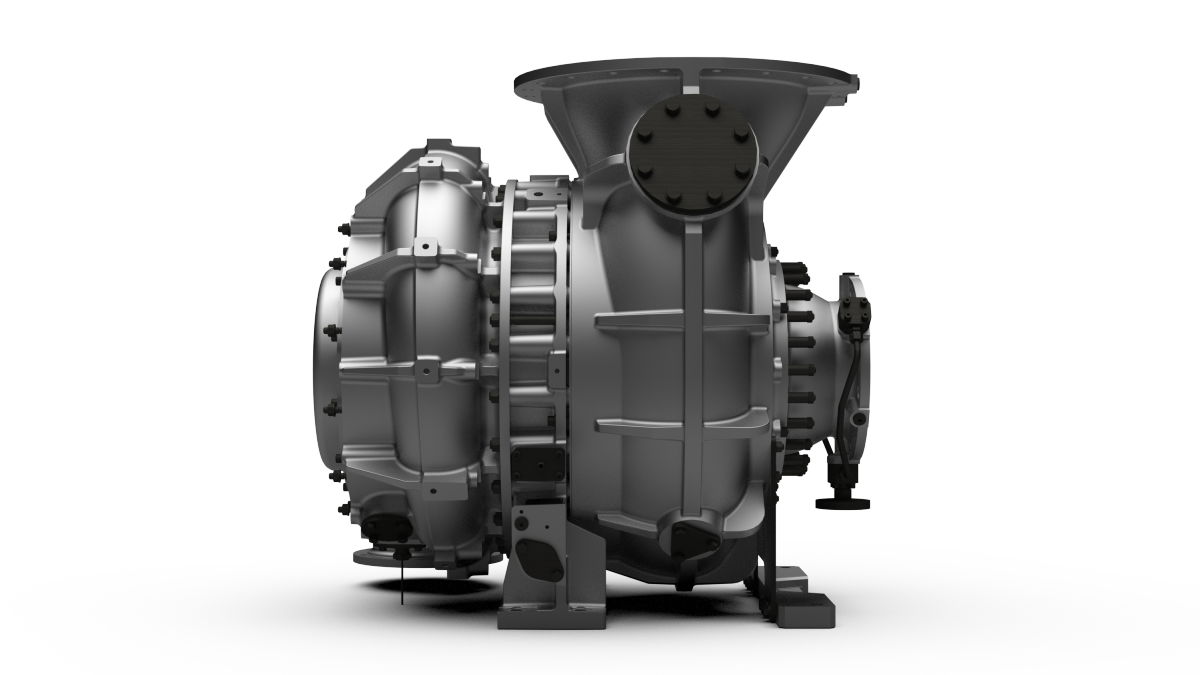
The regulatory push for maritime decarbonisation is certainly influencing turbocharger design at Napier. Traditional marine diesel engines, reliant on heavy fuel oil and marine diesel oil, are giving way to alternatives that demand turbochargers capable of handling variable combustion characteristics without compromising performance. Napier’s latest developments, such as the NT Series, exemplify this evolution. Launched with market-leading efficiencies, these turbochargers incorporate advanced aerodynamic profiles that optimise air intake across a broader range of engine loads.
“We specialise in retrofitting older engines to align with current standards”
During a recent discussion with Napier, it was clear that continuous developments are ongoing to constantly improve the company’s offerings. For instance, in response to the uptake of low-carbon fuels, Napier has engineered units that maintain high-pressure ratios even with fuels of lower calorific value, ensuring engines operate at peak efficiency.
Napier business development executive, Sam Tonks, said: “Alongside our core expertise in supplying OEMs with cutting-edge turbochargers that meet both current and future emissions regulations, we also specialise in retrofitting older engines to align with current standards as well as provide benefits of fuel saving. This approach helps engine operators avoid the high costs of investing in entirely new technologies, significantly reducing their overall cost of ownership while ensuring compliance and performance.”

Mr Tonks said Napier collaborates with OEM engine manufacturers to advance “turbocharger technologies that maximise combustion efficiency and emissions control across alternative fuel platforms such as methanol, ammonia, and LNG.” He said the company’s systems are designed to deliver precise air management and robust thermal performance, enabling significant reductions in NOx, SOx, and CO2 emissions. “These developments support compliance with IMO Tier III and emerging regulatory frameworks, while allowing retrofit solutions that extend the lifecycle and environmental viability of existing marine engines,” added Mr Tonks.
One of the main driving forces for Napier is to enable a seamless transition to sustainable fuels while reducing fuel consumption by up to 10-15% in retrofitted systems. This design flexibility addresses the challenge of fluctuating fuel quality, a common issue in global shipping routes, by incorporating corrosion-resistant materials and enhanced sealing systems to prevent leaks and maintain integrity over longer periods. Another potential development down the line may be the development of fuel cells, where only the compressor side of a turbocharger would be required to drive the air across the fuel-cell pack, so an electrically driven turbocharger might be the answer.
Efficiency is central to Napier’s strategy, and by integrating computational fluid dynamics (CFD) in design processes, the company has reduced energy losses in compressor and turbine stages, allowing engines to achieve lower specific fuel consumption (SFC). In marine applications, where vessels operate under varying loads, from idling in ports to full throttle at sea, this translates to significant energy savings. Napier’s retrofitting programmes further amplify these benefits; upgrading older turbochargers with NT1 or NT2 models can extend engine life by 20-30%, improve power output, and cut emissions through better combustion control.
For example, in power generation sets aboard ships, these upgrades support dual-fuel operations, blending HFO with natural gas to lower carbon intensity. The result: vessels comply with Energy Efficiency Design Index standards while minimising operational costs, aligning with the industry’s goal of net-zero by 2050.
Best practices for turbocharged marine engines, as advocated by Napier, revolve around holistic system integration and proactive management. First, operators should prioritise fuel quality monitoring to prevent contaminants from eroding turbine blades, a risk amplified with biofuels. Regular inspections using borescopes can detect early wear, but Napier’s good practice recommendation is to adopt variable speed operations that match turbocharger output to engine demand, avoiding surge or choke conditions that waste energy.
Supporting ammonia
Napier’s trajectory is one of innovation amid uncertainty. With investments in hybrid turbocharger concepts, combining electric assist for low-load efficiency, the company is poised to support emerging zero-carbon technologies like ammonia-fuelled engines.
Challenges remain, such as material compatibility with corrosive alternative fuels, but Napier’s collaborative approach with engine OEMs promises solutions. As maritime decarbonisation gathers pace, Napier’s turbochargers will not only power ships but propel the industry toward a sustainable horizon, balancing environmental imperatives with economic viability.
As the maritime industry navigates towards net-zero, Napier sees turbochargers as enablers rather than mere accessories. They will of course, continue innovating for fuel flexibility and efficiency, collaborating on hybrid systems or hydrogen applications. Partnerships with major OEM’s and Future R&D may focus on digital twins for predictive maintenance and materials for extreme conditions.
Yet challenges remain. Regulatory flux and supply chain issues mean working with engine makers, shipowners, and regulators is key to accelerating decarbonisation.
Napier’s story is one of adaptation, turning a century-old technology into a cornerstone of modern sustainability. As vessels worldwide adopt greener fuels, and endeavour to reduce emissions that are harmful to people and the environment, companies like Napier ensure the journey is efficient, reliable, and environmentally sound. It is a challenging environment, but one that innovative companies like Napier revel in and are stepping up to that challenge.

Related to this Story

Events

Maritime Regulations Webinar Week
 16 Dec 2025
 GMT - ONLINE
Floating energy: successfully unlocking stranded gas using FLNGs and FSRUs
24 Feb 2026GMT - ONLINE
© 2026 Riviera Maritime Media Ltd.


