


Business Sectors
Events

Floating energy: successfully unlocking stranded gas using FLNGs and FSRUs
 24 Feb 2026
 GMT - ONLINE
Contents
Register to read more articles.
Grieg Star invests in dry cargo ships prepared for ammonia use
Grieg Star is preparing to tackle the green energy transition by making its newbuilding ships ready to adopt ammonia


Despite the risk, toxicity and safety issues, the Norwegian shipowner is betting on ammonia being the future fuel for its shortsea and deepsea operations in the future. Its newbuilding dry bulk carriers will all be built with engines consuming diesel now, but ready for ammonia to be added when it is available as a marine fuel.
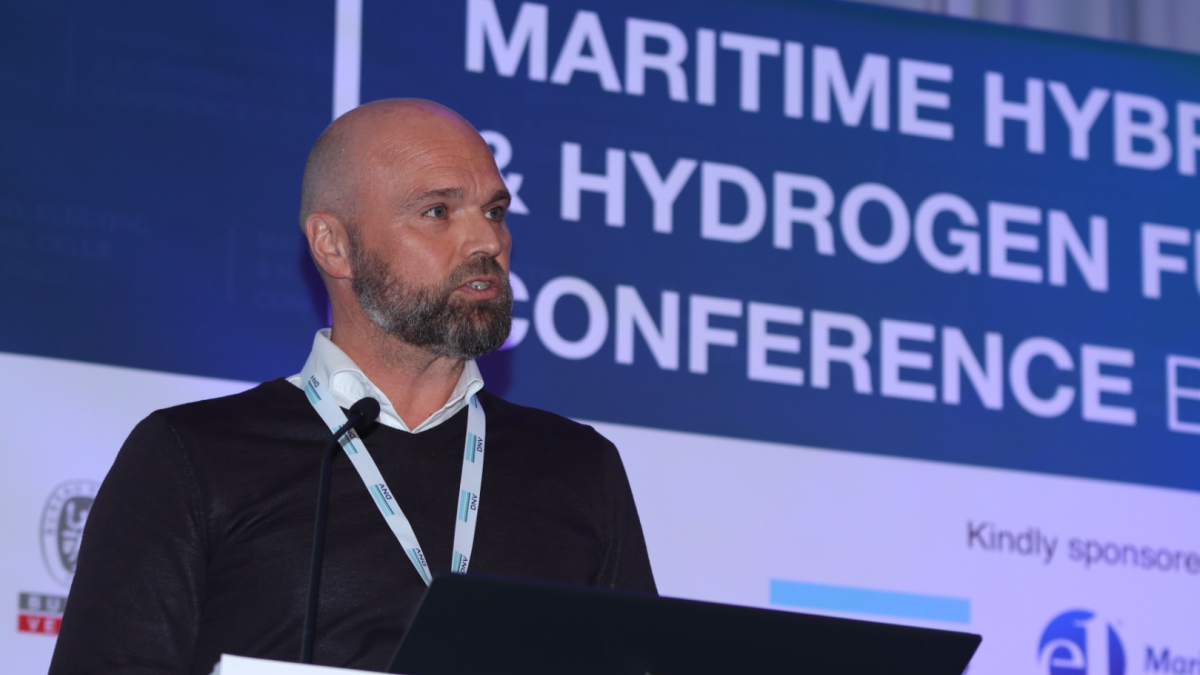
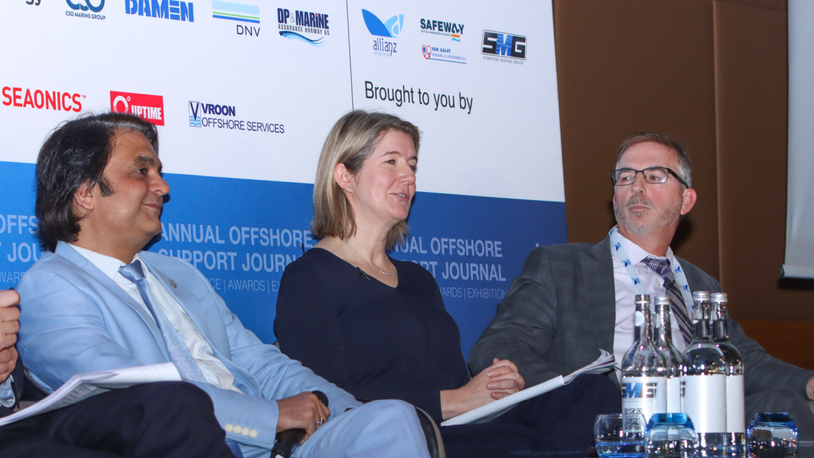
Grieg Star managing director Atle Sommer said the group has ordered four open-hatch bulk carriers and four cargo ships for shortsea shipping ready to be retrofitted for ammonia fuels at Riviera Maritime Media’s Maritime Hybrid, Electric & Hydrogen Fuel Cells Conference in Bergen, Norway, 18 October.
They will be ready to consume biofuels as a drop-in fuel from their delivery. “Ships sailing through the energy transition cannot be green from the start, they need to meet requirements and targets, but would need to use green fuels before 2030,” he said.
Engines will run on marine gasoil from the start, but when ammonia is available in ports, this can be stored in tanks on the open deck and run through the engines for zero-carbon emissions.
“Construction of new vessels to run on ammonia alone would be a costly endeavour,” said Mr Sommer. “Our new open-hatch vessels will be ammonia-ready and run on marine gasoil with energy efficiency, and be designed to enable the addition of ammonia tanks on open deck and handling systems for fuel flexibility.
“This will be necessity in the long term as many ports will need to make green ammonia available, but its production is waiting for client take off, and the shipping industry is waiting for availability before making investments.”
During the conference, Danish Ship Finance head of innovation and research Christopher Rex provided insight into what needs to change to encourage more investment in green shipping. He said current business models are limiting the economic incentives to reduce emissions and charterers seem to be unwilling to pay for upgrades, retrofits and green newbuilds.
“Business models need to change or charter periods must lengthen substantially to 10-15 years to enable investment in emissions reductions,” said Mr Rex.
“Ownership consolidation is expected, as there are many small and medium-sized owners, and they will find it difficult to meet targets. So, they may look at consolidating or operating in pools, or co-investing in low-emissions ships.”
He expects mergers, acquisitions and consolidation involving these medium and small owners for economies of scale.
“The competitive landscape will likely change when climate regulations translate into earnings, taxes and payments to EU’s ETS – and this becomes more expensive, so over time, higher-performing ships will be better for business,” said Mr Rex.
“Business cases are not straightforward and not all vessels can be retrofitted. More vessels are likely to be operated on long-term contracts to allow further investments in energy efficiency and charterers will need to be willing to pay more for ships ready for methanol and ammonia fuel.”
He expects by 2030, there will be business model innovations and changes in commercial contracts; more shipping industry collaboration and profound changes in the competitive landscape. “Traditional tonnage providers are most exposed,” he said.
Riviera Maritime Media’s International Bulk Shipping Conference will be held 20 November 2023 in London, UK. Use this link for further information and to register your interest

Related to this Story


Events

Maritime Regulations Webinar Week
16 Dec 2025GMT - ONLINEFloating energy: successfully unlocking stranded gas using FLNGs and FSRUs
24 Feb 2026GMT - ONLINE
© 2024 Riviera Maritime Media Ltd.


