


Business Sectors
Business Sectors
Events
Contents

Register to read more articles.
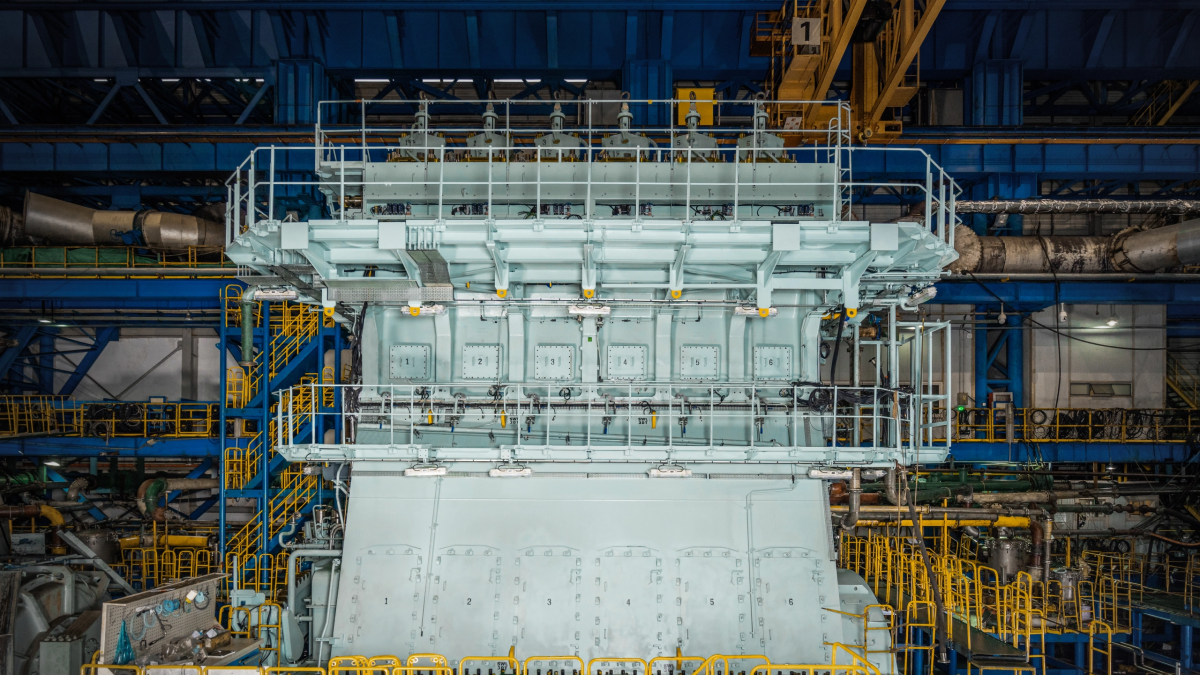
Shipowners look to LNG to bridge a wider gap


Since early in shipping’s decarbonisation process, LNG has been viewed by many as a pragmatic fuel: a lower-emissions option that avoids the cost and technology risks associated with green fuels until a better solution emerges. That transition may now last longer than expected.
While anticipation of tighter global emissions rules has driven increased investment in alternative marine fuels such as methanol and ammonia, the October 2025 postponement of the vote on IMO’s Net Zero Framework means many shipowners still see LNG as a safe choice. Indeed, LNG dominated the alternative-fuelled newbuild market last year despite a general slowdown in the adoption of alternative fuels, with 188 vessels (excluding LNG carriers) representing 31% of total gross tonnage ordered.
For shipowners, it seems, LNG still ticks many of the right boxes. It is a mature marine fuel, with well-established bunkering infrastructure and global supply chains. It is already commercially available at scale and remains relatively cost-competitive, typically trading at only a modest premium to very low-sulphur fuel oil. Compared with conventional marine fuels, LNG can reduce CO2 emissions by 20-30% while cutting NOx by up to 90% and SOx by 99%.
That cleaner profile matters as emissions regulation reshapes shipping economics. The EU Emissions Trading System, which prices CO2e emissions, and FuelEU Maritime, which mandates a progressive reduction in the greenhouse gas (GHG) intensity of energy used by ships, are steadily ratcheting the financial costs of emissions. Similar market-based measures are under discussion in other regions, potentially widening the net of financial penalties on high-emitting vessels even as a global framework remains unresolved.

Modelling fuel pathways
Although the form and rollout schedule of IMO’s GHG measures may shift, the underlying regulatory trajectory will not. Shipowners must prepare to meet the IMO’s adopted ambition of net-zero emissions by or around 2050, as well as indicative checkpoints in 2030 and 2040.
But without full clarity, it is difficult to model the economics of future compliance with confidence. Move too early into expensive green fuels, and operators risk undermining their own competitiveness; move too slowly, and they risk exposure to potentially substantial regulatory penalties. Without a global policy incentivising the uptake of green fuels, most vessels will continue to be built to use conventional fuels rather than risk next-generation fuels, whose long-term availability, infrastructure, and pricing remain uncertain.
The new interest in orders shows that LNG is being viewed as a transitional platform that can take vessels right through to 2050. And for those newbuilds designed to run on conventional fuel oil, retrofitting mid-life to LNG could provide a practical route to reducing emissions exposure today while preserving optionality for tomorrow’s fuel transition.
WinGD’s modelling of fuel pathways for typical container ships and bulk carriers suggests LNG offers a 5-6% OPEX saving compared to VLSFO-fuelled vessels over the initial eight years of a moderate global GHG pricing regime, as reduced compliance costs offset higher fuel prices. It also continues to compare favourably with other fuels even as more stringent emissions-reduction targets appear towards 2050.
LNG is not a one-and-done fuel decision: LNG-capable ships can progressively incorporate bio-LNG and synthetic methane into the fuel mix to accelerate the transition to zero or near-zero emissions. Given the potential development of bio-LNG supply in the next decade, LNG in its non-fossil forms has the potential to remain as a compliant fuel even in a post-2050 realistic emissions scenario towards net zero. The regulatory frameworks under discussion appear to favour the “mass balancing” approach, which could enable the virtual blending of pre-purchased low-carbon bio-LNG or synthetic LNG credits within a supply grid (e.g., Europe), allowing ship owners to benefit from a low-carbon fuel mix without having to physically source and bunker the actual fuel.
Such a pragmatic regulatory approach would be a winning card in favour of LNG as a fuel with a long-term compliance horizon. WinGD’s low-pressure X-DF and high-pressure X-DF-HP engines can adopt bio- and synthetic LNG as part of a methane blend or in full without modifications. And because all WinGD engines are built on a robust common platform, retrofitting for ammonia or methanol remains a possibility should the renewable fuel economics shift.
Given the many variables around availability, bunkering, and cost of cleaner fuels, not to mention the regulatory hesitancy at the global level, many shipowners are seeking solutions that begin the journey to net zero without locking fleets into a single pathway. LNG was already positioned as the bridging fuel to a low-carbon future – and right now, that bridge looks longer than many thought.

Related to this Story

Events

Maritime Regulations Webinar Week
 16 Dec 2025
 GMT - ONLINE
Floating energy: successfully unlocking stranded gas using FLNGs and FSRUs
24 Feb 2026GMT - ONLINE
© 2026 Riviera Maritime Media Ltd.


