


Business Sectors
Events
Floating energy: successfully unlocking stranded gas using FLNGs and FSRUs
 24 Feb 2026
 GMT - ONLINE
Contents
Register to read more articles.
Tanker industry looks at decarbonisation hurdles, EU ETS impact
Representatives from N2 Tankers, ABB, DNV and Vertis Environmental Finance addressed EU ETS and VLCC trades


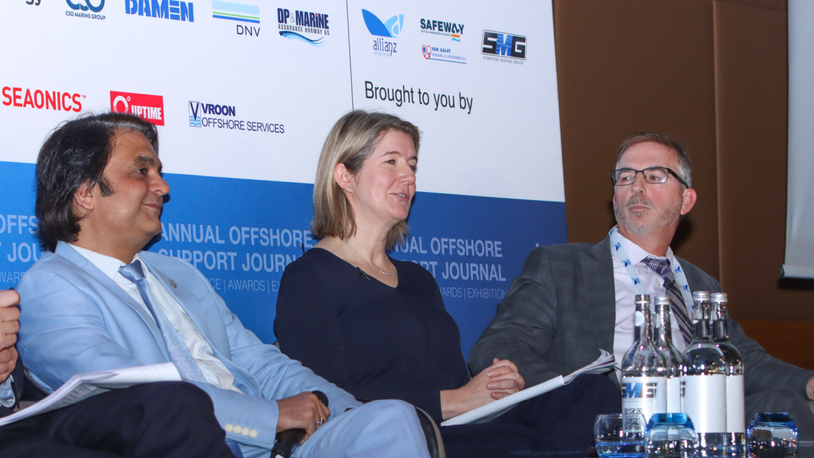
A diverse group of industry leaders shared views on the future of decarbonisation in the tanker sector during a panel discussion.
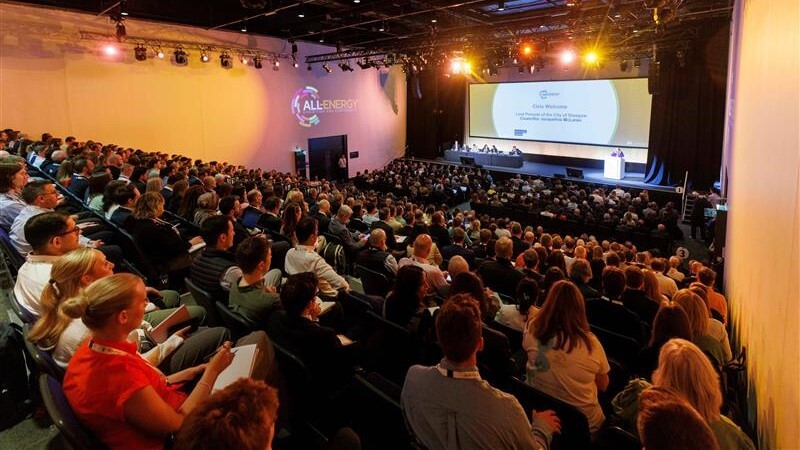
Panellists at Tanker Shipping & Trade 2024 highlighted hurdles in decarbonisation, from EU ETS compliance to fuel choices.
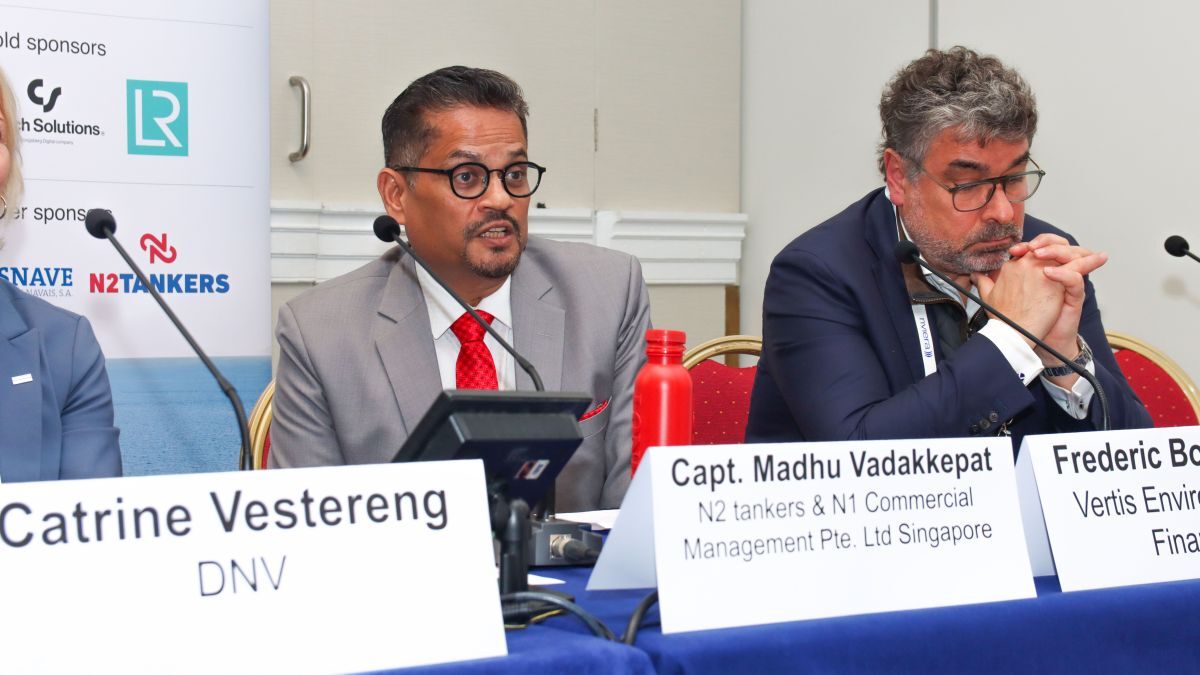
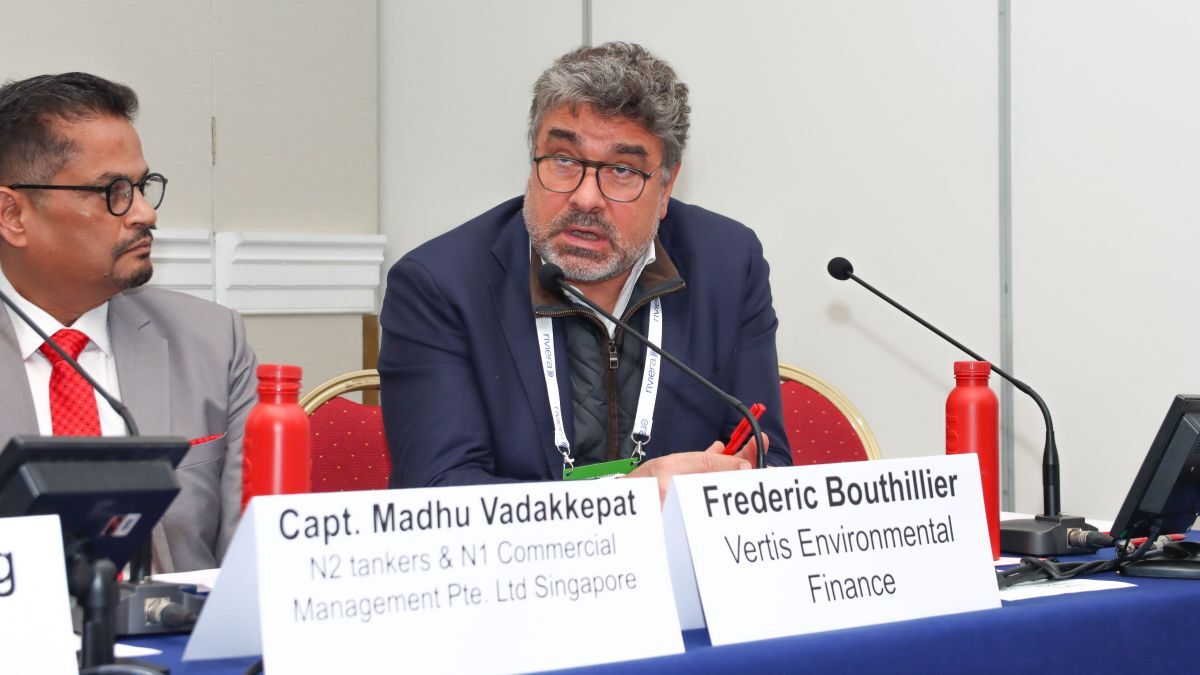
ABB vice president of marine & ports Tom Sand, DNV senior vice president & global business director for tankers Catrine Vestereng, N2 Tankers director & N1 Commercial Management director Captain Madhu Vadakkepat and Vertis Environmental Finance head of shipping Frederic Bouthillier noted that while the tanker industry is making strides in adopting alternative fuels, major challenges remain and new challenges are emerging.
The panel discussed the recent entry into the product tanker sector of VLCCs - a trend driven by changing market dynamics and the need for fleet flexibility.
Mr Sand said flexibility is particularly important when considering new technologies and alternative fuels, explaining that, while digital solutions and energy efficiency technologies, such as ABB’s power optimisation systems, are improving, the industry must remain adaptable to shifting regulations and fuel availability.
"Flexibility is key, both in fuel options and in the systems we develop to optimise energy use on board," Mr Sand said.
Ms Vestereng addressed the upcoming European Union Emissions Trading System (EU ETS) and its impact on the industry and noted EU ETS compliance could impose higher costs on tanker operators, particularly if carbon pricing rises sharply.
“Owners need to factor in these costs when ordering new vessels or retrofitting existing ones,” Ms Vestereng explained, stressing the regulatory burden could accelerate the need for dual-fuel vessels and greener technologies.
Capt Vadakkepat noted the financial risks mid-size tanker companies face when investing in decarbonisation technologies. He stressed while larger firms might have the resources to experiment with alternative fuels, smaller companies are more risk-averse, often opting to extend the life of their existing fleets rather than invest in new, green vessels.
"For many owners, keeping older vessels operational for longer is more economically feasible," he said.
Mr Bouthillier focused on the importance of financial mechanisms like pooling agreements and carbon credits. He stressed these tools can help smaller operators manage the costs of decarbonisation, especially in the early stages of green fuel adoption.
Mr Bouthillier pointed out the cost of carbon under the EU ETS could make carbon credits and emissions trading a necessary tool for operators to balance operational costs with compliance.
Overall, the panel agreed while the tanker industry is moving toward a greener future, the pace will depend on regulatory clarity, technological advancements and financial support.
The Tanker Shipping & Trade Conference 2024 was supported by DNV (Platinum Sponsor), Bureau Veritas, Coach Solutions, Lloyds Register (Gold Sponsors), ABB, Lisnave shipyard, N2 Tankers (Silver Sponsors) and supporting organisations INTERTANKO and MACN.
Related to this Story

Retrofit fund ties lease payments to performance
Events

Maritime Regulations Webinar Week
16 Dec 2025GMT - ONLINEFloating energy: successfully unlocking stranded gas using FLNGs and FSRUs
24 Feb 2026GMT - ONLINE
© 2024 Riviera Maritime Media Ltd.


