


Business Sectors
Business Sectors
Events
Contents
TECO 2030 declares bankruptcy
Stock exchange notice shows company says it "no longer has a realistic opportunity to raise sufficient capital to continue operations"


Alternative marine power and technology provider TECO 2030 has officially decided to file for bankruptcy citing an inability to raise funds.
The Norway-based developer of zero-emissions hydrogen fuel-cell technology for maritime and heavy industry said in a stock exchange filing "The board of directors of the Company has this evening decided to file for bankruptcy. The board decision is unanimous and is due to the fact there is no longer a realistic opportunity to raise sufficient capital to continue operations. The bankruptcy petition will be filed this evening."
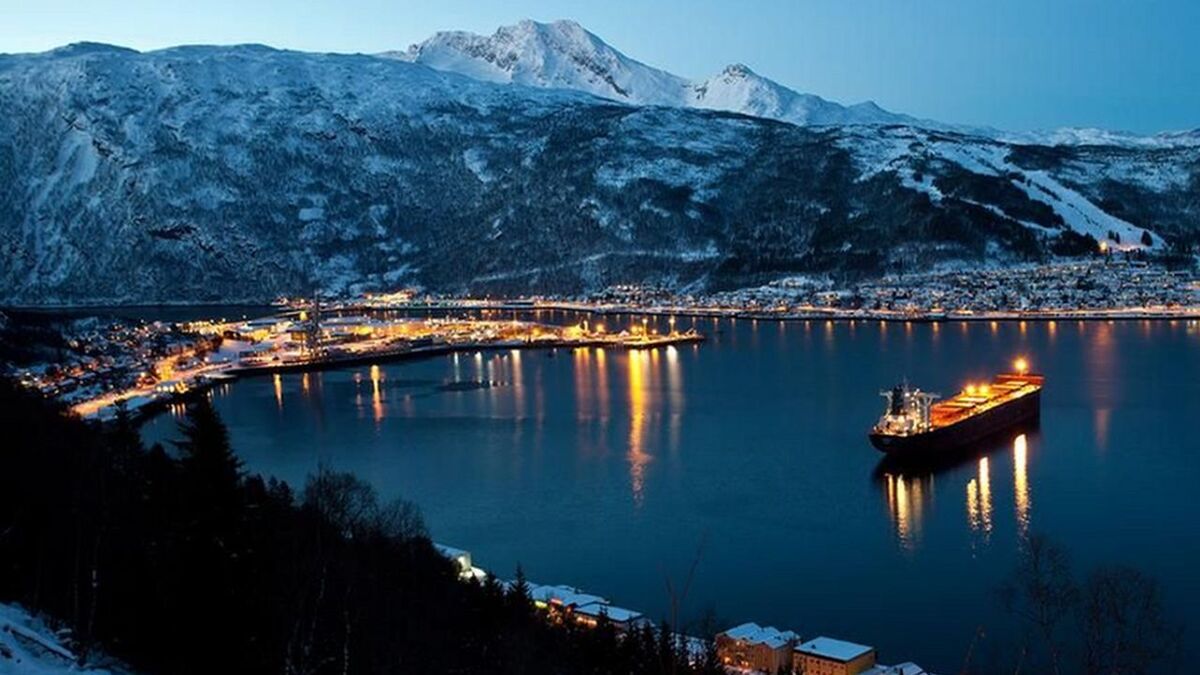
The filiing, on 12 December, comes about a month after a TECO 2030 subsidiary, TECO 2030 Innovation Center, wholly owned by the company, disclosed receipt of a bankruptcy petition from the Norwegian Tax Authority on 14 November.
"The potential bankruptcy of the Innovation Center could have significant repercussions for the company, particularly due to a parent company guarantee it has provided, which is capped at Nkr10M (US$900,000), covering rental payments under the Innovation Center’s property lease agreement in Narvik. A claim has already been made against the company by the beneficiary of this guarantee, prompting the company to engage in discussions to address the situation. Should negotiations fail to yield a satisfactory resolution with the guarantee beneficiary, the Company may face its own bankruptcy proceedings," the November TECO 2030 stock exchange filing said.
In September 2024, TECO 2030 announced it was making a "strategic shift" designed to "efficiently scale its offerings through licensing agreements" for its fuel-cell technology. At the time, the company cited "regulatory delays in Norway" and drew a distinction between the perceived growth of "opportunities in regions like the US, India and southeast Asia".
TECO 2030 set out plans to establish Norway’s first large-scale production of hydrogen-based fuel cells in Narvik, northern Norway, in March 2021.
At the time, TECO 2030 chief executive Tore Enger said, “We plan to establish a combined innovation centre and factory in Narvik. The plant will be able to produce fuel cells with a capacity of more than 1 GW per year, equivalent to several billion Norwegian krone of annual turnover.”
By converting hydrogen into electricity with water vapour and hot air as the only emissions, fuel cells enable ships to switch to alternative energy sources from fossil fuels to reduce greenhouse gas emissions.
The initiative in Narvik was part of the Norwegian government’s ambition to build a complete value chain for hydrogen as an energy carrier, a goal that Norway and other European countries have struggled to realise.
Riviera’s Maritime Decarbonisation Conference, Asia 2025 will be held in Singapore, 2-3 April 2025. Click here for more information on this industry-leading event.
Related to this Story
Events

Maritime Regulations Webinar Week
 16 Dec 2025
 GMT - ONLINE
Floating energy: successfully unlocking stranded gas using FLNGs and FSRUs
24 Feb 2026GMT - ONLINE
© 2026 Riviera Maritime Media Ltd.


